
How To Make Carrot Juice? The Complete Guide for Maximum Flavor and Yield
You bought a bag of carrots at the farmers market with every intention of juicing them, but life got busy. Now they’re sitting in the crisper drawer, and you’re wondering if it’s worth the effort. It is. Fresh carrot juice tastes nothing like the bottled stuff, and once you get the technique down, it takes less than ten minutes from counter to glass.
This guide walks you through the entire process: picking the right carrots, prepping them correctly, choosing between a centrifugal and masticating juicer, and even how to make carrot juice without a juicer if you haven’t invested in one yet. You’ll also learn how to fix common problems like foamy juice, low yield, and bitter flavor. By the end, you’ll know exactly how to make carrot juice that tastes like it came from a fancy juice bar.

Hamilton Beach
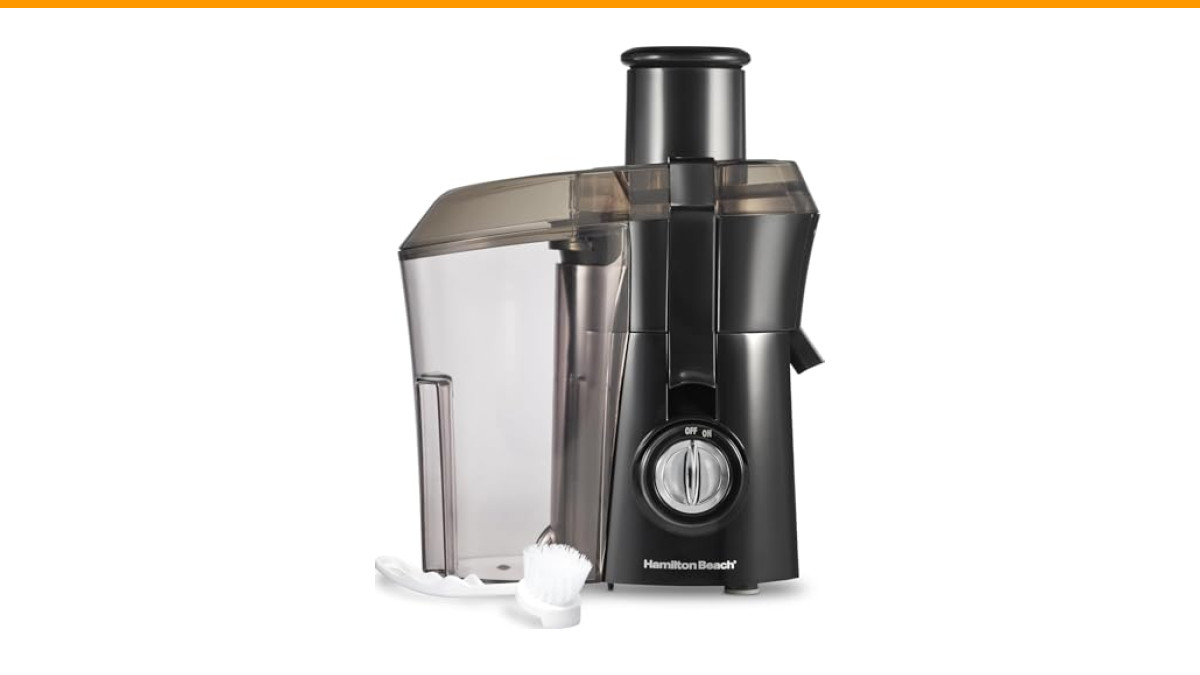
Hamilton Beach Centrifugal Juicer Machine With Big Mouth 3” Feed Chute | 800 Watt Motor Juices Whole Fruit And Vegetables | Easy to Clean BPA Free Dishwasher Safe Parts | Black
- AMERICA'S #1 JUICE EXTRACTOR BRAND: This durable juicer is backed by a 3-year limited warranty from Hamilton Beach, the #1 juice e…
- COMPARE AND CHOOSE WITH CONFIDENCE: Compare the competition to our extra-large 3” chute, 800 watts of power, 80 oz. pulp bin and 3…
- SAVE TIME AND EFFORT WITH EXTRA-LARGE 3" BIG MOUTH CHUTE: Since the centrifugal juicer chute fits a whole apple, a bunch of celery…
If you’re shopping for a juicer, the Hamilton Beach Centrifugal Juicer Machine is a solid workhorse. Its extra-large 3-inch feed chute fits whole carrots, so you skip the pre-cutting step entirely. That saves real time when you’re juicing a pound of carrots before work.
Choosing the Right Carrots for Juicing
Not all carrots are created equal when it comes to juicing. The variety, freshness, and even the season affect how your juice tastes and how much you get out of each pound.
Look for carrots that are firm, smooth, and bright orange. Avoid any with soft spots, cracks, or green tinges near the top — those are signs of age or poor storage. The greens should be attached and vibrant, not wilted. If the greens are already cut off, check the top of the carrot for any dark discoloration.
Baby carrots work in a pinch, but they’re often less flavorful and drier than full-size carrots. They also cost more per pound. For juicing, buy regular carrots in bulk. Organic carrots are worth it if you’re juicing frequently because you’re consuming the whole vegetable, skin and all.
Season matters too. Carrots harvested in late fall and winter have higher sugar content because the cold converts starches to sugars. That’s why carrot juice tastes sweeter in January than in July. If you’re juicing in summer, consider pairing carrots with an apple or a slice of pineapple to boost sweetness.
How to Make Carrot Juice With a Juicer
Using a centrifugal juicer like the Hamilton Beach model mentioned earlier is the fastest route. Here’s the step-by-step process that gives you the highest yield and least foam.
Step 1: Wash and Scrub
Rinse the carrots under cold running water. Use a vegetable brush to scrub off any dirt, especially if they’re organic and still have soil on them. You don’t need to peel them unless the skin is thick or bitter. Most of the nutrients and flavor live just under the skin, so leaving it on is better.
Step 2: Trim the Ends
Cut off the leafy tops and the pointed tip. The greens contain alkaloids that can make juice bitter, and the tip is often dried out. A quick slice on both ends is all you need.
Step 3: Cut to Fit the Chute
If your juicer has a 3-inch chute, you can feed whole carrots in. For smaller chutes, cut the carrots into 2-inch chunks. Cutting them into smaller pieces also helps the juicer extract more liquid, especially if you’re using a masticating juicer.
Step 4: Juice in Batches
Turn on the juicer and feed the carrots one at a time. Don’t overload the chute. Let the machine pull each piece through before adding the next. If you push too many at once, the motor strains and the yield drops.
Step 5: Stir and Serve
Carrot juice separates quickly — the pulp settles at the bottom and the liquid floats on top. Give it a stir before drinking. For a smoother texture, pour it through a fine mesh strainer to catch any remaining pulp.
One thing I learned the hard way: don’t juice carrots that are warm from sitting on the counter. Cold carrots straight from the fridge produce less foam and a cleaner taste. Pop them in the fridge for 30 minutes before juicing if you have time.
How to Make Carrot Juice Without a Juicer
No juicer? No problem. You can make carrot juice with a blender and a clean kitchen towel or a nut milk bag. The texture will be slightly thicker than juicer juice, but the flavor is just as good.
Blender Method
- Peel and chop 4-5 medium carrots into 1-inch pieces.
- Add them to a blender with 1/2 cup of water. The water helps the blades move and extracts the juice.
- Blend on high for 45-60 seconds until completely smooth.
- Pour the mixture through a nut milk bag or a clean, thin dish towel placed over a bowl.
- Twist the bag and squeeze firmly to extract as much liquid as possible.
You’ll get about 6-8 ounces of juice from 5 carrots, which is less than a juicer produces. The extra effort comes from the squeezing step, but it’s worth it when you’re craving fresh juice and don’t own a machine.
For a more detailed walkthrough, check out this guide on blender carrot juice. It covers the exact ratios and troubleshooting tips.
Carrot Juice Flavor Combinations and Storage
Plain carrot juice is delicious, but sometimes you want variety. Here are a few combos that work well with the natural sweetness of carrots:
- Carrot-Apple-Ginger: 3 carrots, 1 apple, and a 1-inch knob of ginger. The ginger adds a spicy kick that balances the sweetness.
- Carrot-Orange: 3 carrots and 1 peeled orange. The citrus brightens the flavor and adds vitamin C.
- Carrot-Beet: 3 carrots and 1 small beet. Earthy and slightly sweet, with a gorgeous deep red color.
- Carrot-Celery: 3 carrots and 2 celery stalks. A savory, refreshing option that’s lower in sugar.
Store any leftover juice in an airtight glass jar in the fridge. It will keep for up to 48 hours, but the flavor and nutrients degrade over time. Shake well before drinking because separation is normal.
If you want to make your carrot juice taste even better, check out these flavor improvement tips.
Comparison: Centrifugal vs. Masticating Juicers for Carrots
| Feature | Centrifugal Juicer | Masticating Juicer |
|---|---|---|
| Speed | Fast (10,000+ RPM) | Slow (80-100 RPM) |
| Yield from 1 lb carrots | 6-8 oz | 8-10 oz |
| Foam amount | Moderate | Minimal |
| Prep time | Minimal (whole carrots fit) | More (need to chop into small pieces) |
| Cleanup effort | Moderate (more parts) | Easier (fewer parts, but smaller) |
| Best for | Busy mornings, quick juice | Maximum nutrition, leafy greens |
| Price range | $50-$150 | $150-$400 |
Centrifugal juicers are more common and affordable, but they produce more foam and slightly lower yield. Masticating juicers extract more juice and preserve nutrients better because they don’t generate heat. If you’re juicing carrots daily, a masticating juicer is worth the investment. For occasional juicing, a centrifugal model is perfectly fine.
Common Carrot Juice Problems and Fixes
Why is my carrot juice foamy?
Foam happens when air gets mixed into the juice during spinning. Centrifugal juicers are the main culprits. Let the juice sit for a minute, then skim the foam off with a spoon. You can also add a drop of lemon juice, which helps break down the foam.
Why is my carrot juice bitter?
Bitterness usually comes from the green tops or from carrots that are past their prime. Always trim the greens completely. If the carrots have a white film on the skin, that’s a sign of dehydration — peel them before juicing.
Why is my yield so low?
Low yield often means the carrots are dry or the juicer blades are dull. Try soaking the carrots in cold water for 10 minutes before juicing to rehydrate them slightly. Also, make sure you’re pushing the carrots through slowly and steadily.
Can I drink carrot juice every day?
Yes, but moderation is key. Carrot juice is high in natural sugars and vitamin A. Drinking more than 8 ounces a day can lead to carotenemia, a harmless condition where your skin turns slightly orange. Stick to 4-8 ounces daily for most people.
How do I clean my juicer after making carrot juice?
Rinse the parts immediately after juicing to prevent pulp from drying on. Most centrifugal juicers have dishwasher-safe parts, but hand washing with warm soapy water is gentler. Use the cleaning brush that came with your juicer to scrub the mesh filter. If you don’t have a brush, an old toothbrush works.
What You Should Know Before You Start
- Always wash carrots thoroughly, even if you plan to peel them — dirt can harbor bacteria.
- You don’t need to peel carrots for juicing unless they’re waxed or have thick skin.
- Cold carrots produce less foam and a sweeter taste.
- Drink carrot juice within 48 hours for the best flavor and nutrient content.
- Pair carrots with a fat source like a handful of nuts or a spoonful of coconut oil to help absorb vitamin A.
- If you’re juicing without a juicer, use a fine mesh strainer or nut milk bag for a smooth texture.
- Clean your juicer immediately after use — dried carrot pulp is miserable to scrub off.
Now you’ve got everything you need to make carrot juice at home, whether you’re using a fancy masticating juicer or just a blender and a towel. Start with a simple batch, adjust the sweetness to your liking, and see how much better it tastes than anything from a bottle.