Is Beetroot Good For Uric Acid?
You eat clean most days. Then one night you have a burger with a side of roasted beets, and the next morning your big toe feels like it’s on fire. Gout runs in your family, so you start questioning everything you put in your mouth. Beetroot seems healthy — deep red, full of vitamins — but you’ve also heard it contains oxalates and maybe even purines. Is beetroot good for uric acid, or does it make things worse?
By the end of this article you’ll know exactly how beetroot affects uric acid levels, what the research says (and doesn’t say), and how to decide whether to keep beets in your diet. I’ll also compare beetroot to other common foods and supplements so you can make an informed choice, not a guess.

Eu Natural
Eu Natural Purge Uric Acid Flush with…
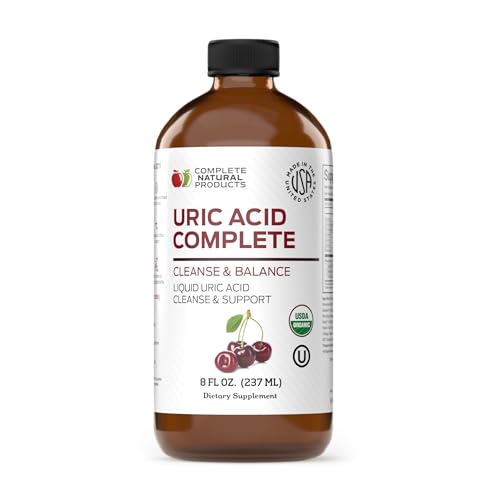
URIC ACID CLEANSE & SUPPORT: Designed to support the body’s natural uric acid cleanse while promoting healthy uric acid balance, joint comfort, flexibility, and everyday mobility.
See on AmazonIf you’re looking for extra support alongside dietary changes, a supplement like Eu Natural Purge Uric Acid Flush combines celery seed, tart cherry, and chanca piedra — three ingredients with documented effects on uric acid processing and joint comfort. It’s designed to help your body handle uric acid naturally, so you don’t have to fear every meal. You can check the current price on Amazon.
What Uric Acid Actually Does in Your Body
Uric acid is a waste product formed when your body breaks down purines. Purines are natural compounds found in many foods (meat, seafood, organ meats) and also made inside your cells. Normally, uric acid dissolves in the blood, passes through the kidneys, and leaves via urine. That process works smoothly for most people.
Problems start when uric acid builds up faster than it can be cleared. Normal lab ranges are roughly 3.4–7.0 mg/dL for men and 2.4–6.0 mg/dL for women. Once levels push above 7.0 mg/dL, the blood can’t hold all the uric acid in solution. Tiny needle-shaped crystals form, often landing in joints like the big toe, ankle, or knee. That’s the classic gout attack.
Your diet directly influences uric acid levels — some foods raise it, a few lower it, and many are neutral. Beetroot falls into a gray zone that deserves a closer look.
Beetroot’s Nutrient Profile — The Good and the Tricky
Beetroot is packed with nitrates (which convert to nitric oxide and help blood flow), betalains (antioxidants that give it the red color), folate, potassium, and fiber. Those are all positives. But beetroot also contains moderate amounts of oxalates, and it has a mild purine content.
Oxalates get a lot of attention because they can combine with calcium to form kidney stones — but that’s a different issue from uric acid. For people prone to calcium-oxalate stones, high-oxalate foods like beets, spinach, and rhubarb can be a concern. For uric acid, the more relevant question is purine load.
Let me give you a specific number: 100 grams of raw beetroot contains roughly 12–15 mg of purines. For comparison, 100 grams of chicken breast has about 150–200 mg, and sardines can hit 300 mg. So beetroot is low-purine by any standard. The purine content alone won’t spike your uric acid.
But there’s another angle: beetroot’s nitrate content. Nitrates relax blood vessels, improve circulation, and may increase the kidneys’ ability to filter waste, including uric acid. A few small human studies have looked at beetroot juice and uric acid levels, and the results are mixed. One trial with 250 mL of beetroot juice daily for two weeks showed a small drop in blood pressure but no significant change in serum uric acid. Another study in athletes found beetroot juice slightly lowered uric acid after exercise, possibly through improved renal blood flow. The evidence is not strong enough to say “beetroot cures gout,” but it’s also not evidence that beetroot is harmful.
The real risk may come from how you prepare beets. Beetroot juice or powder concentrates the oxalates and nitrates, and some people drink large amounts thinking “more is better.” That’s where you can run into trouble — not with uric acid per se, but with oxalate overload that stresses the kidneys. If your kidneys are already struggling to clear uric acid, dumping in extra oxalates isn’t a smart move.
Beetroot Versus Common Uric Acid Strategies
To help you compare options at a glance, here’s a table of foods and supplements commonly discussed for uric acid management:
| Food / Supplement | Key Compound | Effect on Uric Acid | Considerations |
|---|---|---|---|
| Beetroot (fresh) | Nitrates, betalains | Possibly neutral to mildly helpful; improves kidney blood flow | Low purine; beware oxalates if kidney stones are a concern |
| Tart cherry | Anthocyanins | Moderate reduction (studies show 10–15% lower uric acid in some people) | Well-researched; works best as juice or extract, not dried with added sugar |
| Celery seed | Apigenin, luteolin | Mild diuretic effect, may help excretion | Often used in supplements; can cause skin sensitivity in high doses |
| Chanca piedra | Alkaloids, flavonoids | Inhibits xanthine oxidase (same mechanism as allopurinol, but weaker) | Traditional use for kidney stones; some drug interaction risk |
| High-purine meats | Purines (adenine, guanine) | Strong increase (can spike uric acid 10–20% within hours) | Limit red meat, organ meats, and shellfish during flare-ups |
| Low-fat dairy | Casein, orotic acid | Moderate reduction (promotes uric acid excretion via urine) | Consistent evidence from large cohorts; choose plain yogurt or milk |
Notice where beetroot sits: it’s not a proven uric acid reducer like cherries or dairy, but it’s also not a trigger. Most people can include moderate amounts of beetroot without worrying about gout attacks. The exception would be someone with both gout and advanced chronic kidney disease — in that case, any dietary change should be discussed with a nephrologist.
Practical Tips for Eating Beetroot With High Uric Acid
So you don’t need to ban beets from your kitchen. Here’s how to include them sensibly:
- Stick to one medium beet (about 100–150 grams) per day if you eat them roasted or raw. That’s a reasonable serving that won’t flood your system with oxalates.
- Avoid beetroot juice in large quantities. A small 100 mL shot is fine, but downing 500 mL of concentrated beet juice every day can backfire on your kidneys over time.
- Pair beets with a calcium-rich food (like yogurt or cheese) to bind oxalates in the gut and reduce absorption. This matters if you’ve had kidney stones.
- Cook beets rather than eating them raw. Cooking reduces oxalate content slightly and makes the nitrates more bioavailable.
- If you use a juicer or a food processor to prepare beets, cleaning up quickly prevents staining. A good food processor for slicing makes uniform beet slices for roasting, and a small food processor for chopping works well for dicing beets into salads.
5 Real Questions People Ask About Beetroot and Uric Acid
Does beetroot increase uric acid levels?
Not in any meaningful way for most people. The purine content is very low compared to meat and seafood. A few case reports exist of people drinking massive amounts of beetroot juice and seeing a mild uric acid bump, but those are outliers. For a standard serving, you can expect no significant rise.
Can beetroot cause a gout flare?
Unlikely by itself. However, if you’re already borderline and you down a quart of beet juice while also eating other high-purine foods, the combined load could tip you over. But beetroot alone is almost never the culprit. Most gout attacks are triggered by alcohol, red meat, or sudden dehydration.
Is beetroot juice good for gout?
The evidence is thin. The nitrate content might help kidney function, and the antioxidants reduce inflammation generally, but no clinical trial has tested beetroot juice specifically against gout. Tart cherry juice has much stronger backing. If you like beet juice, drink it in moderation — but don’t rely on it to treat gout.
How much beetroot should I eat if I have high uric acid?
A serving of 100–150 grams of cooked or raw beetroot per day is safe. That’s about one medium beet. If you buy beetroot powder, stick to the label recommendation (typically 1–2 teaspoons). Exceeding that consistently might raise oxalate intake more than you want.
Should people with gout avoid beetroot completely?
No. Unless you have a history of calcium-oxalate kidney stones, there’s no reason to avoid beetroot. Many doctors recommend a plant-forward diet for gout management, and beets are a nutritious vegetable. Just don’t treat them as a cure or a superfood for uric acid — they’re neutral at best and harmless in moderation.
What to Do With All This Information
- Beetroot is low in purines and unlikely to raise uric acid. Don’t fear it.
- Cooking, pairing with calcium, and sticking to one serving a day keeps oxalate risk low.
- If your uric acid is already well-controlled, beetroot can be part of a normal diet. If it’s high, focus on the proven strategies: cherries, dairy, hydration, and limiting purine-heavy meats.
- Consider a targeted supplement like Eu Natural Purge Uric Acid Flush if you want broader support. Read the label and check with your doctor before adding anything new.
- Monitor your own response. Everyone’s kidney function and gut bacteria differ. If you notice joint pain after eating beets, test it again after a week’s break — that’s real evidence for your body.
- Keep your overall diet varied. No single food makes or breaks your uric acid balance. It’s the pattern that matters.