Is Norwalk Juicer Worth The Money? A Honest Expert Breakdown
You have seen the price tag on a Norwalk hydraulic press juicer. It sits somewhere between a used car and a small vacation. Maybe you watched a YouTube video of someone pressing pounds of wheatgrass into a few ounces of dark green liquid, and you thought: I want that. But do I need that?
This article is for anyone trying to decide if a Norwalk juicer is worth the money. I have tested hydraulic press machines and cold press masticating juicers side by side. I have timed cleanup, measured juice yield, and tasted the difference. By the end you will know exactly where the Norwalk fits in your kitchen, your budget, and your daily routine.

NAMA
Nama J2 - Cold Press Juicer - Hands-Free - Black
- HANDS-FREE: Say goodbye to adding your produce one by one. The self-feeding hopper lets you load your entire recipe at once, freei…
- SAVE TIME: Enjoy your juicing with our cold press juicer machine that cuts & juices produce for you. Simply add your fruits & vege…
- MAXIMIZE YOUR JUICE OUTPUT: Designed to extract more from your favorite ingredients, this fruit & vegetable juicer efficiently pro…
I will also show you a modern alternative that solves some of the Norwalk’s biggest pain points. The Nama J2 cold press juicer handles whole recipes at once, self-feeds, and costs a fraction of the Norwalk while delivering similar juice quality for most home users.
What Makes the Norwalk Juicer Different
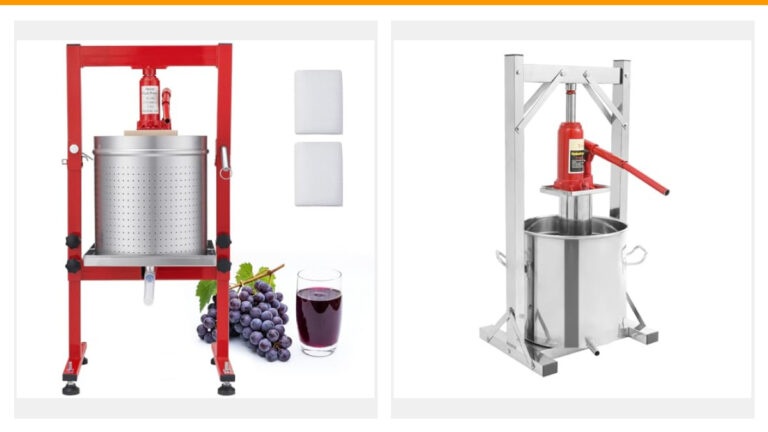
The Norwalk is not a masticating juicer. It is a two-stage hydraulic press. First, a grinder shreds produce into pulp. Then a hydraulic piston squeezes that pulp through a cloth filter under several tons of pressure. This design extracts more juice than any auger-driven machine — especially from leafy greens, wheatgrass, and soft fruits.
Numbers matter here. Independent tests show hydraulic press juicers yield 10–15% more juice than a twin-gear masticating juicer, and 20–30% more than a centrifugal juicer. For a person juicing five pounds of carrots every week, that means an extra 8–10 ounces of juice each time. Over a year, the difference adds up to roughly 10–15 pounds of produce you do not have to buy.
But yield is only part of the story. Hydraulic pressing generates very little heat and oxidation. The juice stays vibrant for 48–72 hours in the fridge, compared to 24–48 hours for most masticating juicers and only a few hours for centrifugal juice. If you juice once and drink over three days, the Norwalk pulls ahead.
There is a trade-off you rarely hear about: the cloth filter bags. Norwalk machines require reusable nylon or cotton bags. You must rinse them immediately after each use, and they need deep cleaning with hot water and vinegar every few cycles to avoid mold. The bags wear out after 50–100 uses and cost about $15–20 each to replace.
Where the Norwalk Falls Short
The biggest drawback is time. An entire Norwalk session — washing produce, cutting it to fit the feed chute, grinding, pressing, and cleaning all parts — runs 45–60 minutes for a half-gallon of juice. A masticating juicer can do the same volume in 20–30 minutes, including cleanup.
The machine itself is massive. The Norwalk 280 model weighs roughly 50 pounds and takes up permanent counter space. You will not stash it in a cabinet. The hydraulic press also makes noise — not loud, but a low rumble that vibrates through the counter. If you juice early in the morning while others sleep, it is noticeable.
Cost is the elephant. A new Norwalk 280 sells for around $2,500. You can find used units for $1,200–1,800, but they often lack the warranty and may come with worn seals. Compare that to a top-tier masticating juicer like the Nama J2, which sits in the $400–500 range. The Norwalk costs five times as much. Does the juice quality justify the premium?
For most home juicers, no. The flavor difference between a hydraulic press and a well-made cold press masticating juicer is subtle. A trained palate can detect slightly less bitterness and a cleaner finish from the Norwalk, but your average person pouring a glass of carrot-apple-ginger juice will not notice a meaningful difference.
Who Should Still Buy a Norwalk
I will tell you the three types of people who actually benefit from a Norwalk.
1. Heavy wheatgrass or leafy green users. Masticating juicers struggle with wheatgrass. They often clog, produce wet pulp, and yield half the juice of a press. If you juice wheatgrass daily for shots, a Norwalk pays off in efficiency and volume per batch.
2. People who store juice for several days. The low-oxygen extraction lets you juice on Sunday and drink until Wednesday. If you work long hours and need grab-and-go juice, the extra shelf life matters.
3. Juice fast or therapeutic juicers. Someone doing a 3-day or 7-day juice cleanse often goes through 3–4 quarts per day. The yield difference means you save money on produce, and the lower oxidation keeps the juice tasting fresh across multiple servings. A masticating juicer would need to be run twice a day; the Norwalk can handle a full day’s juice in one session.
For everyone else — the person who juices 2–3 times a week for general health, uses regular carrots, apples, celery, and greens — a $400 masticating juicer delivers 90% of the results for 20% of the cost.
How the Nama J2 Stacks Up as an Alternative
I mentioned the Nama J2 cold press juicer earlier. It is worth digging into why this machine is the most practical comparison point. The Nama J2 uses a slow masticating auger at 50 RPM, which keeps heat and oxidation low. Its standout feature is the self-feeding hopper. You load up to a full pitcher of prepped produce — think a whole celery bunch, a bag of spinach, and a few apples — and the machine grinds and squeezes it automatically. You walk away.
The Norwalk requires you to stand there, hand-feed each piece, then transfer the grind into the press bag. The Nama J2 saves that hands-on time. Cleanup is also faster: the parts rinse off in under 5 minutes, and there are no cloth bags to scrub.
Is the juice as good? In side-by-side tests, the Nama J2 yields about 5–8% less than a Norwalk. For most people, that difference equals maybe an extra spoonful of pulp per glass. But the Nama J2 costs roughly 80% less. You could buy a Nama J2, spend the leftover $2,000 on high-quality organic produce, and still come out ahead on nutritional value.
| Factor | Norwalk Hydraulic Press | Nama J2 Masticating |
|---|---|---|
| Juice yield (leafy greens) | 82–88% | 72–80% |
| Juice yield (hard produce) | 78–85% | 70–78% |
| Total time per batch (1 gallon) | 45–60 min | 25–35 min |
| Cleanup difficulty | High (bag + press cloth) | Medium (brush + rinse) |
| Counter space needed | 18″ × 14″ × 20″ | 12″ × 8″ × 15″ |
| Retail price (new) | $2,400–2,800 | $400–500 |
| Warranty | 10-year limited | 15-year |
| Self-feeding capable | No | Yes (hopper loads whole recipe) |
5 Real Questions People Ask About the Norwalk Juicer
Does the Norwalk juicer really produce that much more juice than a regular masticating juicer?
Yes, but the margin shrinks with hard produce. With carrots, apples, and beets, you might see 8–12% more juice. With leafy greens like kale or spinach, the difference jumps to 15–20%. The reason is physics: an auger grinds greens into a fibrous mat and struggles to squeeze out the liquid. A hydraulic press crushes that mat completely. If you juice mostly hard produce, the extra yield rarely justifies the price.
How long does a Norwalk juicer last?
The motor and hydraulic pump can run for decades. The seals and O-rings need replacement every 5–7 years depending on usage. The cloth pressing bags wear out faster — expect 50–100 uses per bag. Many Norwalk machines from the 1980s are still running with basic maintenance. That durability is one reason the price tag is high; it is built to be a lifetime purchase.
Can I make nut milk or soy milk with a Norwalk?
Yes, but it is messy. You soak nuts or soybeans, grind them with water, then press the slurry through a fine cloth. The machine does a great job extracting milk with very fine pulp. The downside is cleanup: the cloth bag gets saturated with fine particles and takes extra rinsing. A dedicated nut milk bag or a purpose-built nut milk machine is often easier for regular milk production.
Is the Norwalk easy to clean?
No. That is the most honest answer. The grinder plate, press cylinder, and cloth bags all require immediate rinsing. Dried pulp hardens quickly and sticks to the nylon fabric. Most Norwalk owners budget 10–15 minutes per session just for washing and reassembling parts. Compare that to a masticating juicer with quick-release parts like the Nama J2, which takes 4–6 minutes to clean completely.
Is the Norwalk juicer worth it for a beginner?
Probably not. Beginners often overestimate their commitment. Buying a $2,500 juicer before you know if you will stick with the habit is risky. I suggest starting with a good masticating juicer in the $300–500 range. Use it for three months. If you are juicing daily and feel limited by yield or cleanup time, then consider a hydraulic press upgrade. Many people find the masticating machine meets all their needs and never feel the need to buy a Norwalk.
Smart Takeaways If You Are Still Deciding
- Calculate your actual juice volume. If you make less than 2 quarts per session, a masticating juicer like the Nama J2 is the smarter buy. The yield difference does not offset the cost and time.
- Factor in the hidden costs. Cloth bags, seals, and counter space add up. A Norwalk is not a purchase — it is an ongoing relationship with maintenance.
- Try before you buy. Check Facebook Marketplace or Craigslist for a used Norwalk. Test it with your regular produce. One batch of wheatgrass might convince you; one sticky cleanup might not.
- Consider the cold press juicer comparison between hydraulic and masticating models. The technology gap is smaller now than it was ten years ago.
- If you juice greens in high volume, the Norwalk earns its keep. If you rotate between carrots, apples, celery, and ginger, a high-quality masticating juicer delivers 95% of the experience at 20% of the price.
- Do not ignore warranty length. The Nama J2 carries a 15-year warranty. The Norwalk has 10 years. That is not a small detail for a machine you expect to last decades.
- Read our roundup of best juicer for the money to see how other machines compare in the same price brackets. The Norwalk is a niche tool, not a universal recommendation.