
Which Grape Juice Is The Healthiest?
You stand in the juice aisle staring at a wall of purple and green bottles. Some say ‘100% juice.’ Others boast ‘no added sugar.’ A few scream ‘organic.’ Your kid wants grape juice, but you also want something that won’t spike their blood sugar with corn syrup. Which bottle do you grab?
This article walks you through exactly what separates a healthy grape juice from a glorified sugar drink. You will learn the role of grape variety (Concord versus others), the difference between ‘from concentrate’ and ‘not from concentrate,’ and how to read a label like someone who actually cares about nutrients. By the end, you’ll know which bottle to pick without second-guessing.
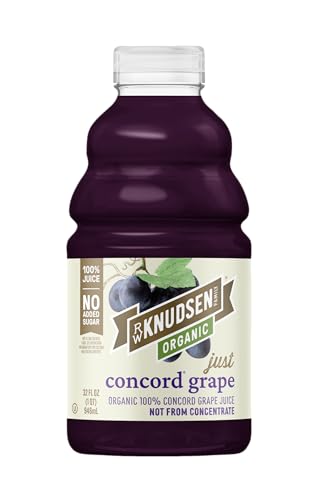
R.W. Knudsen
R.W. Knudsen Organic Just Concord Grape Juice,…
100% Juice Not from Concentrate
See on AmazonOne option that hits most of the right notes is R.W. Knudsen Organic Just Concord Grape Juice. It is 100% juice, not from concentrate, USDA-certified organic, and has no added sugar. An 8-ounce serving counts as a full serving of fruit. Worth checking the current price on Amazon — it is often a solid choice for anyone who wants juice without the junk.
What Actually Makes a Grape Juice Healthy?
Most people think ‘grape juice is healthy because grapes are fruit.’ That is true only if the juice is close to what you would get by crushing whole grapes yourself. The moment you add sugar, strip out pulp, or concentrate the liquid under heat, the picture changes.
Three things matter more than anything else:
- Added sugar versus natural sugar. Whole grapes already contain about 15 grams of sugar per cup. A healthy juice does not add any extra. The Nutrition Facts panel shows ‘Added Sugars’ — look for 0 grams.
- Processing method. ‘Not from concentrate’ means the juice was squeezed, pasteurized, and bottled. ‘From concentrate’ means water was evaporated, then re-added later. That extra heat step can reduce heat-sensitive antioxidants like resveratrol and vitamin C.
- Grape variety. Concord grapes (dark purple) pack far more anthocyanins and polyphenols than green or red table grapes. The darker the juice, the more antioxidant punch you get — generally.
Organic certification matters too, but mostly for avoiding pesticide residues. The nutrient differences between organic and conventional are small, but if you want to minimize synthetic chemicals, choose organic.
Why Concord Grapes Deserve the Hype
Concord grapes are not the grapes you buy at the supermarket for snacking. They are smaller, seedier, and have a thicker skin. That skin is where most of the polyphenols live — especially resveratrol, quercetin, and anthocyanins.
Research shows Concord grape juice contains significantly higher antioxidant capacity than white or green grape juice. One 2026 study found that Concord juice improved blood vessel function in people with coronary artery disease. Another older study linked regular Concord juice consumption with better memory and cognitive function in older adults.
Does that mean you must buy Concord? If your goal is maximum antioxidants per ounce, yes. Red grape juice (from typical red table grapes) has some polyphenols but less than Concord. White grape juice is low in anthocyanins and close to sugar water with a bit of flavor. The healthiest grape juice is almost always a dark purple one made from Concord grapes.
Now you might be wondering: what about the difference between ‘not from concentrate’ and ‘from concentrate’? Does it really change the nutrient profile that much?
Not From Concentrate vs. From Concentrate — The Real Difference
Juice ‘from concentrate’ starts by evaporating most of the water from the squeezed juice, creating a thick syrup. That syrup is easier and cheaper to ship. Later, the manufacturer adds back water to reconstitute the juice.
The problem: the evaporation process uses heat. Heat degrades vitamin C and some of the more delicate polyphenols. The final product may also contain additives like natural flavors or ascorbic acid to restore a fresh taste. ‘Not from concentrate’ is pasteurized once (necessary for safety) but never dehydrated. It tends to taste closer to fresh-squeezed and retains more of the heat-sensitive nutrients.
There is a middle ground: cold-pressed or HPP (high-pressure processed) juices that skip heat entirely. Those are rare in the grape juice world and expensive. For most people, the choice between not from concentrate and from concentrate is a trade-off of price versus quality. Not from concentrate costs more but gives you a cleaner product.
One more nuance: pasteurization itself destroys some nutrients regardless of concentrate status. No bottled juice is raw. That is fine — the benefits of shelf stability and safety outweigh the small nutrient loss. But it does mean the freshest option is always to make your own juice at home.
Comparison Table: Common Grape Juice Types
| Type | Added Sugar? | Processing | Relative Antioxidants | Organic Options Available? | Best For |
|---|---|---|---|---|---|
| 100% Concord, not from concentrate, organic | No | Minimal (pasteurized) | High | Yes | Maximum health benefit per serving |
| 100% red grape, from concentrate | No | Heat evaporation, reconstituted | Moderate | Sometimes | Budget-friendly with no added sugar |
| White grape juice (any source) | Often yes | Variable | Low | Rare | Taste preference (low antioxidant value) |
| Grape juice blend (contains apple or pear juice) | Often yes | Variable | Low to moderate | Rare | Milder flavor, but less grape benefit |
The takeaway from the table is simple: look for a dark purple 100% grape juice with no added sugar and the words ‘not from concentrate’ on the label. If it also carries an organic seal, even better.
Frequently Asked Questions
Is grape juice as healthy as eating whole grapes?
No. Whole grapes provide fiber, which slows sugar absorption and feeds gut bacteria. Juice strips out nearly all fiber. You get the vitamins and antioxidants, but the sugar hits your bloodstream faster. If you have to choose, eating grapes is better. But juice is still fine in moderation — think 4 to 6 ounces, not a full glass.
Does the color of grape juice matter?
Yes. Dark purple or red juice from Concord or similar grapes has much higher levels of anthocyanins — the pigments that give grapes their color and provide antioxidant benefits. White or green grape juice has almost none. The darker the juice, the healthier it tends to be. Always pick purple over white.
Is organic grape juice worth the extra cost?
For a product you drink regularly, yes. Grapes are on the ‘Dirty Dozen’ list — they often carry pesticide residues even after washing. Organic certification reduces that risk. Whether you need organic for a once-a-week treat is debatable. If you drink grape juice daily, spend the extra dollar or two.
Can grape juice help lower blood pressure?
Some research suggests that polyphenols in Concord grape juice can improve endothelial function and slightly lower blood pressure. The effect is modest — think 2–3 mmHg systolic. It is not a replacement for medication or a low-sodium diet, but it can be a helpful addition. Check with your doctor first if you have kidney issues or diabetes because of the natural sugar load.
Should I drink grape juice every day?
It depends on your overall diet and activity level. Grape juice is still sugar — about 35–40 grams per 8-ounce glass. The American Heart Association recommends no more than 36 grams of added sugar per day for men, 25 for women. If your juice has zero added sugar, you can fit a small glass into that limit. But do not replace water or unsweetened tea with grape juice. A few times per week is plenty for most people.
What to Remember When Choosing Grape Juice
- Pick 100% juice — no blends, no ‘juice cocktail,’ no added sugar. Check the ingredient list. If you see sugar, high fructose corn syrup, or fruit juice concentrate from apples or pears, put it back.
- Prefer dark purple juice from Concord grapes. Lighter colors mean fewer antioxidants.
- ‘Not from concentrate’ will almost always be closer to the real thing than ‘from concentrate.’ The difference is small but consistent.
- Organic is worth it if you drink grape juice regularly. Otherwise, conventional is still a good choice as long as it meets the other criteria.
- Do not drink it like water. A 4–6 ounce serving gives you the benefits without overloading on sugar. Save the full 8-ounce glass for special occasions.
- If you have a juicer at home, you can make your own Concord grape juice during harvest season. The taste is incomparable — but you will need to strain the seeds. A centrifugal juicer like the Breville Juice Fountain works well for grapes.
- When in doubt, read the label backwards: look at the ingredient list first, then the added sugar line on the Nutrition Facts. If both are clean, it is a healthy choice.
