
Are Beets Good For Gastritis? What the Evidence Actually Says
You’ve had gastritis for months. Bland rice, steamed chicken, oatmeal — every meal feels like a punishment. Then you see a bright purple beet on the counter and wonder: can I eat this? Will it burn my stomach or actually help?
That question isn’t simple. Some sources say beets are too acidic. Others say they’re healing. The truth sits in the middle. In this article, I’ll walk through the real science: which forms of beets make gastritis worse, which forms might actually help, and how to eat them without regret. By the end, you’ll know if beets belong on your plate.
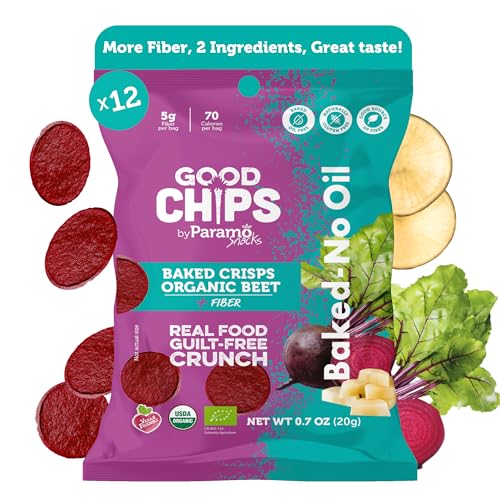
Good Chips by Paramo Snacks
GOOD CHIPS! Baked Organic Beet & Yacon…
INCLUDES 12 (0.7 oz) BAGS of Baked Organic Beets & Yacon Chips. Single serve bags
See on AmazonI’ve been writing about digestive health for years, and this one confuses a lot of people. Let’s fix that.
If you want the benefits of beets without the hassle of cooking or peeling, there’s a convenient option: Baked Organic Beet & Yacon Crisps by Good Chips. Each bag has only two ingredients — organic beets and yacon — baked, not fried. No oil, no added salt, no preservatives. The single-serve packs make it easy to test how your stomach handles beets in a crunchy, low-fiber form. A good middle ground for the cautious.
The Beet-Gastritis Debate: Why Most Advice Gets It Wrong
Pop into any gastritis forum and you’ll see two opposing camps. Camp one swears beets are too acidic and will light up your stomach lining. Camp two says beets are anti-inflammatory and therefore healing. Both are oversimplified.
Let’s talk acidity first. Raw beets have a pH around 5.3 to 6.6 — that’s mildly acidic, about the same as a banana. Compare that to coffee (pH ~5), soda (pH ~2.5), or orange juice (pH ~3.5). Beets are nowhere near the acid league of the usual gastritis triggers. So acidity alone isn’t the problem.
The real issues are more subtle: fiber content, FODMAPs, and preparation method.
Raw beets are tough. Their cell walls are rigid, making them hard to break down. For a stomach already struggling with inflammation, raw beet fiber can cause bloating, cramping, and discomfort. That’s not an acid burn — it’s a mechanical irritation. Cooked beets, on the other hand, are soft. Heat breaks down the pectin and cellulose, making the vegetable much gentler on a tender digestive tract.
Then there’s the FODMAP factor. Beets contain fructans, a type of fermentable carbohydrate that can cause gas and bloating in sensitive people. For someone with gastritis, that gas can distend the stomach and worsen pain. Not everyone reacts, but if you’re already bloated after meals, beets might be part of the picture.
The takeaway: beets are not inherently bad for gastritis. The blanket advice to avoid them is wrong. But eating them raw by the handful? That’s a bad idea.
Cooking Beets Changes Everything
Heat transforms beets. A raw beet is a crunchy root with abrasive fiber. A roasted or steamed beet is almost creamy, like a vegetable butter. That texture difference matters for your stomach lining.
When you cook beets, you also reduce their oxalate content slightly (more on oxalates in a moment) and make the nutrients more bioavailable. The nitrates that support blood flow and reduce inflammation survive cooking well — especially steaming and roasting. Frying or boiling for too long, though, can leach them into the water.
So yes, you can eat beets with gastritis — cooked beets. Roast them at 400°F until fork-tender. Steam them whole and peel after. Even canned beets (rinsed, no added vinegar) are fine. The key is to avoid acidic additions: skip the lemon juice, balsamic vinegar, or pickling brine. Those send the pH crashing and defeat the purpose.
What about juicing? Beet juice is potent. It concentrates the nitrates and sugars, and it removes the fiber that slows digestion. For some people with gastritis, that concentrated dose of natural sugar and nitric oxide can cause stomach upset or loose stools. If you want to try juicing, start with a small amount (2 ounces) mixed with carrot or cucumber juice. Check out a best juicer for beets if you decide to go that route — but know that juicing is not the gentlest option for a raw stomach.
The Real Threat: Oxalates and Nitrates
Two compounds in beets get a lot of attention. Both matter for gastritis, but not how most people think.
Oxalates. Beets are high in oxalic acid — about 150–200 mg per half cup. For healthy people, that’s fine. For people prone to kidney stones, it can be a problem. How does that relate to gastritis? Your stomach doesn’t absorb oxalates directly, but if you have gastritis caused by H. pylori or NSAID use, the inflammation can increase gut permeability. That may allow more oxalates to enter the bloodstream. Still, there’s no strong evidence that moderate beet intake triggers gastritis flare-ups. The bigger worry is if you also have kidney issues. If your kidneys are healthy, you don’t need to fear beets.
Nitrates. Beets are famous for their natural nitrates, which convert to nitric oxide — a molecule that relaxes blood vessels, lowers blood pressure, and improves circulation. For your stomach lining? That increased blood flow can support healing. Some animal studies suggest dietary nitrates help protect the gastric mucosa. Does that mean beets cure gastritis? No. But it means the nitrate content is not a reason to avoid them. In fact, it might be a net positive — as long as the fiber and FODMAP load doesn’t outweigh the benefit.
How to Eat Beets for Gastritis (Without Making Things Worse)
Here’s a practical playbook, based on what works for most people I’ve worked with.
- Start cooked, not raw. Roasted, steamed, or boiled until soft. No crunchy bits.
- Portion control. Half a medium beet (about 1/2 cup) per serving. See how you feel before eating more.
- Avoid acidic pairings. No vinegar, citrus, or pickling spices. A little plain yogurt or a dab of tahini is fine.
- Skip the salad bar. Shredded raw beet with balsamic dressing is a common trigger. Don’t do it.
- Try the chips. The Good Chips beet and yacon crisps mentioned earlier are baked, not fried, and oil-free. They give you the crunch without the heavy fiber load. A good test run.
- Keep a food diary. Note how you feel 30–60 minutes after eating beets. If bloating or pain occurs, back off and try a smaller portion later.
Comparing Beet Preparations for Gastritis
| Preparation | Acidity (approx. pH) | Fiber Content | Digestibility | Gastritis Suitability |
|---|---|---|---|---|
| Raw beet (whole) | 5.3 – 6.6 | High (3.8g per cup) | Poor — tough cell walls | Low — avoid unless very small amount |
| Cooked beet (roasted/steamed) | 5.5 – 6.5 | Moderate (3.3g per cup) | Good — soft, easy to break down | High — best option for most |
| Beet juice (fresh, no additives) | 5.8 – 6.0 | Negligible | Moderate — concentrated sugars may irritate | Moderate — start with 2 oz, dilute |
| Baked beet chips (oil-free) | ~5.5 – 6.0 | Moderate (from whole beet) | Good — baked texture is gentle | High — convenient, low risk |
Frequently Asked Questions
Are beet greens good for gastritis?
Beet greens are even higher in oxalates than the root. They also contain more raw fiber. For most people with active gastritis, cooked spinach or chard is a safer leafy green. If you want to try beet greens, steam them thoroughly and eat a small portion. But I’d recommend the root first.
Can beet juice actually heal gastritis?
There’s no direct human trial proving beet juice heals gastritis. The nitrates in beet juice support blood flow, which could theoretically speed healing. But the high sugar content (about 22g per cup) can ferment in the gut and cause gas, which makes gastritis pain worse. I wouldn’t call beet juice a healing tonic. It’s a mixed bag.
Is beetroot acidic?
Beetroot is mildly acidic, with a pH between 5.3 and 6.6. That’s less acidic than most fruits, coffee, and soda. The acidity alone is rarely a problem for gastritis. The bigger issues are the fiber form and FODMAP content.
What about pickled beets?
Pickled beets sit in vinegar brine — often with added sugar. That combination of high acidity and sugar can irritate an inflamed stomach lining. The vinegar lowers the pH to around 3.5–4.0, which is a common gastritis trigger. Avoid pickled beets until your symptoms are fully under control.
How much beet can I eat daily with gastritis?
Start with 1/4 to 1/2 cup of cooked beet (about half a medium beet). If that goes well for a week, you can increase to 1 cup. Going beyond that risks FODMAP overload and oxalate accumulation. Listen to your body — if you feel bloated or heavy after beets, cut back.
What to Do With This Information
- Beets are not the enemy. Acidity is a non-issue; the real problems are raw fiber and FODMAPs.
- Cook your beets. Roasting or steaming until soft is the safest preparation.
- Skip raw beets, pickled beets, and large doses of beet juice until your stomach is calm.
- Try baked beet chips like the Good Chips brand as a low-fuss test. No oil, no added acid.
- Pair cooked beets with bland foods — oatmeal, rice, plain chicken — not with vinegar or citrus.
- Keep a food diary. Track portion size, preparation, and symptoms for at least two weeks.
- If you want to juice beets, use a best juicer for beets and dilute the juice with water or cucumber. Start with 2 ounces.