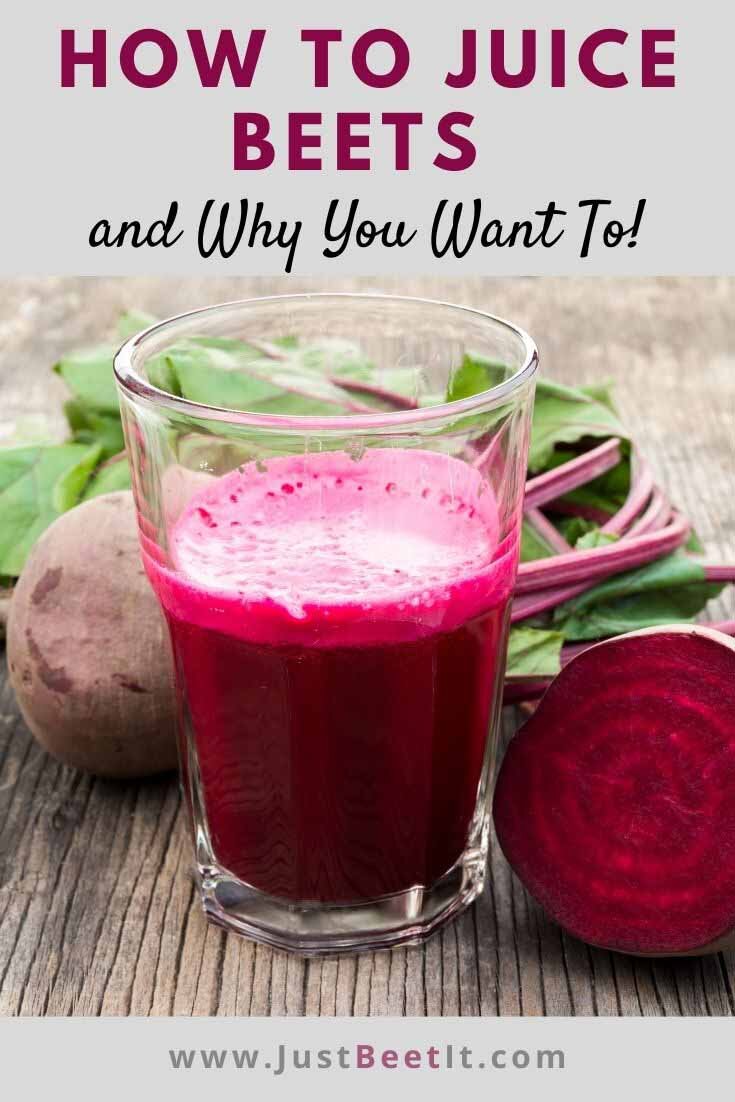
Can Beet Juice Cause Heart Palpitations? What the Science Says
You drink a glass of beet juice expecting cleaner energy and better endurance. Twenty minutes later your heart starts pounding. You feel a thump in your chest that wasn’t there before. It’s unsettling. You wonder if the beet juice caused it.
This reaction happens more often than most people realize. Beet juice is loaded with natural nitrates that turn into nitric oxide in your body. That process drops blood pressure and improves blood flow. For some people the change in circulation can feel like heart palpitations. For others it’s harmless vasodilation that passes quickly.

Juice Performer
Juice Performer Beet Juice With Vitamin B12…
PERFORMANCE-ENHANCING BODY FUEL: Juice Performer will be your new favorite everyday all-natural pre-workout drink. Just drink 1-2 of our convenient, portable cans 2 hours before athletic performance to help improve stamina and help build muscle. You can't beet that!
See on AmazonThis article breaks down exactly what the science says about beet juice and heart palpitations. You’ll learn who is most at risk, how much is too much, and how to tell if your symptoms are caused by beets or something else. You’ll also get practical steps to test your tolerance safely.
If you want a consistent nitrate boost without the guesswork, Juice Performer Beet Juice With Vitamin B12 delivers a measured amount of beet juice in each can. It adds vitamin B12 for natural energy and is used by professional athletes. No added sugars or preservatives.
How Beet Juice Changes Your Circulation
Beets contain high levels of dietary nitrate. One 8-ounce glass of beet juice provides roughly 250 to 500 milligrams of nitrate, depending on the beet variety and processing. Your body converts that nitrate into nitrite and then into nitric oxide.
Nitric oxide relaxes the inner lining of blood vessels. This widening of arteries and veins is called vasodilation. Blood pressure drops typically by 5 to 10 millimeters of mercury in healthy people. The effect can be even stronger in individuals who already have low blood pressure or who take antihypertensive medication.
That sudden drop in pressure changes how blood moves through your chest and head. Some people perceive this as a fluttering, racing, or thumping sensation. It is not always an actual arrhythmia. Often it is just your body sensing a change in vessel tone.
When Beet Juice Might Trigger Palpitations
Most people can drink beet juice without any heart-related symptoms. But there are specific scenarios where the risk goes up.
Low resting blood pressure. If your systolic pressure runs below 100 mmHg, beet juice can push it lower. That can cause dizziness, lightheadedness, and a sensation of pounding in the chest. A drop of even 5 points can feel dramatic when you start from a low baseline.
Blood pressure medication. Beta blockers, calcium channel blockers, and ACE inhibitors already lower pressure. Adding beet juice can produce an additive effect. One study published in the journal Hypertension showed that beet juice combined with medication caused a greater drop than either alone. That can trigger symptoms.
Dehydration. When you are dehydrated, your blood volume is already reduced. Vasodilation from beet juice compounds that effect. Your heart has to pump harder to maintain blood flow to the brain. That extra work can feel like palpitations.
Individual sensitivity. Some people are simply more reactive to nitrate. Their nitric oxide production spikes higher. This is not dangerous for most, but it produces a stronger physical sensation.
Overconsumption. Drinking two or three cans of beet juice in a short period floods your system with nitrate. Blood pressure can dip more than expected. Stick to one serving — about 8 ounces — and see how you respond before increasing.
Comparing Beet Juice Palpitations to Other Common Triggers
Before blaming beet juice, rule out other causes. Many people drink beet juice as a pre-workout alongside coffee or energy drinks. Caffeine alone triggers palpitations in sensitive individuals. The combination can amplify the effect.
| Trigger | Typical Onset | Duration | Key Difference from Beet Juice |
|---|---|---|---|
| Beet juice (nitrate) | 30–90 minutes | 1–2 hours | Usually mild, goes away once blood pressure stabilizes |
| Caffeine | 15–45 minutes | 3–6 hours | Often accompanied by jitteriness, anxiety, hand tremor |
| Dehydration | Gradual | Until fluids are replenished | Dry mouth, dark urine, fatigue appear first |
| Anxiety or panic | Sudden, situational | 10–30 minutes | Shortness of breath, chest tightness, sense of dread |
| Electrolyte imbalance (low potassium) | Slow onset | Persistent until corrected | Muscle cramps, weakness, irregular heart rhythm on ECG |
If you feel palpitations after beet juice, check what else you consumed in the past two hours. Also consider whether you skipped a meal or exercised hard on an empty stomach. Those factors affect blood pressure too.
How to Drink Beet Juice Safely
Start with a small amount. Four ounces is enough to test your tolerance. Drink it with food, not on an empty stomach. Food slows nitrate absorption and blunts the blood pressure drop.
If you take blood pressure medication, talk to your doctor before adding beet juice. They may adjust your dose or monitor your pressure more closely. Do not stop or change your medication based on symptoms alone.
Stay hydrated. Drink a full glass of water when you have your beet juice. Good hydration keeps blood volume up and reduces the sensation of palpitations.
Space out servings. Do not drink beet juice multiple times a day unless you have built up tolerance. Once a day is plenty for most people.
Use a consistent product. Homemade juice varies in nitrate content depending on the age of the beets and how long you juice them. A shelf-stable product like Juice Performer gives you a predictable dose every time. It also includes vitamin B12, which supports healthy nerve function without caffeine. Many athletes find it easier to tolerate than raw beet juice.
For those who prefer making their own juice at home, a quality green juice juicer can handle beets efficiently. But be aware that homemade juice needs to be consumed quickly to avoid bacteria growth. Store-bought options are pasteurized for safety.
Frequently Asked Questions
Can beet juice cause an irregular heartbeat or arrhythmia?
There is no strong evidence that beet juice causes true cardiac arrhythmia. The sensations most people describe — fluttering or skipped beats — usually come from the blood pressure drop, not an electrical problem in the heart. If you have a diagnosed arrhythmia, check with your cardiologist before making beet juice part of your routine. The vasodilation could theoretically affect blood flow in someone with certain conditions.
How much beet juice is too much?
Most studies use one 8-ounce serving (about 250 mL) per day. That provides around 400 mg of nitrate. Drinking more than 16 ounces in a sitting increases the chance of blood pressure drops and palpitations. Stick to one serving until you know your tolerance. Athletes under medical supervision sometimes use higher amounts, but that is not recommended for casual use.
Should I stop drinking beet juice if I feel palpitations?
Not necessarily. If the palpitations are mild — a brief thumping that fades within 30 minutes — you can try a smaller amount next time. If they are strong, last more than an hour, or come with chest pain, fainting, or severe dizziness, stop and see a doctor. Keep a log of what you ate and drank to help identify patterns.
Can beet juice interact with heart medications?
Yes. Beet juice amplifies the effect of nitrates and blood pressure drugs. It can cause hypotension in people on beta blockers, ACE inhibitors, or diuretics. The interaction is not dangerous for most, but it requires awareness. Do not start beet juice the same week you start a new blood pressure medication. Give your body time to adjust to the drug first.
Does the form of beet juice matter — raw, cooked, or powdered?
Yes. Raw or cold-pressed juice retains the highest nitrate levels. Cooking beets can destroy some of the nitrate content. Powdered beet supplements vary widely — some contain very little active nitrate. If you are using beet root powder, check the label for nitrate content. A Breville centrifugal juicer can make fresh juice efficiently, but you lose some nutrients to oxidation over time. Bottled juice like Juice Performer is pasteurized but still delivers effective nitrate levels.
What to Remember About Beet Juice and Your Heart
- Palpitations from beet juice are usually benign and caused by a temporary drop in blood pressure, not an arrhythmia.
- Start with 4 to 8 ounces and work up slowly. Never double your dose the first time.
- Drink beet juice with food and plenty of water to reduce the intensity of the blood pressure drop.
- If you take medication for high blood pressure, ask your doctor before making beet juice a daily habit.
- Rule out caffeine, dehydration, and anxiety as alternative causes before blaming the beets.
- Use a consistent, tested product for predictable results. Homemade juice varies batch to batch.
- Any heart symptom that lasts longer than an hour, causes severe lightheadedness, or comes with chest pain requires immediate medical attention.