
Is Orange Juice Safe and Beneficial During Your Period? Find Out Here
You’re curled up on the couch, heating pad on your stomach, and all you want is a tall glass of cold orange juice. Maybe that’s you right now. Period cravings are real, and orange juice often tops the list – it’s sweet, refreshing, and somehow feels like self-care. But is it actually a good choice when you’re bleeding? Will it help with cramps or make bloating worse?
I’ll walk you through what the research says about orange juice during your period. We’ll talk vitamin C, iron absorption, blood sugar, and acidity. You’ll get clear numbers, practical tips, and a few honest trade-offs. By the end you’ll know exactly whether to pour that glass or reach for something else.
Tropicana
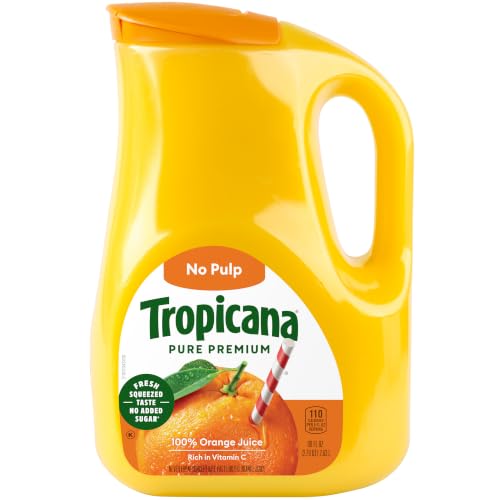
Tropicana, Orange Juice, No Pulp, 89 fl oz. bottle
- Tropicana OJ with no pulp contains one cup of fruit in each 8 fl oz serving of this 100% fruit juice, with no artificial flavors,…
- 100% pure-squeezed orange juice, a beverage that complements a healthy breakfast
- Tropicana Orange Juice has no added sugar, water or preservatives
One quick note before we dig in: the orange juice I’m using as a reference is Tropicana’s No Pulp 100% orange juice in the 89 fl oz bottle. It’s a convenient, family-size option with no added sugar, no artificial anything, and a solid dose of vitamin C. I’ll mention it a few times because it’s a clean, reliable choice – but the advice applies to any good-quality 100% orange juice.
How Orange Juice Affects Common Period Symptoms
Let’s start with the most obvious question: does orange juice do anything helpful for cramps, fatigue, or bloating?
Vitamin C. A single 8-ounce serving of orange juice contains about 124 mg of vitamin C. The recommended daily intake for women is 75 mg, so you’re getting well over that in one glass. Vitamin C is an antioxidant that helps reduce inflammation. Period pain is partly driven by prostaglandins – inflammatory compounds that make your uterus contract. Some studies suggest antioxidants can modestly lower prostaglandin levels and ease cramping. It’s not a painkiller, but it’s a reasonable dietary support.
Blood sugar and energy. Orange juice has natural sugars – about 22 grams per 8-ounce serving, roughly the same as a small banana. If you’re feeling sluggish, that quick carbohydrate boost can help. But it’s a short spike. Without any protein or fat to slow absorption, your energy may crash an hour later. Pairing OJ with a handful of almonds or a hard-boiled egg would give you steadier energy.
Bloating. This is where orange juice gets complicated. The sugar (fructose) can cause gas and bloating in some people, especially if you’re sensitive to FODMAPs. Your gut already tends to be more reactive during menstruation because progesterone slows motility. If you notice your stomach feels puffier after drinking OJ, you’re not imagining it. Try a smaller serving – 4 ounces instead of 8 – and see if that helps.
Orange Juice and Iron Absorption During Menstruation
Here’s where orange juice earns its keep. Menstrual bleeding causes iron loss. The average woman loses about 1–2 mg of iron per period day, though heavy flow can double that. Iron deficiency is common in menstruating women, and it shows up as fatigue, brain fog, and pale skin.
Vitamin C dramatically boosts absorption of non-heme iron – the kind found in plant foods like spinach, lentils, beans, and fortified cereals. Drinking a glass of orange juice with a meal that includes these foods can increase iron absorption by up to six times. That’s a real, measurable benefit.
But orange juice doesn’t contain iron itself. If you’re already anemic, OJ alone won’t fix it. What it does is make the iron you eat more available to your body. So the smart move is to drink it alongside iron-rich meals. For example, a lentil soup lunch with a glass of OJ on the side. Or oatmeal with fortified milk plus OJ for breakfast.
One caveat: calcium competes with iron for absorption. If you’re having a calcium-rich meal (cheese, yogurt, milk), the vitamin C boost won’t work as well. Space them out – have OJ with your main meal and save the dairy for a snack later.
Potential Downsides You Should Know
Orange juice isn’t a magic bullet, and for some women it can backfire. Let’s go through the problems honestly.
Acidity. OJ has a pH around 3.5. If you’re prone to heartburn or acid reflux (which can worsen during PMS due to hormonal shifts), that acidic punch might leave you uncomfortable. Drinking it with food dilutes the acid and helps. Avoid chugging a full glass on an empty stomach first thing in the morning.
Sugar load. Even though it’s natural sugar, 22 grams per serving adds up. Two glasses a day gives you 44 grams of sugar – nearly the entire daily limit recommended by the American Heart Association. For women with PCOS or insulin resistance, that sugar spike can worsen hormonal imbalances and cramping. If that’s you, stick to one glass or try diluting it with water.
Potassium content. One serving has about 450 mg of potassium. That’s generally a good thing – potassium helps regulate blood pressure. But if you have kidney disease or are on certain blood pressure medications (like ACE inhibitors), too much potassium can be risky. Check with your doctor if you’re unsure.
Interactions with pain medication. Many women take ibuprofen or naproxen for cramps. High doses of vitamin C (over 1,000 mg per day) can reduce the effectiveness of these NSAIDs. A single glass is fine, but don’t go overboard on OJ while popping ibuprofen every few hours.
Orange Juice vs. Other Period-Friendly Drinks: A Comparison
To help you make a smart choice, here’s a quick table comparing orange juice with other beverages commonly craved during periods.
| Beverage | Key Benefit | Potential Drawback | Best For |
|---|---|---|---|
| Orange juice (8 oz) | Vitamin C (124 mg), boosts iron absorption, quick energy | Natural sugar can bloat; acidic may irritate reflux | Pairing with iron-rich meals |
| Water (plain) | Hydrates, reduces bloating, no calories | No nutritional boost | Staying hydrated throughout the day |
| Chamomile tea | Antispasmodic properties, mild sedation | No vitamin C or iron benefit | Relaxing cramps before bed |
| Ginger tea | Anti-inflammatory, nausea relief | Strong taste, minimal nutrients | Nausea or upset stomach |
| Milk (skim, 8 oz) | Calcium (300 mg) can reduce cramping | Lactose may cause gas; calcium reduces iron absorption | Evening snack, separate from iron meals |
The takeaway: orange juice has a specific role – supporting iron absorption and giving you vitamin C. It’s not a hydration king or a cramp reliever on its own. Use it strategically during your period, not as your only drink.
Frequently Asked Questions
Can orange juice help with period cramps?
Indirectly, yes. The vitamin C can lower inflammation, which may reduce the intensity of prostaglandin-driven cramps. It won’t replace ibuprofen, but combined with other anti-inflammatory foods (ginger, turmeric), it can help. Drink it warm with a pinch of black pepper for an extra kick.
Does orange juice cause bloating during your period?
For some women, yes. The fructose and sorbitol (natural sugar alcohols in oranges) can ferment in the gut, producing gas. Progesterone already slows digestion during your period, so that combo can lead to bloating. To test if you react, start with a small glass (4 oz) and wait 30 minutes. If you feel puffy, cut back or switch to lower-fructose fruits like berries.
Is it safe to drink orange juice while on your period if you have heavy bleeding?
Yes, it’s safe. In fact, it’s beneficial because it helps you absorb more iron from your meals. Heavy bleeding puts you at higher risk for iron deficiency, so using vitamin C to maximize iron absorption is a smart move. Just don’t rely on OJ alone – eat iron-rich foods like lean red meat, beans, and dark leafy greens.
Should I drink orange juice in the morning or evening during my period?
Morning is usually better. The natural sugar gives you energy without interfering with sleep. Evening OJ could spike your blood sugar and then drop it while you’re sleeping, which might wake you up or cause night sweats. Also avoid OJ right before bed if you have acid reflux.
How much orange juice is too much during period?
Stick to 4–8 ounces per day. More than that (16 oz or more) can overload you with sugar and acid, potentially worsening cramps, bloating, and reflux. The vitamin C benefits max out at about 200 mg per dose anyway, so extra OJ just gives you more sugar without extra perks. If you want more vitamin C, eat a whole orange instead – you get fiber that slows sugar absorption.
What to Remember During Your Period
- Orange juice boosts iron absorption when paired with iron-rich meals – drink it alongside lentils, spinach, or fortified cereals.
- One 8-ounce glass provides well over your daily vitamin C needs; more than that doesn’t help cramping any further.
- Keep portion sizes moderate (4–8 oz) to avoid sugar spikes and bloating.
- If you have acid reflux, drink OJ with food and avoid it in the evening.
- For fresh-squeezed options at home, an electric orange juicer makes it easy to control pulp and sugar. If you prefer store-bought, Tropicana’s No Pulp bottle is a solid, additive-free choice.
- Don’t replace water with OJ – hydration is still key for reducing bloating and fatigue.
- If you notice significant bloating or discomfort, try diluting OJ with half water or switch to a lower-sugar drink like herbal tea.