Can Apple Juice Affect Pregnancy Test Results? Unveiling the Truth
You’re three days late, your stomach is doing flips, and you just downed a glass of apple juice before grabbing the pregnancy test from under the sink. Then the fear hits: Wait — did that juice mess up the result?
It’s a surprisingly common worry. Women search for it, friends pass around half-remembered warnings, and forums are full of conflicting stories. Some swear they got a false positive after drinking apple juice. Others say it turned their test negative. So what’s the real story?

FIRST RESPONSE
First Response Early Result Pregnancy Test, 3…
Includes 3 Early Result pregnancy test sticks
See on AmazonBy the end of this article, you’ll know exactly how pregnancy tests work, whether apple juice can throw off your results, and what factors actually matter when you’re peeing on that stick. No fluff, just the chemistry and the practical steps you need.
For reliable results from the day of your expected period, the First Response Early Result Pregnancy Test is a solid choice. It detects all forms of the pregnancy hormone and can be used 6 days before your missed period. Results show up in 3 minutes, and it’s over 99% accurate when you test on the day your period is due.
How Pregnancy Tests Actually Work
Home pregnancy tests detect human chorionic gonadotropin (hCG) in your urine. That’s the hormone your body starts cranking out after a fertilized egg implants in the uterus, usually 6–12 days after ovulation.
Most tests have a sensitivity threshold — the lowest amount of hCG they can detect. Standard tests sit at 25 mIU/mL. Early-detection tests, like First Response, can pick up levels as low as 6.3 mIU/mL. That’s why they work earlier.
The test strip contains antibodies that bind to hCG. If enough hormone is present, a colored line appears. It’s simple biochemistry. No voodoo, no magic ingredients that react to your breakfast.
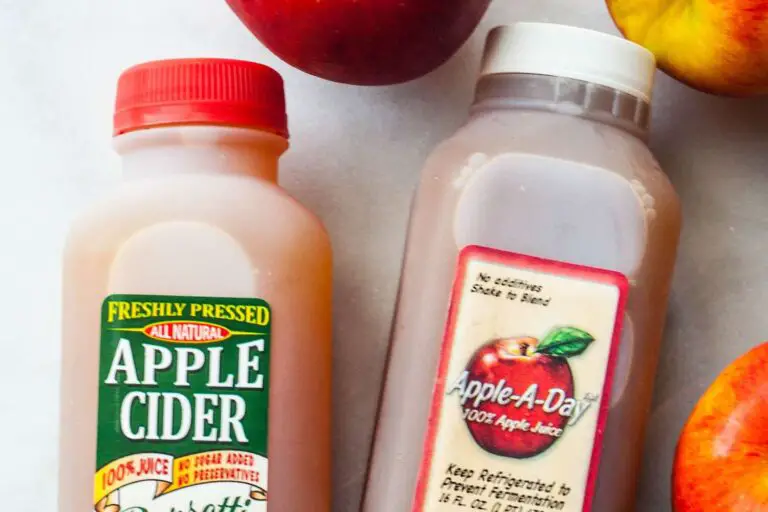
So where would apple juice fit into that picture? It doesn’t. Apple juice contains water, sugar, vitamins, and trace acids — none of which match the molecular structure of hCG. Your body also does not convert apple juice into hCG. The only way to get hCG is if your body is producing it (pregnancy, certain medical conditions, or fertility treatments) or if you inject it synthetically.
That means apple juice cannot cause a false positive result. Period. But could it cause a false negative? Possibly, and that’s where the real story gets interesting.
Can Apple Juice Cause a False Negative?
A false negative happens when you’re pregnant but the test says you’re not. This is far more common than false positives, and it’s often linked to urine dilution.
Drinking large amounts of any fluid — apple juice, water, tea — before taking a test can dilute your urine. If your hCG levels are still low (very early pregnancy), that dilution may drop the concentration below the test’s detection threshold. You’d get a negative even though you’re pregnant.
This isn’t specific to apple juice. It’s a problem with any liquid consumed close to testing time. The solution is straightforward: test with your first morning urine, which is the most concentrated. If you can’t wait, hold your bladder for at least 3–4 hours and don’t chug fluids beforehand.
One more nuance: some people think acidic juices (like orange or apple) might alter urine pH enough to interfere with the antibodies. The science doesn’t back that up. Urine pH can vary between 4.5 and 8.0 based on diet, but pregnancy test antibodies are designed to work across that full range. Unless you’re drinking something absurd (like battery acid), pH won’t matter.
So no, apple juice doesn’t affect pregnancy test results by chemically interfering. But it can mess with your results indirectly by making you pee too soon or too diluted. That’s a user error, not a juice problem.
Real Factors That Skew Pregnancy Tests
If apple juice is off the hook, what actually causes wrong results? Here are the culprits you need to worry about.
Testing Too Early
Even early-detection tests have limits. Implantation can happen as late as 12 days after ovulation, and then hCG needs time to rise. Test before implantation completes and you’ll get a negative, even if you’re pregnant. That’s why the first-morning urine rule matters: it maximizes concentration and avoids borderline hCG levels.
Expired or Damaged Tests
Test sticks degrade over time. Antibodies break down, the chemicals lose potency. An expired test can give a false negative, or rarely a faint line that looks positive but isn’t. Always check the expiration date on the package. If you’ve stored tests in a hot bathroom or damp drawer, throw them out and buy fresh.
Medical Conditions and Medications
Certain ovarian tumors, pituitary disorders, and rare cancers produce hCG. Fertility drugs containing hCG (like Ovidrel or Pregnyl) will cause a positive test for days to weeks after injection. Some antianxiety medications and diuretics have also been linked to false positives, though the evidence is thin. If you’re on any prescription meds, check the package insert or ask your pharmacist.
User Error
Reading the test too late, dipping it past the max line, or using too little urine — all common mistakes. Digital tests remove the guesswork but still require proper technique. Follow the instructions exactly. The test manufacturer knows what works best.
Pregnancy Test Sensitivity Comparison
Not all tests are created equal. The table below shows key differences between common types. Check the current price on Amazon for any test you’re considering.
| Test Type | Approximate Sensitivity (mIU/mL) | Earliest Detection | Time to Read | Notes |
|---|---|---|---|---|
| First Response Early Result | ~6.3 | 6 days before missed period | 3 minutes | Over 99% accurate from day of expected period |
| Standard strip test (e.g., generic) | 25 | Day of missed period | 3–5 minutes | Cheaper but less sensitive |
| Digital test (e.g., Clearblue) | 10–25 | 4–5 days before missed period | 1–3 minutes | Displays ‘Pregnant’ or ‘Not Pregnant’ |
The sweet spot for early detection is a test that can spot low hCG levels. The First Response Early Result is one of the most sensitive on the market, which is why it’s a reliable pick for testing before your missed period.
Frequently Asked Questions
Can apple juice cause a false positive pregnancy test?
No. Apple juice does not contain hCG, and nothing in its chemical makeup can mimic hCG to trigger the test’s antibodies. Any link you’ve heard is a coincidence — likely a chemical pregnancy, user error, or a faulty test.
What drinks can affect pregnancy test results?
No drink — not apple juice, not orange juice, not coffee — directly causes a false positive or negative by chemical reaction. The only risk is dilution. Large volumes of any liquid (including water) can lower urine hCG concentration, increasing the chance of a false negative. Alcohol doesn’t cause false positives either, but heavy drinking can affect your cycle and delay ovulation, making you think you’re late when you’re not.
Does drinking a lot of water before a test dilute hCG?
Yes, it absolutely can. If you drink a liter of water and test 30 minutes later, your urine will be very dilute. If your hCG level is still low (under 50 mIU/mL), the test might miss it. That’s why first-morning urine is recommended. If you test later in the day, try to avoid fluids for 3–4 hours beforehand.
How soon can I test with First Response Early Result?
According to the manufacturer, you can test up to 6 days before your missed period. But keep in mind: only about 76% of pregnant women get a positive result 5 days before their missed period. The accuracy climbs each day. Testing on the day of your expected period gives you over 99% reliability.
What should I do if I get an unexpected result?
Wait two days and test again with first-morning urine. If you still get an unclear or conflicting result, see a doctor for a blood test (serum hCG). Blood tests are quantitative and far more sensitive than any urine stick. They’ll give you a definitive answer.
Quick Takeaways You Can Act On
- Apple juice will not cause a false positive. The chemistry doesn’t allow it.
- Do not chug apple juice (or anything) right before testing. Dilute urine can hide a real pregnancy.
- Always test with first-morning urine for the most reliable result.
- Check the expiration date on your test kit. Old tests are unreliable.
- If you test early, use a high-sensitivity test like First Response Early Result — it detects hCG at levels below 10 mIU/mL.
- Follow the instructions to the letter. Dip to the right depth, lay it flat, and read at the exact time specified.
- If you get a positive, schedule a doctor’s appointment to confirm. If you get a negative but still no period, test again in 2–3 days.
Pregnancy tests are reliable tools when used correctly. Don’t let old kitchen-table myths — or a glass of juice — make you second-guess the science. For more on how diet during pregnancy matters in other ways, check out our pregnancy juice guidelines. And if you’re curious about how timing of fruit juice intake might affect your body, see our tips on grape juice timing.