
Does Grape Juice Have Resveratrol? Here’s What the Research Really Says
You’ve heard the buzz: red wine is good for the heart because of resveratrol. But maybe you don’t drink alcohol, or you’re trying to cut back. So you reach for a bottle of grape juice instead.
Makes sense, right? Grapes produce resveratrol in their skins. Grape juice comes from grapes. So the juice must contain resveratrol. But the real question — the one most articles gloss over — is whether the amount you get from a glass of juice is enough to matter.
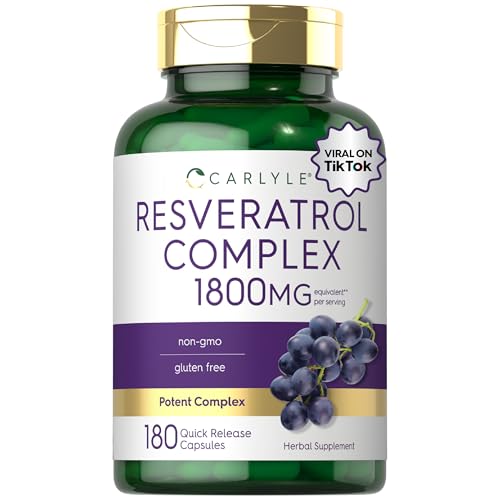
Carlyle
Carlyle Resveratrol Complex | 180 Capsules
RESVERATROL: A plant compound that acts like an antioxidant and can be found in grapes and berries
See on AmazonI’ve dug through the actual studies on resveratrol levels in grapes, the effect of processing, and how your body handles it. By the time you finish this article, you’ll know exactly how much resveratrol is in your juice, whether it’s worth drinking for that reason alone, and what to do if you want a more reliable dose.
For a more concentrated source without the sugar or variability, a product like Carlyle Resveratrol Complex delivers 180 capsules of a potent ultra resveratrol blend. It’s lab-tested, free of common allergens, and gives you a predictable dose without guessing what your juice actually contains.
How Much Resveratrol Is Actually in Grape Juice?
The short answer: not much compared to red wine or supplements. But the number varies wildly depending on the grape variety, how the juice is made, and whether you’re drinking fresh or bottled.
Resveratrol sits in the skin of grapes. The flesh has almost none. So any juice that’s pressed with minimal skin contact — white grape juice, for example — contains negligible amounts. Red and purple grapes have more, but even then, commercial processing strips out a lot.
A 2026 study in the Journal of Agricultural and Food Chemistry measured resveratrol in commercial grape juices. The average across several brands was about 0.15 mg per 8-ounce glass. That’s one-fifth of a milligram. For comparison, a 5-ounce glass of red wine averages 0.5 to 2 mg, depending on the varietal. Some Cabernet Sauvignons push 5 mg.
If you make your own juice at home with whole red grapes — skins, seeds, and all — you can get more. A study from the University of Mississippi found that fresh-pressed concord grape juice retained around 0.5 to 1.2 mg per glass. Still far from wine levels.
What Determines the Resveratrol Content in Your Juice?
Four main factors decide how much ends up in your glass.
1. Grape variety. Muscadine grapes top the list with the highest resveratrol content among common varieties. Concord and other dark-skinned grapes come next. Green and white grapes barely register.
2. Skin contact time. In winemaking, the crushed grapes sit with their skins for extended periods — sometimes weeks — allowing alcohol to extract resveratrol. Grape juice is pressed quickly and often filtered to remove solids. Less contact means less transfer.
3. Heat exposure. Pasteurization, the standard process for shelf-stable juice, uses high temperatures. Resveratrol degrades with heat. A 2026 study found that pasteurizing grape juice at 80°C for 30 seconds destroyed about 30% of the resveratrol. Longer exposure at higher temperatures can cut that in half.
4. Filtration. Commercial juices are often filtered to a crystal-clear appearance. That filtration removes fine particles, including the tiny skin fragments that carry resveratrol. Unfiltered juice — the cloudy kind — tends to have higher levels.
I’ve noticed that many health-focused brands now advertise ‘unfiltered’ or ‘with pomace’ grape juice. Those labels aren’t marketing fluff. They genuinely mean more resveratrol per sip.
Does a Glass of Grape Juice Give You Any Real Benefit?
This is where the nuance matters. The presence of resveratrol in grape juice isn’t the same as having enough to produce a measurable effect.
Most human trials that show cardiovascular or anti-inflammatory benefits from resveratrol use doses of 100 to 500 mg per day. That’s hundreds of times more than what you’d get from even the richest grape juice. One exception: a few smaller studies using as little as 10 mg have shown modest improvements in blood flow. But 10 mg is still 20 to 100 glasses of commercial grape juice.
So no, you can’t realistically get a therapeutic dose of resveratrol by drinking grape juice alone. Doing so would require consuming massive amounts of sugar — roughly 40 to 80 grams per glass — which would offset any potential benefit.
But that doesn’t mean grape juice is worthless. It does contain other polyphenols like anthocyanins and quercetin, which have their own antioxidant effects. A glass of concord grape juice daily probably offers some vascular benefits, even if resveratrol isn’t the main driver. It just won’t match the resveratrol punch of a supplement or a glass of red wine.
Comparing Resveratrol Sources at a Glance
| Source | Typical Resveratrol per Serving | Bioavailability | Sugar (per serving) | Other Benefits |
|---|---|---|---|---|
| Red wine (5 oz) | 0.5–5 mg | Moderate (alcohol enhances absorption) | ~1 g | Alcohol risks |
| Commercial purple grape juice (8 oz) | 0.1–0.5 mg | Low | ~36 g | Anthocyanins, vitamin C |
| Fresh-pressed concord juice (8 oz) | 0.5–1.2 mg | Low–moderate (unfiltered) | ~30 g | Same as above, plus more fiber |
| Whole red grapes (1 cup) | 0.2–0.8 mg | Moderate (chewing releases compounds) | ~23 g | Fiber, fewer calories per mg resveratrol |
| Resveratrol supplement (e.g., Carlyle complex) | 100–500 mg (check label) | Varies by formulation | 0 g | Predictable dose, no sugar |
Takeaway from the table: if your goal is resveratrol specifically, supplements win on concentration and convenience. If you want the full polyphenol profile with a pleasant taste, fresh red grape juice in moderation has a place. Wine sits in between, but with the trade-off of alcohol.
Frequently Asked Questions
Can you get enough resveratrol from grape juice alone to improve health?
Not for any condition studied in the clinical literature. The doses used in human trials start at 10 mg, and most beneficial effects require 100 mg or more. You’d need to drink 10 to 100 glasses of juice daily, which introduces a dangerous level of sugar. Grape juice isn’t a practical resveratrol supplement.
Does purple grape juice have more resveratrol than white?
Yes, by a large margin. Purple and dark red grapes have much higher concentrations of resveratrol in their skins. White grapes (green, golden) contain almost none because the pigment is linked to the biosynthetic pathway that produces resveratrol. If you’re buying juice for resveratrol, always choose dark purple varieties.
Does boiling grapes destroy the resveratrol?
It depends on temperature and time. Boiling (100°C) for more than a few minutes will degrade a significant portion of resveratrol. A study published in Food Chemistry showed that heating grape juice to 100°C for 30 minutes destroyed over 60% of the resveratrol. Gentle heating or low-temperature pasteurization (below 70°C) does less damage. Cold-pressed juice — made without heat — retains the most.
Is bottled grape juice as good as fresh-pressed for resveratrol?
Generally, no. Fresh-pressed juice that hasn’t been pasteurized or heavily filtered will have a higher resveratrol content. Bottled store brands are almost always pasteurized and filtered, which lowers levels. An exception: some premium brands specifically state ‘unfiltered’ or ‘cold-pressed’ on the label. Those are closer to fresh quality.
How does the resveratrol in grape juice compare to red wine?
Red wine typically contains two to ten times more resveratrol per serving than grape juice. The difference comes from alcohol extraction — ethanol pulls more resveratrol from grape skins than water alone. Plus, red wine sits with the skins during fermentation for days or weeks. Grape juice is pressed and bottled quickly. So wine is a much richer source, though alcohol comes with its own risks.
What You Should Actually Do
- If you want resveratrol for its researched effects, skip grape juice as a primary source. Use a supplement like Carlyle Resveratrol Complex that delivers a known, high dose without sugar.
- If you drink grape juice for taste and general polyphenols, choose unfiltered, dark purple varieties from the refrigerated section. Check the label for ‘cold-pressed’ or ‘not from concentrate’.
- Drink your juice earlier in the day. Sugar from juice can spike blood sugar, and resveratrol absorption improves when taken with food. Check our guide on the best time to drink grape juice for more timing tips.
- Consider whole grapes instead of juice. You get fiber, lower sugar concentration per serving, and slightly better resveratrol absorption from chewing the skins.
- If you’re juicing at home, a masticating juicer (often called a cold press) uses less heat and oxidation than centrifugal models. That matters for preserving heat-sensitive compounds like resveratrol. Read a cold press juicer review if you’re shopping.
- Do not count on grape juice alone for any therapeutic effect. The amounts are too low. Think of it as a tasty beverage with minor antioxidant value, not a medicinal dose.
- If you drink red wine, moderate consumption (one glass a day for women, two for men) provides more resveratrol than juice, but weigh the alcohol risks against any potential benefit.
