
Does Grape Juice Help With Constipation? Here’s What the Evidence Says
You’ve been backed up for two days. That heavy feeling in your gut makes every meal feel like a mistake. You’ve tried extra water, more fiber, maybe even some prunes. Nothing’s moving. Then someone says: try grape juice. It sounds too simple to work. But there’s real chemistry behind that suggestion.
This article cuts through the noise. You’ll learn exactly how grape juice affects digestion, whether it’s better than other fruit juices, and when it can backfire. We’ll also look at one specific brand that avoids common pitfalls. By the end, you’ll know if grape juice deserves a spot in your constipation toolkit.
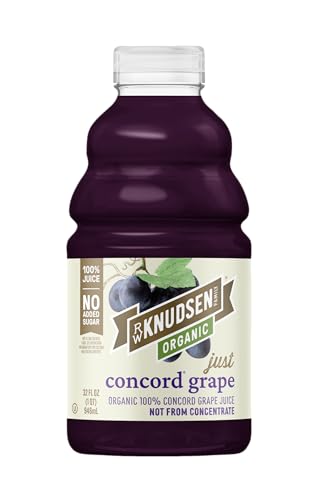
R.W. Knudsen
R.W. Knudsen Organic Just Concord Grape Juice, 32 fl oz (Pack of 1)
- 100% Juice Not from Concentrate
- USDA-Certified Organic
- No Added Sugar
One product that delivers the real deal is R.W. Knudsen Organic Just Concord Grape Juice. It’s 100% juice not from concentrate, USDA organic, and has no added sugar. Each 8-ounce serving counts as one cup of fruit. No fillers, no sweeteners—just the fruit. If you’re going to try this approach, starting with a clean option like that makes sense. Check the current price on Amazon if it interests you.
Myth: All Grape Juice Is Created Equal for Digestion
Most people grab any grape juice off the shelf and expect results. That’s a mistake. The laxative effect of grape juice comes primarily from a compound called sorbitol, a sugar alcohol that draws water into the colon. But sorbitol levels vary wildly between grape varieties and processing methods.
Concord grapes are the heavy hitters. They contain more sorbitol and polyphenols than green or red table grapes. Many commercial grape juices are made from cheaper blends or from concentrate, which can reduce sorbitol content through heating and dilution. If the label says “grape juice from concentrate” and lists added sugars, you’re getting less of what helps and more of what doesn’t.
So no, not all grape juice works the same. Look for 100% juice from a dark-skinned grape like Concord. That’s where the real digestive punch is.
Myth: Grape Juice Works Faster Than Prune Juice
This one gets repeated a lot, mainly because grape juice tastes better. But speed is not its strength. Prune juice contains a compound called dihydroxyphenylisatin (a natural stimulant) along with high fiber content. That combination typically triggers a bowel movement within 6–12 hours for most people.
Grape juice relies on sorbitol and a different set of polyphenols. The effect is gentler and often takes 12–24 hours, sometimes longer. It works better as a mild, gradual stool softener than a fast laxative. If you need relief by tomorrow morning, prune juice is still the champ. But if you can wait a day and want something that tastes good enough to drink regularly, grape juice is a solid choice.
How Grape Juice Actually Moves Things Along
The mechanism is straightforward. Sorbitol passes through your small intestine mostly undigested. When it reaches the colon, it pulls water in through osmosis. That water softens stool and increases bulk, which triggers peristalsis—the wave-like contractions that push waste forward.
But there’s a second player: polyphenols. These antioxidants feed beneficial gut bacteria, producing short-chain fatty acids that also stimulate motility. It’s a two-pronged approach. One study found that 100 ml of Concord grape juice increased stool frequency in healthy adults after two weeks of daily consumption.
Don’t expect immediate results. This is cumulative. Drinking it daily for several days usually produces more reliable effects than chugging a glass once.
When Grape Juice Makes Constipation Worse
Yes, it can happen. Two common scenarios.
Too much added sugar. High-fructose corn syrup or added cane sugar can feed harmful bacteria and cause bloating, gas, and even paradoxical constipation. The sugar draws water into the gut transiently, then the insulin spike can slow things down. Always choose unsweetened juice.
Excessive fiber from whole grapes. Wait—this is juice, not whole fruit. But people sometimes think “more is better” and drink a liter. Too much sorbitol at once can cause diarrhea, cramping, and dehydration, which actually worsens constipation by drying out the colon. Stick to one 8-ounce serving per day.
Also, if you have irritable bowel syndrome (IBS) with constipation, grape juice might trigger bloating without softening stools. The sorbitol is a FODMAP, and some people are sensitive. Start small.
Grape Juice vs. Other Constipation Remedies: A Quick Comparison
| Remedy | Key Active Compound | Onset Time | Best For | Caveats |
|---|---|---|---|---|
| Prune juice (8 oz) | Dihydroxyphenylisatin, fiber | 6–12 hours | Fast, reliable relief | High sugar, strong taste |
| Grape juice (8 oz, Concord) | Sorbitol, polyphenols | 12–24 hours | Gentle daily maintenance | Must be 100% juice; works slowly |
| Apple juice (8 oz) | Sorbitol, pectin | 12–24 hours | Mild option for children | Lower sorbitol than grapes |
| Psyllium husk (1 tsp) | Soluble fiber | 12–72 hours | Bulk-forming, long-term regulation | Must drink extra water; can cause gas |
| Water (64–80 oz/day) | H2O | Ongoing | Prevention, not treatment | Doesn’t work alone for chronic constipation |
What About the Timing? Does When You Drink Matter?
Some people swear by drinking grape juice first thing in the morning on an empty stomach. The logic: with no food to dilute it, the sorbitol hits the colon faster. That might work for some, but others find it causes too-rapid gas and discomfort.
I’ve had better luck sipping 4–6 ounces with breakfast or lunch. The presence of other food slows transit a bit, but it also prevents cramping. If you’re curious about optimal timing, there’s a detailed guide on grape juice timing that covers morning, evening, and before bed strategies.
One more tip: warm the juice slightly. Body-temperature liquids move through the digestive tract a little faster than cold ones. A quick 10-second microwave zap (not boiling) can help.
Grape Juice vs. Whole Grapes — Which Is Better?
Whole grapes contain fiber, which juice lacks. You’d think that makes the fruit superior. But for constipation, the story is mixed. The fiber in grape skins is mostly insoluble, which adds bulk but can also irritate sensitive colons. The sorbitol and polyphenols are more concentrated in the juice because juicing releases them from cell walls.
If you own a masticating juicer, making fresh Concord grape juice at home preserves more nutrients than store-bought concentrate. That said, most people don’t have access to fresh Concord grapes year-round. A high-quality bottled product like R.W. Knudsen works just fine.
Bottom line: for acute constipation, juice wins. For long-term gut health, eat whole grapes with the skins (but wash them well).
Frequently Asked Questions
Can grape juice cause constipation instead of relieving it?
It can if you drink a lot of added-sugar varieties. The sugar can feed unfavorable bacteria and draw water out of the colon temporarily. Also, if you’re dehydrated overall, the sorbitol pulls water into the stool but leaves your body more dehydrated—that paradoxically slows things down later. Stick to one 8-ounce glass of unsweetened juice and increase your plain water intake the same day.
How much grape juice should I drink for constipation?
Start with 4–6 ounces. If that doesn’t produce a bowel movement within 24 hours, try 8 ounces the next day. Don’t exceed 12 ounces in a single day. Too much sorbitol causes diarrhea and cramping. For some petite individuals, even 4 ounces is enough—listen to your gut.
Is Concord grape juice better than other types for constipation?
Yes. Concord grapes have the highest sorbitol content among common grape varieties. Red and green table grapes are bred for sweetness, not digestive compounds. Concord juice is darker, tarter, and more effective. Always check the label for “Concord” on the ingredient list.
Does grape juice work better than prune juice for constipation?
Not for speed. Prune juice usually works faster due to its natural stimulant compound. Grape juice is gentler and may be better for people who can’t tolerate prunes’ strong taste or higher sugar content. For chronic maintenance, grape juice is a perfectly good alternative. For overnight relief, reach for prunes.
Is grape juice safe for children with constipation?
Yes, in small amounts. For toddlers over 1 year, 2–4 ounces of diluted Concord grape juice (half water) can help soften stools. Don’t give it to infants under 12 months because of the natural sugar content and risk of dental caries. Always check with a pediatrician first if constipation persists.
7 Quick Takeaways for Using Grape Juice Against Constipation
- Choose 100% Concord grape juice with no added sugar — R.W. Knudsen Organic is a reliable option.
- Start with 4–6 ounces per day; increase to 8 ounces if needed after 24 hours.
- Drink it with a meal or warm it slightly to reduce cramping risk.
- Pair it with an extra glass of water to prevent dehydration from sorbitol.
- Don’t expect instant results. Give it 12–24 hours, and use daily for a few days for best effect.
- Avoid this approach if you have IBS with constipation or sorbitol sensitivity — test carefully.
- If you need faster relief, prune juice still works quicker. Grape juice is for the long game.