How Long is Cranberry Juice Good for After Opening: Freshness Tips
You grab a bottle of cranberry juice from the fridge, pour a glass, and then wonder – when did I open this thing? Three days ago? A week? You sniff it. It smells fine. But you’re not sure. That’s the moment most people either gamble with their stomach or toss a perfectly good bottle.
I’ll give you the real numbers so you never have to guess. This article covers how long cranberry juice lasts after opening, the best ways to store it, how to spot spoilage, and when it’s safer to pour it down the drain. I’ve tested this stuff in my own kitchen, and I’ve read the food science behind it. You’ll walk away knowing exactly what to do.

Ocean Spray
Ocean Spray 100% Juice, Cranberry Juice, 10…
Included - Six (6) 10 fl oz juice bottles of Ocean Spray 100% Juice Cranberry Juice Blend
See on AmazonOne quick note before we dive in: if you want a convenient no-fuss option for single servings, the Ocean Spray 100% Juice Cranberry Juice Blend (10 oz bottles, pack of 6) is a solid pick. Each bottle is a single serving, so you don’t face the half-empty-bottle-in-the-fridge problem. They’re shelf-stable until opened, and each 8 oz serving gives you 100% of your daily vitamin C with no added sugar. Perfect for tossing in a lunch bag or keeping in the pantry for a quick drink.
How Long Does Opened Cranberry Juice Actually Last?
Here’s the short answer: most opened cranberry juice stays fresh for 7 to 10 days in the refrigerator. Some brands that use preservatives or are pasteurized differently can stretch to 14 days. But 7 to 10 days is the safe zone most food scientists agree on.
The clock starts the moment you break the seal. Unopened, a bottle of cranberry juice can sit in the pantry for months – check the printed date, but it’s usually good for 6 to 12 months past that date if stored in a cool, dark place. The moment air hits that juice, bacteria and yeast from the environment start doing their thing.
Cranberry juice has natural acidity that slows spoilage. That’s why it lasts a bit longer than, say, orange juice. But acidity isn’t a magic shield. Mold, off-flavors, and fermentation will eventually set in. Fermentation is easy to spot: the juice starts to fizz or smell like wine. That’s yeast converting sugar into alcohol. It won’t kill you, but it won’t taste good either.
So if you opened a bottle of pure cranberry juice on a Monday, mark the next Thursday or Friday as the day to finish it. If it’s a blend with other fruit juices (like apple or grape), move that deadline up a day or two – lower acidity means faster spoilage.
Best Ways to Store Opened Cranberry Juice
Temperature is everything. Your fridge should be at or below 40°F (4°C). Most home refrigerators run around 37°F, which is perfect. The door shelf is the warmest spot, so keep the bottle on a middle or lower shelf where the temperature stays consistent.
Always screw the cap back on tightly after each pour. Sounds obvious, but people leave caps loose and oxygen does the damage. Oxygen oxidizes the juice, changes the color, and lets airborne mold spores settle in.
Don’t drink straight from the bottle. I know it’s tempting, but every time your lips touch the rim, you introduce bacteria from your mouth into the whole bottle. That can turn a 10-day shelf life into a 5-day shelf life. Pour what you want into a glass, then put the bottle back in the fridge immediately.
If you buy large 64-ounce jugs, consider decanting into smaller containers. Less air space in the container means less oxygen exposure. Glass jars with tight lids work great. I use old pickle jars (washed well) for this because they seal better than the original plastic bottle.
Freezing is an option, but only for longer storage. Cranberry juice freezes well because of its high water content. Pour it into an ice cube tray or a freezer-safe container, leaving an inch of headspace for expansion. Frozen juice stays good for 6 to 8 months. Thaw it in the fridge overnight, shake well, and drink within 2 days after thawing. The texture may be slightly thinner because freezing breaks down some of the pectin, but the taste is fine.
Signs Your Cranberry Juice Has Gone Bad
Trust your nose first. If it smells sour, yeasty, or like nail polish remover (acetone), toss it. That’s spoilage. Fresh cranberry juice has a sharp, tart, fruity smell.
Look at the color. Fresh juice is deep red or reddish-purple. If it’s turned brown, orange, or has a muddy appearance, bacteria or oxidation has changed it. A little separation is normal – give it a shake. But if the liquid looks cloudy or has floating particles that don’t mix back in, that’s mold or sediment from spoilage.
Check for mold. Tiny fuzzy spots on the surface or around the rim are a hard no. Even if you skim them off, the toxins have likely spread through the liquid. Don’t risk it.
Taste a tiny sip only if it passes the smell and sight tests. If it tastes flat, excessively bitter, or just ‘off’, spit it out and dump the rest. Your taste buds are a reliable last line of defense.
Opened vs. Unopened: How Different Types Compare
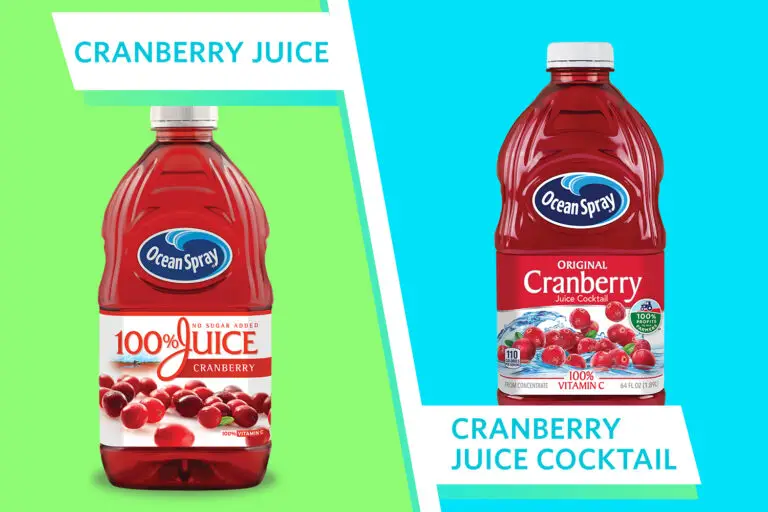
Not all cranberry juice is created equal. Pure 100% juice from concentrate behaves differently than juice blends with added sugar or preservatives. Homemade juice is a whole different story – it spoils much faster because it’s not pasteurized.
Here’s a quick comparison table so you can see the differences at a glance.
| Type of Cranberry Juice | Unopened (pantry) | Opened (refrigerator) | Opened (room temp) |
|---|---|---|---|
| 100% juice (pasteurized, from concentrate) | 6–12 months past printed date | 7–10 days | 2–4 hours (discard after) |
| Juice blend (with apple/grape, added sugar) | 9–12 months past printed date | 5–7 days | 2 hours |
| Organic/no-preservative juice | 6–9 months | 5–7 days | 2 hours |
| Homemade cranberry juice (unpasteurized) | N/A (refrigerate immediately) | 3–5 days | 1 hour |
| Frozen cranberry juice | 6–8 months | 2 days after thawing | N/A |
Notice the pattern: the more sugar and the less acidity, the shorter the shelf life. Homemade juice has no preservatives or pasteurization, so it’s the most perishable. Store-bought juices with added preservatives (like potassium sorbate or sodium benzoate) can sometimes last the full 14 days. Check the ingredient list. If you see those preservatives, you can lean toward the longer end of the window.
Frequently Asked Questions
How long does cranberry juice last after opening if not refrigerated?
It’s not safe. Once opened, cranberry juice should never be left at room temperature for more than 2 hours. Bacteria multiply fast between 40°F and 140°F. After 2 hours, the risk of foodborne illness goes up. If the room is above 90°F (like a hot car or outdoor picnic), that window shrinks to 1 hour. So keep that open bottle in the fridge except when pouring.
Can you freeze cranberry juice to make it last longer?
Yes, and it works well. Pour the juice into a freezer-safe container or ice cube trays. Leave room for expansion – liquid expands about 10% when frozen. Frozen cranberry juice stays good for 6 to 8 months. Thaw it in the refrigerator overnight, then drink within 2 days. The flavor will be slightly less bright, but it’s still fine for drinking or mixing into smoothies.
Does cranberry juice go bad if it’s still sealed and past the date?
It can, but it’s less likely. An unopened bottle stored in a cool, dark pantry might still be okay months past the printed date. Check for bulging lids, leaking, or a sour smell when you open it. The date on the bottle is a ‘best by’ estimate, not a safety cutoff. If the bottle looks normal and smells fine, it’s probably safe. But the quality – flavor and color – will decline over time.
How can I tell if my cranberry juice has fermented?
Fermentation gives itself away. The juice will fizz or foam when you pour it. It might smell like wine, beer, or vinegar. The taste will be sharp and alcoholic, not tart and fruity. Some people intentionally ferment cranberry juice into a low-alcohol drink (cranberry wine), but if you didn’t plan for it, pour it out. Fermented cranberry juice isn’t dangerous per se, but it won’t taste like you expect.
How long does homemade cranberry juice last in the fridge?
Homemade cranberry juice (no pasteurization, no preservatives) lasts only 3 to 5 days in the fridge. Because you’re not heating it to kill bacteria and yeast, spoilage happens faster. If you add sugar, that feeds the microbes, so the clock ticks even quicker. Your best bet is to freeze homemade juice in small portions right after it cools.
Quick Tips to Keep Your Cranberry Juice Fresh Longer
- Write the opening date on the bottle with a marker. Then you never have to guess.
- Keep the bottle on a middle fridge shelf, not the door. Stable temperature = slower spoilage.
- Pour into a glass – never drink from the bottle. One mouthful can cut shelf life in half.
- Transfer leftovers to a smaller container if the original bottle is less than half full. Less air = less oxidation.
- Freeze any juice you won’t finish within 7 days. Ice cubes are great for adding to smoothies or cocktails later.
- If you’re looking for single-serve convenience that eliminates the opened-bottle problem, grab a pack of Ocean Spray 100% Juice Cranberry Juice 10 oz bottles. Each bottle is a portion you finish in one sitting.
- When in doubt, throw it out. A dollar or two of wasted juice beats a stomach ache or worse. Weight loss juice options are great, but freshness is key. Also, if you have diabetes, check out the best juice drink for diabetics for sugar-free alternatives.