
How To Make Beetroot Juice Without A Juicer: Easy Homemade Recipe
You bought a bunch of beets at the market, got home, and realized your kitchen doesn’t have a juicer. Or maybe you have one, but it’s buried in a cabinet and you don’t feel like digging it out. Either way, you want fresh beetroot juice — not the sugary stuff from a carton. The good news is you can make it with tools you already own.
This guide walks you through every method I’ve tested: blender, box grater, and even a manual potato masher. You’ll get exact ratios, prep steps, and the one trick that keeps your juice from tasting like dirt. By the end, you’ll know how to make beetroot juice without a juicer — and you might decide you don’t need a dedicated machine after all.
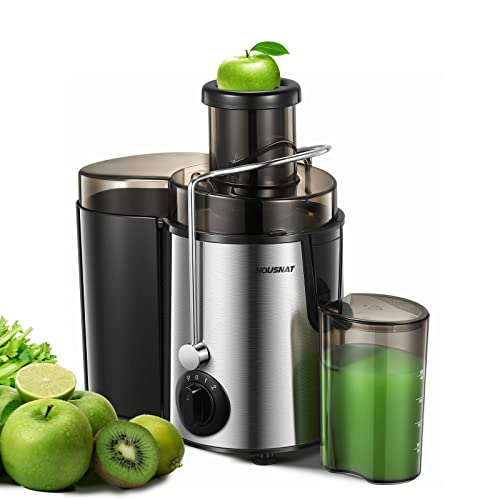
HOUSNAT
HOUSNAT Juicer Machines for Whole Fruit and Vegetables, 3 Speed Setting
- 【FRESH JUICE IN SECONDS】The juicer machine is great for those who are living a busy life and don't have time to get a fresh juice…
- 【3-SPEED VERSATILITY & PULSE】Tailor your juicing to the ingredient. Speed "1" low speed, for soft fruits vegetables like oranges,…
- 【MAXIMUM NUTRIENT EXTRACTION】High-density 304 Stainless Steel precision filter and anti-corrosion blades extract up to 25% more ju…
If you do make juice regularly, a decent electric juicer saves time. For example, the HOUSNAT Juicer Machines with its 3-speed setting and 400W motor handles whole beetroots in seconds. The 65mm feed chute means you don’t have to chop beets into tiny cubes. But for today, we’re going old-school.
Why You Don’t Need a Juicer for Beetroot Juice
Beetroots are tough, fibrous root vegetables. A dedicated juicer pulverizes them and separates the pulp fast. But you can extract the juice with a blender, a grater, or even a strong pair of hands. The trade-off is time and elbow grease — the juice tastes the same.
Here’s the core principle: you need to break the cell walls of the beetroot to release the liquid, then strain out the solids. Every method below does exactly that. Some leave more pulp, some less. Some are faster to clean up. Pick the one that matches your patience level.
Method 1: Blender + Strainer (Easiest, Lowest Effort)
This is the method I use most often. It requires a blender (any kind works) and a fine-mesh strainer or nut milk bag.
Ingredients
- 2 medium beetroots (about 300g total)
- 1/4 cup water (optional, helps blending)
- 1 small lemon or apple (optional, for flavor)
Steps
- Wash and peel the beetroots. Peel deeply enough to remove the rough outer skin, but not the thin layer under it — that holds color.
- Chop into 1-inch cubes. Smaller pieces blend easier and produce more juice.
- Add the beet cubes to the blender. Add 1/4 cup water if your blender struggles with dry ingredients.
- Blend on high for 30–45 seconds. The mixture should look like a thick, slushy puree. If the blender stalls, add another tablespoon of water.
- Pour the puree into a fine-mesh strainer set over a bowl. Press with the back of a spoon to force the juice through. A nut milk bag works better — twist the top and squeeze firmly.
- Collect the juice. You should get about 1 cup from 2 medium beets.
Honest caveat: This method yields juice with a bit of fine pulp. If you hate pulp, double-strain through a cheesecloth. Also, you lose a little liquid in the pulp compared to a juicer — maybe 10% less yield.
Method 2: Box Grater + Cheesecloth (No Electricity Needed)
Grating beets by hand takes about 5 minutes of forearm work. But it’s the oldest method and gives you near-total control.
Steps
- Peel and grate the beetroots on the large-hole side of a box grater. Work over a bowl to catch the shreds and juice.
- Transfer the shredded beet into the center of a clean cheesecloth or a thin cotton kitchen towel.
- Gather the corners and twist. Squeeze the bundle over a bowl, applying steady pressure. Rotate the bundle and squeeze again from different angles.
- Keep squeezing until only dry-ish pulp remains. This takes about 2 minutes of steady pressure.
Why this works: The grating creates maximum surface area, so squeezing releases most of the liquid. The yield is actually higher than a blender method — you get almost every drop — but your hands will ache if you do more than two beets.
Method 3: Potato Masher + Strainer (Lazy Sunday Method)
Don’t laugh. If you have a potato masher and a colander, you can extract beetroot juice in a pinch. The yield is lower, but the cleanup is trivial.
Steps
- Peel and chop beets into small pieces (1/2 inch cubes).
- Put chopped beets in a sturdy bowl. Smash them with a potato masher for 3–4 minutes until they become a chunky paste.
- Transfer the paste to a fine-mesh strainer over a bowl. Press with the masher to push liquid through.
- Repeat pressing until no more juice drips out.
This method gives about 60% of the juice a blender would. But you only dirty two tools: a masher and a strainer. Great for camping or a kitchen renovation.
Comparison Table: 3 Methods Side-by-Side
| Method | Time (min) | Yield (cups from 2 beets) | Equipment Needed | Cleanup Difficulty |
|---|---|---|---|---|
| Blender + strainer | 5 | 0.75–1 | Blender, strainer or nut milk bag | Medium (rinse blender, wash bag) |
| Box grater + cheesecloth | 10 | 1–1.25 | Box grater, cheesecloth or towel | Low (rinse grater, toss cloth in wash) |
| Potato masher + strainer | 12 | 0.5–0.75 | Potato masher, fine-mesh strainer, bowl | Very low (rinse masher and strainer) |
I reach for the blender method 9 times out of 10. It’s the fastest and produces the smoothest juice. But if I’m already grating carrots for a salad, I’ll grate an extra beet and squeeze it by hand — no blender to clean.
What to Add for Better Taste
Plain beetroot juice can taste earthy — some people say “like dirt.” A few additions fix that without adding sugar.
- Apple: Half a green apple per 2 beets. The tartness cuts the earthiness.
- Lemon: Juice of half a lemon. Also helps preserve color and adds vitamin C.
- Ginger: A 1-inch knob, peeled and added to the blender or grated with the beets. Adds warmth.
- Carrot: One large carrot adds sweetness and dilutes the beet flavor if it’s too strong for you.
If you’re blending, toss these in with the beets. If you’re grating, grate them together or juice them separately and mix.
Pro Tips for Maximum Yield
- Use room-temperature beets. Cold beets are firmer and release less liquid. Let them sit out for 30 minutes before juicing.
- Don’t throw away the pulp. Beet pulp is excellent in veggie burgers, muffins, or mixed into oatmeal for color and fiber. Freeze it for later.
- Drink the juice within 24 hours. Beetroot juice oxidizes fast. Store in an airtight glass jar in the fridge, and shake before drinking. The color will darken — that’s normal.
- If you own a manual citrus press or a garlic press, those won’t work for beets. The structure is too dense; you’ll break the hinge.
When a Juicer Actually Makes Sense
If you’re making beetroot juice every day or for a family, the blender-and-strainer routine gets old. That’s where a dedicated juicer shines. The HOUSNAT Juicer Machines with its 400W motor and 304 stainless steel filter handles whole beetroots with minimal prep. The 3-speed setting lets you choose low for soft fruit or high for hard vegetables like beets and carrots. Cleanup takes about 2 minutes — the parts are dishwasher safe, and it comes with a cleaning brush for the mesh filter. For beginners or light daily use, it’s a solid upgrade from manual methods. You can check the current price on Amazon if you’re curious about making the switch. For more detailed reviews of similar machines, see our Megachef juicer review or the Breville Juice Fountain review.
Frequently Asked Questions
Can I make beetroot juice with a hand blender (immersion blender)?
Yes, but it’s harder. You need a tall container to prevent splatter. The immersion blender doesn’t break down the fibers as thoroughly as a countertop blender, so you’ll get less juice. I’d only use it if you have no other option. Blend for a full 60 seconds, adding water as needed.
Do I have to peel beetroots before juicing?
Yes. The skin contains dirt and a slightly bitter, fibrous texture. Peeling also removes any residual wax or coating sometimes applied to store-bought beets. A vegetable peeler works fine. If you’re using the grater method, peel first — the skin can clog the cheesecloth.
How long does homemade beetroot juice last?
Up to 48 hours in the fridge in a sealed glass container. After that, it starts to lose nutrients and develops a stale, metallic taste. Freezing works for up to 3 months, but the texture changes — thawed beet juice separates and needs a vigorous shake. Avoid storing in metal containers; the juice reacts and can taste tinny.
Can I use frozen beetroots to make juice?
Yes, and it’s actually easier. Frozen beets have broken cell walls from freezing, so they release juice more readily. Thaw them first or blend straight from frozen with a little extra water. The yield is slightly higher than fresh, but the flavor can be a bit watery. Defrosting in the fridge overnight is best.
Is it safe to drink beetroot juice every day?
For most people, yes — up to one cup (250ml) daily is fine. Beetroot is high in oxalates, which can contribute to kidney stones in susceptible individuals. If you have a history of kidney stones, check with your doctor. Also, don’t be alarmed if your urine turns pink or red; that’s harmless and called beeturia — it affects about 10-15% of people.
Things to Remember
- The blender-and-strainer method is the best balance of speed and yield for most people. Use a nut milk bag instead of a strainer for more juice.
- Grate and squeeze by hand when you want maximum yield and don’t mind a little arm workout. Yield beats blender by about 25%.
- Add an apple or lemon to mask the earthy taste. Ginger also works wonders.
- Drink fresh beet juice within 24 hours. Freeze if you must keep it longer.
- Peel your beets — every time. The skin adds bitterness and grit.
- If you plan to make juice more than twice a week, consider a dedicated juicer like the HOUSNAT model. The time savings add up fast.
- Don’t throw away the pulp. Freeze it and add to soups, burgers, or baked goods for extra fiber and nutrients.