
Is Carrot Juice Keto Friendly? A Dietitian’s Honest Take
You are three weeks into keto. The cravings hit hard. You walk past the juice aisle and spot a bright orange bottle. It’s vegetables. It must be fine, right? Most people assume any vegetable juice is safe on a low-carb diet. The truth is more complicated.
Carrot juice is not like celery or cucumber juice. It packs a surprising amount of sugar. I’ve worked with dozens of clients who stalled their progress because they drank carrot juice freely. This article gives you the exact carb counts, portion limits, and better alternatives. You won’t find vague advice here – just numbers you can use.
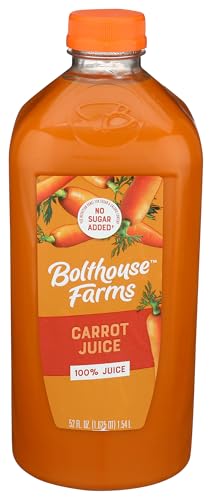
Bolthouse Farms
Bolthouse Farms Vegetable Juice Smoothie, 100% Carrot, 52 fl. oz. Bottle
- 100% pure carrot juice
- 13 Servings of Veggies per Bottle
- Vegan vegetable juice with no added sugars or artificial flavors
If you still want to include some carrot juice, Bolthouse Farms 100% Carrot Juice offers a clean option. It’s pure carrot juice with no added sugars or artificial flavors. One 52 oz bottle contains 13 servings of veggies, so you can measure small portions easily. It’s not a keto cheat code, but it makes portion control straightforward.
Carrot Juice Nutrition: The Carb Reality
Let’s look at the numbers for 8 fluid ounces (240 ml) of plain carrot juice:
- Total carbs: 22 grams
- Sugar: 18 grams
- Fiber: 0 grams (juicing removes the pulp)
- Net carbs: 22 grams
That’s 22 grams of net carbs in one small glass. For strict keto – under 20 grams of net carbs per day – a single 8 oz glass blows your entire budget. Even on a more liberal keto plan (30-50g net carbs), carrot juice eats up more than half your allowance. You’d have almost no room for any other carbs that day.
The problem is the lack of fiber. Whole carrots have about 3 grams of fiber per medium carrot, which reduces net carbs to around 4 grams. But juicing strips that fiber away, leaving pure sugar water. Your body absorbs those carbs fast. Blood sugar spikes, insulin rises, and ketone production drops. That’s the opposite of what you want on keto.
So is carrot juice keto friendly? In standard servings – no. But there is a way to make it work, and it comes down to tiny amounts.
Portion Control: The Only Way
You can fit carrot juice into keto if you treat it like a condiment, not a beverage. A 2 oz portion (about ¼ cup) contains roughly 5.5 grams of net carbs. A 4 oz portion is about 11 grams. Those numbers can work if you keep every other carb that day under 10-15 grams total.
I recommend using a measuring cup or a kitchen scale. Do not rely on ‘splash’ estimates. You’ll pour more than you think. Mix 2 oz of carrot juice with 8 oz of unsweetened almond milk or coconut milk, add some spinach, and a tablespoon of MCT oil. That gives you a keto-friendly smoothie with a hint of sweetness and a fat boost to blunt the glucose spike.
For making these smoothies consistently, a good blender matters. Check out our guide on the best blender for carrot juice if you plan to incorporate it regularly. A blender that handles leafy greens and ice well will make your keto smoothies much easier.
One honest caveat: many people find 2-4 oz of carrot juice unsatisfying. The flavor is mild at that volume, and the carb cost still feels high. You might be better off skipping it entirely and using a pinch of stevia or a few raspberries for sweetness instead.
Carrot Juice vs. Other Juices for Keto
Here’s a comparison of common juices and their keto compatibility. All values are for 8 oz (240 ml) servings.
| Juice Type | Net Carbs (8 oz) | Sugar | Fiber | Keto Score (1-5) |
|---|---|---|---|---|
| Carrot juice | 22g | 18g | 0g | 1 / 5 |
| Celery juice | 3g | 2g | 0g | 5 / 5 |
| Spinach/kale juice | 4g | 1g | 0g | 5 / 5 |
| Cucumber juice | 5g | 3g | 0g | 4 / 5 |
| Lemon/lime juice (diluted) | 4g | 1g | 0g | 4 / 5 |
Celery juice and green juices win for keto. They deliver electrolytes and micronutrients without wrecking your carb budget. Cucumber juice is refreshing and low-carb. Lemon juice works well in small amounts for flavor. Carrot juice sits at the bottom of the list for keto.
Better Alternatives and Practical Swaps
If you want a sweet-tasting juice that’s keto-friendly, try this blend:
- 8 oz cucumber juice (5g net carbs)
- 2 oz lemon juice (2g net carbs)
- 5-10 drops liquid stevia (0g net carbs)
- Pinch of salt
Total: about 7g net carbs. That tastes tangy-sweet and is far better for ketosis than 22g of carrot juice. You can also toss in a handful of fresh mint or basil for complexity.
For those who absolutely must have carrot juice, pair it with fat. Add 1-2 tablespoons of heavy cream or coconut oil to the carrot juice. The fat slows gastric emptying and reduces the blood sugar spike. But – and this is important – it does not reduce the carbs. You still need to count them. Fat only lowers the glycemic impact, not the carb total.
If you are serious about juicing on keto, a decent juicer helps. I’ve tested several models; the Breville juicer reviews on this site cover centrifugal and cold-press options that handle low-carb vegetables well.
Frequently Asked Questions
How many net carbs does carrot juice have?
About 22 grams per 8 ounces. Because juicing removes fiber, net carbs equal total carbs. A 4 oz serving gives you 11 grams. A 2 oz serving gives you 5.5 grams.
Can you drink carrot juice and stay in ketosis?
Only in very small portions – 2 to 4 oz – and only if you keep total daily net carbs under your threshold (usually 20-50 grams). Even then, test your blood ketones to confirm. Many people find that even small amounts knock them out of ketosis due to the rapid sugar absorption.
Is carrot juice better than whole carrots for keto?
No. Whole carrots have fiber, which lowers net carbs per gram. One medium carrot (61g) has about 4g net carbs. The same weight of carrot juice has about 5.5g net carbs. Whole carrots also take longer to chew and digest, causing a slower blood sugar rise. Whole carrots are the smarter choice for keto.
Does carrot juice spike blood sugar?
Yes. Carrot juice has a glycemic load of around 10-12 per 8 oz. That’s moderate-high. Without fiber, the sugar enters your bloodstream quickly. Diabetics and prediabetics should avoid carrot juice entirely or limit to a 1-2 oz splash with a fatty meal.
What is the best keto-friendly carrot juice alternative?
Celery juice is the top pick – 3g net carbs per 8 oz, rich in electrolytes, and mild in taste. Cucumber juice with a squeeze of lemon and stevia comes close. If you want a ‘green carrot’ substitute, try juicing zucchini or bell peppers with a small piece of carrot for flavor.
What To Do Next
- Measure your carrot juice with an actual measuring cup, not your eyes.
- Limit to 2-4 oz per day and count those carbs toward your total.
- Always pair carrot juice with a source of fat (MCT oil, cream, avocado) to slow sugar absorption.
- Consider replacing carrot juice with celery or cucumber juice for a nearly carb-free option.
- Test your ketones after drinking carrot juice to see how your body responds.
- If you buy bottled carrot juice like Bolthouse Farms, stick to the 2 oz serving line and treat it as a flavoring, not a drink.
- When in doubt, eat the whole carrot instead – you’ll get more fiber and fewer net carbs per bite.