
Top 5 Meat Grinders That Grind Bones and Transform Your Cooking
You just finished deboning a whole chicken. The meat is marinating, and you stare at a pile of bones. Most people toss them. But if you own a meat grinder that can handle bones, those bones become chicken patties, burger mix, or raw dog food. That’s not just thrifty — it’s smart cooking.
This article walks you through exactly what a bone-capable grinder needs, what features actually matter, and how to choose one that won’t burn out after three uses. You’ll understand the difference between a grinder that merely claims ‘bone capable’ and one that truly handles the job.
STX INTERNATIONAL
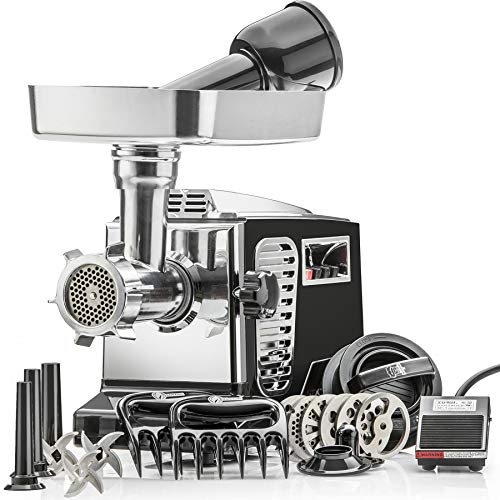
STX International Turboforce II 4000 Electric Meat Grinder | Grinds Soft Bones | Foot Pedal | 6 Grinding Plates | Stainless Steel Blades | Sausage Tubes | Kubbe Maker | Meat Claws | Patty Press & More
- The STX International Turboforce II (Patented Air Cooled) Complete Home Grinding Package features a Heavy Duty 2000 Maximum Watt E…
- The Patented Quad Air Induction Cooling System Features a Locked Motor Wattage of 2000 Watts and a Circuit Breaker for Safety. Thi…
- Combining the Meat Auger with AVI (Advanced Variable Intake) Technology and the High Volume Feeder Tray which easily allows for gr…
One model that does the job well is the STX International Turboforce II 4000. It’s a size No.12 grinder with a 2026-watt locked motor and a patented cooling system. That combination lets it grind soft bones like chicken and rabbit without overheating. You can check the current price on Amazon if it sounds like what you need.
Why Grinding Bones Yourself Makes Sense
Grinding bones at home saves money. A pound of pre-ground chicken or turkey with bone-in costs $3–$4 at the store. Whole chickens run about $1.50 a pound. Grind the carcass yourself, and you keep the savings.
You also control the grind size. Fine for sausages, coarse for chunky patties, medium for dog food. No guessing what’s in the package. And you know the meat is fresh — you just cooked it.
For pet owners, raw feeding with ground bone is a game changer. Dogs need calcium and phosphorus from bone, but whole bones can crack teeth. A meat grinder that grinds bones lets you add finely ground bone to their meals. You control the ratio and avoid synthetic supplements.
What Separates a Bone-Capable Grinder from a Regular One
Not every grinder can handle bones. A cheap $50 unit from a department store will strip its gears on a chicken wing. Here’s what actually matters.
Motor Power and Type
Look for a locked motor wattage above 1500 watts. The STX Turboforce II runs 2026 watts locked — that’s real power, not peak marketing numbers. A gear-driven transmission handles torque better than belt-driven designs. Gears don’t slip when you push a rib cage through.
Cooling System
Grinding bones generates heat. Heat degrades meat and can damage the motor. The STX uses a Quad Air Induction Cooling system — think of it like a radiator for your grinder. It pulls cool air through the motor housing while hot air escapes. Without good cooling, you’ll be stopping every 5 minutes to let the machine rest.
Grinder Size (Plate Diameter)
Grinders come in sizes #5, #8, #12, and up. The number refers to the diameter of the grinding plate. A #12 plate is 2.5 inches across. Bigger plates mean faster throughput. The STX is a #12. Smaller grinders (#5 or #8) struggle with bone because the meat has to pass through a smaller opening, increasing resistance and heat.
Materials
The cutting blade and grinding plates should be stainless steel. Stainless resists corrosion and stays sharp. The STX includes three 304-grade stainless blades and five plate sizes. The grinding head should be aluminum or stainless. Aluminum is lighter and conducts cold well, which helps keep the meat cool.
How to Pick the Right Grinder for Your Kitchen
Your choice depends on how much you grind and how often. Here’s a table comparing the main categories.
| Feature | Why It Matters | STX Turboforce II (Heavy Home) |
|---|---|---|
| Locked motor wattage | Real sustained power for bones | 2026 watts |
| Cooling system | Prevents overheating during long runs | Quad Air Induction (patented) |
| Grinder size | Throughput speed and bone capacity | No. 12 (2.5-inch plate) |
| Grinding head material | Durability and heat management | Polished aluminum |
| Blades/plates included | Versatility for different textures | 3 blades, 5 plates, sausage tubes, kubbe maker |
| Foot pedal | Hands-free control for constant feeding | Yes |
| Bone capability | Soft bones (chicken, rabbit, quail) | Yes |
A home grinder at this level handles 220–260 pounds per hour — more than enough for a family or small homestead. If you only grind once a month, you might get away with a smaller unit. But if you plan to grind a whole deer or several chickens each week, invest in a #12 with a good cooling system.
For commercial-level output, look at commercial bone grinder models, but for most homes the STX is the sweet spot.
Frequently Asked Questions
Can I grind beef bones in a home grinder?
No. Most home grinders, including the STX, are designed for soft bones only — chicken, rabbit, quail, small turkey parts. Beef leg bones are too dense. They’ll damage the blades and motor. Stick to poultry and small game. If you need to grind beef bones, you need a dedicated industrial machine.
What’s the difference between a size #5 and #12 grinder?
Size #5 has a 2-inch grinding plate. #12 has a 2.5-inch plate. That half inch matters. A larger plate means meat moves through faster with less resistance, so the motor doesn’t work as hard. For bones, always go with a #12 or larger. Smaller sizes overheat quickly.
How do I keep the grinder from overheating?
First, chill the meat and bones before grinding — 30 minutes in the freezer works. Second, don’t overload the feed tray. Push meat steadily, not fast. Third, use short bursts if your grinder doesn’t have active cooling. With a cooled model like the STX, you can run continuously for longer periods, but still take a minute break every 5–10 pounds.
Is a foot pedal really useful?
Yes, more than you’d think. When you’re feeding meat with one hand and pushing with a tamper, you don’t want to reach for an on/off switch. A foot pedal lets you control the power without taking your hands off the tray. The STX includes one, and it’s one of those features you’ll wonder how you lived without.
Do I need to debone poultry before grinding?
You can grind whole chicken pieces, but it’s better to debone first and grind the bones separately. Bones are hard on the blade, so grinding a whole carcass with meat on it means more passes. Instead, pull the meat off, grind it fine, then grind the bones on a coarse plate. You can mix them back together. This also gives you control over the bone-to-meat ratio, especially for raw dog food grinder recipes.
What to Take Away from This Guide
- Only grind soft bones (chicken, rabbit, quail) in a home grinder. Beef and pork leg bones require commercial equipment.
- Locked motor wattage matters more than peak wattage. Look for at least 1500 watts locked, preferably 2026.
- A cooling system isn’t a gimmick. Without it, you’ll burn out a motor within a year if you grind regularly.
- Go with a size #12 grinder. Smaller sizes overheat and take too long.
- Stainless steel blades and plates resist corrosion and stay sharp longer than cheap plated steel.
- A foot pedal makes single-person operation much easier. Don’t skip it.
- Check the warranty. The STX comes with a 3-year warranty, which tells you the company stands behind the build.