What Happens If We Apply Beetroot Juice On Hair?
You’ve seen the social media posts: women pouring deep crimson beet juice over their scalps, promising hair growth, thickness, and a natural red tint. Maybe you’ve even tried it yourself—wiping a wet paper towel across your forehead the next morning, only to find pink stains you can’t scrub off. Beetroot juice for hair is one of those home remedies that sounds too good to be true. And in many ways, it is.
This article separates the real effects from the hype. You’ll learn what beetroot juice actually does to your hair and scalp, what it absolutely cannot do, and whether the risks are worth the effort. I’ll also cover the practical steps to apply it safely, along with a few honest caveats most beauty blogs skip.

Juice Performer
Juice Performer Beet Juice with Pineapple Juice…
PERFORMANCE-ENHANCING BODY FUEL: Juice Performer will be your new favorite everyday all-natural pre-workout drink. Just drink 1-2 of our convenient, portable cans 2 hours before athletic performance to help improve stamina and help build muscle. You can't beet that!
See on AmazonBefore we dive into the topical side, here’s a quick note on the internal route. Drinking beet juice improves circulation thanks to its high nitrate content—circulation that feeds hair follicles. Juice Performer Beet Juice with Pineapple Juice is a 100% natural, no-added-sugar option that delivers those nitrates in a form athletes already use for stamina and recovery. Better blood flow to the scalp can support hair health over time, so drinking it is a smart complement to any topical routine. Check the current price on Amazon if you want to try the internal approach.
Myth 1: Beetroot Juice Permanently Dyes Hair Red
This is the most common reason people reach for a beet. They want a natural, chemical-free hair dye that turns their hair a rich burgundy. It does not work that way.
Beetroot juice contains betalains, water-soluble pigments that stain porous materials. Your hair cuticle, if raised or damaged, will absorb some of that pigment—but the color is temporary and washes out after one to three shampoos. It behaves exactly like a food coloring, not a permanent dye.
On very light or bleached hair, the stain might last a bit longer, but it will fade unevenly and leave brassy tones. On dark hair, you won’t see any color change at all. The red you get on your hands while juicing? That’s the same effect on your hair. A temporary, messy tint that fades fast.
If you want a lasting red hue, henna or chemical dyes are the only reliable options. Beetroot juice is a stain, not a dye.
Myth 2: Beetroot Juice Stimulates Major Hair Growth
This one has a subtler truth buried inside the hype. Beets are rich in nitrates, which the body converts to nitric oxide—a molecule that dilates blood vessels and improves circulation. Better blood flow to the scalp could theoretically deliver more oxygen and nutrients to hair follicles. That logic holds up.
But here’s the catch: applying beetroot juice topically does not reliably deliver those nitrates to the follicle roots. The skin on your scalp is a barrier. While some compounds penetrate, the amount that reaches the dermal papilla (the part that controls growth) is probably too small to matter. The nitric oxide pathway works best when you drink the juice, not when you rub it on your skin.
A few small animal studies showed modest hair regrowth with topical beet extract, but human trials are scarce and results inconsistent. Beetroot juice is not a substitute for proven treatments like minoxidil or for addressing deficiencies in iron, vitamin D, or biotin. If your hair loss is genetic or hormonal, beet juice won’t reverse it.
Table: Beetroot Juice vs. Other Natural Hair Treatments
The table below compares beetroot juice to three common natural scalp treatments. Use it to decide which fits your needs.
| Treatment | Primary Benefit | Staining? | Evidence Level | Best For |
|---|---|---|---|---|
| Beetroot Juice | Temporary red tint, mild scalp cooling | Yes (temporary) | Weak (anecdotal) | Fun color experiment on light hair |
| Henna | Permanent red-to-brown dye, strengthens hair | Yes (permanent) | Strong (traditional use) | Natural red-brown hair dye |
| Amla Oil | Hair growth stimulation, scalp health | No | Moderate (some studies) | Reducing shedding, premature graying |
| Rosemary Water | Scalp circulation, dandruff control | No | Moderate (animal + human) | Improving hair thickness over time |
Beetroot juice ranks low on evidence and high on mess. That doesn’t make it useless, but it’s not a miracle worker.
How to Apply Beetroot Juice on Hair Safely
If you still want to try it—and I don’t blame the curious—here is a method that minimizes damage and staining.
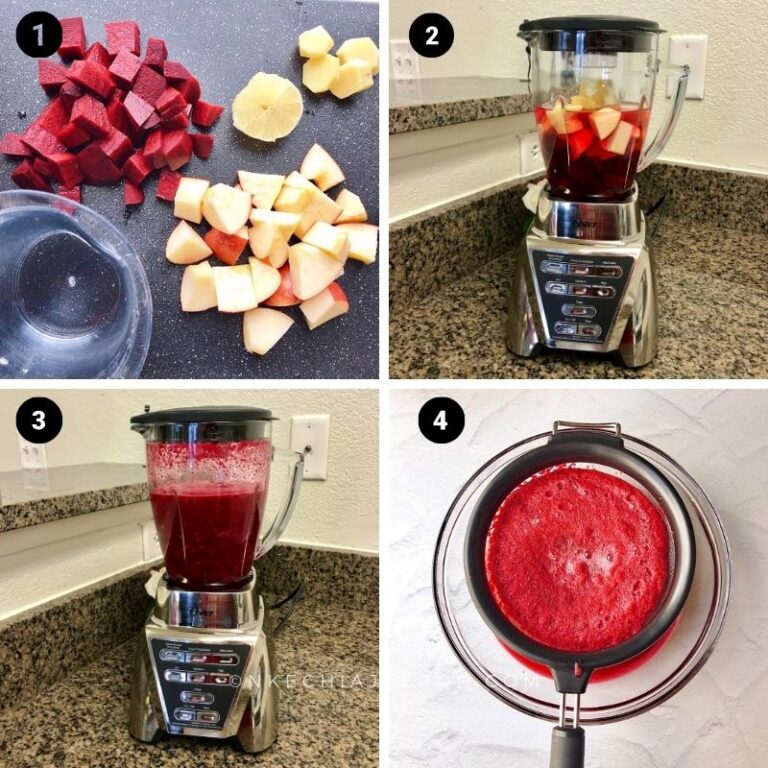
- Juice fresh beets or use a high-quality bottled beet juice (check the label for no preservatives). Strain through a fine sieve to remove fibers that tangle hair.
- Dilute the juice with equal parts water or a carrier liquid like coconut milk. Pure beet juice is acidic (pH around 5.5) and can irritate sensitive scalps.
- Apply to damp hair with a spray bottle or a brush. Focus on the scalp first, then work through the lengths if you want a tint.
- Massage for 2–3 minutes to stimulate blood flow. Leave on for 30–60 minutes.
- Rinse with cool water. Do not shampoo immediately—let the residue settle for a few hours if you want the stain to hold longer.
- Expect pink hands, pink towels, and pink pillowcases for at least one night. Wear gloves, use a dark towel, and protect surfaces.
One real downside: the sugar in beet juice can feed yeast on your scalp. If you are prone to seborrheic dermatitis or fungal dandruff, beetroot juice may make it worse. Rinse thoroughly and dry your scalp completely.
Frequently Asked Questions
Does beetroot juice make hair grow faster?
No reliable evidence shows topical beetroot juice accelerates human hair growth. Drinking it may help by improving circulation, but the effect on hair is indirect and modest at best.
Can beetroot juice turn gray hair back to its original color?
No. Gray hair lacks melanin, and beetroot juice cannot restore pigment. It may impart a temporary pink or red stain, but that washes out quickly. For long-term coverage, use a dye.
Is it safe to apply beetroot juice on colored or chemically treated hair?
Generally yes, but betalains can interact with hair dye residues. On porous chemically treated hair, the stain may be uneven or last longer than expected—still temporary, but more stubborn. Do a strand test first.
What happens if you leave beetroot juice on hair overnight?
You risk scalp irritation, a stronger stain, and a major mess. The stain will not become permanent. The juice can also dry on your pillowcase and leave crusty red marks that are hard to remove. Stick to 30–60 minutes.
Does beetroot juice cause hair loss?
It does not cause hair loss in most people. However, if you have a contact allergy or apply it repeatedly without rinsing, the acidity can dry out the scalp and cause breakage along the hair shaft. Discontinue use if you notice itching or flaking.
What To Actually Do With Beetroot Juice For Hair
- Use beetroot juice only for a temporary red tint on light or bleached hair—expect it to fade within three washes.
- Do not rely on it for hair growth; drink beet juice (like drinking tomato juice for circulation) if you want internal benefits.
- Always dilute with water or a carrier to avoid scalp irritation.
- Protect everything—beet juice stains fabric and skin in seconds.
- Skip it if you have fungal dandruff or a sensitive scalp; sugar and acidity can worsen both.
- Consider better-proven natural options like rosemary water or amla oil for actual scalp health.
- If you want to juice fresh beets at home, a reliable cabbage juice juicer handles beets well—just rinse the pulp quickly to prevent pink buildup.