
Effortlessly Extract Ginger Juice: A Step-by-Step Guide
You bought a beautiful knob of ginger for a recipe, and now it’s sitting in the crisper drawer turning into a shriveled husk. We’ve all been there. Fresh ginger juice is a game-changer for stir-fries, marinades, salad dressings, and morning shots, but getting the liquid out without a giant mess feels like a chore. The good news? It doesn’t have to be.
This guide walks you through every practical way to get ginger juice out of the root, from a dedicated juicer to a simple hand grater. You’ll learn the exact prep steps, the yield you can expect from each method, and the mistakes that ruin a batch. By the end, you’ll have a method that fits your kitchen and your patience level.

Ninja
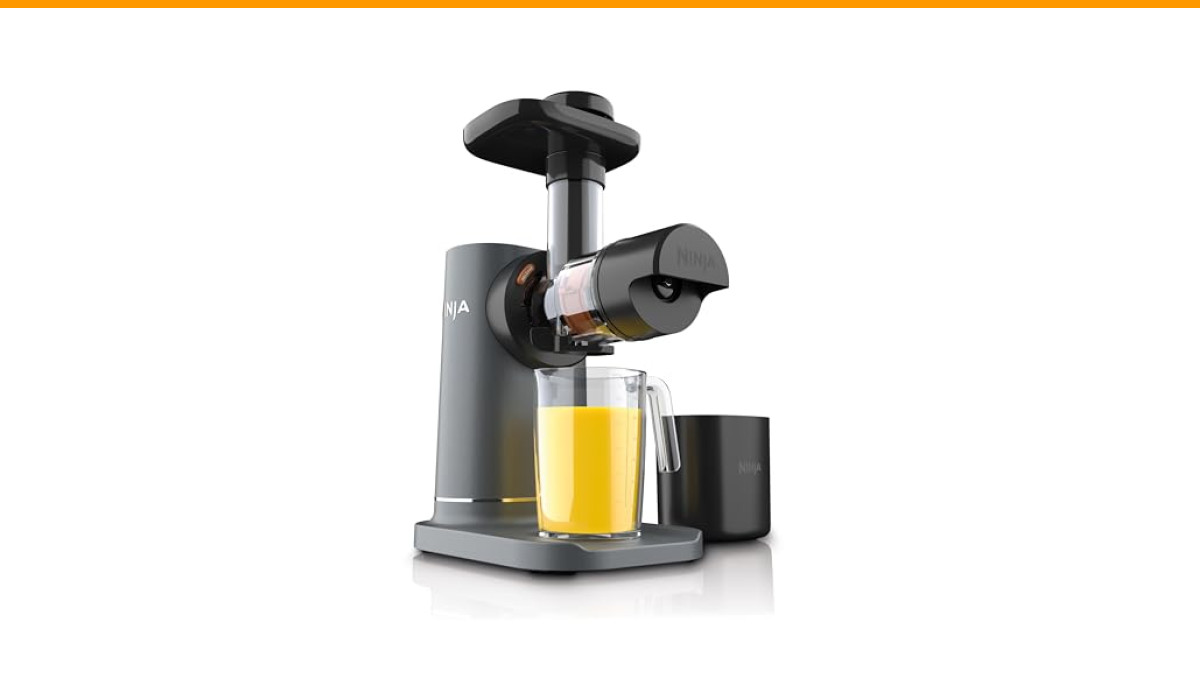
Ninja NeverClog Cold Press Juicer, 24oz Jug, 36oz Pulp, Charcoal, JC151 | 150W high-torque auger juices fibrous fruits & veggies. Total Pulp Control, 2 one-touch programs. Dishwasher safe.
- NON-STOP JUICING: This powerful masticating juicer’s high-torque motor powers through tough fruits and vegetables like apples, car…
- CUSTOMIZE & CONTROL PULP: Includes 2 interchangeable pulp filters so you can choose Less Pulp or Lots of Pulp, giving you full con…
- SIMPLE ONE-TOUCH PROGRAMS: Easy operation with 2 convenient programs: Start/Stop and Reverse. Reverse function helps reduce jams a…
If you plan to juice ginger regularly, a masticating juicer makes the job almost effortless. The Ninja NeverClog Cold Press Juicer handles fibrous ginger root without jamming, thanks to its high-torque motor and reverse function. It’s a solid pick if you want to move past hand-grating.
Why Ginger Juice Is Tricky (And How to Win)
Ginger root is tough. It’s packed with dense fiber, and that fiber holds onto the juice like a stubborn sponge. A centrifugal juicer spins fast and often shreds the ginger into a dry pulp while leaving half the liquid behind. A masticating juicer crushes the root slowly, squeezing out more juice per pound.
The other challenge is portion size. Most recipes call for a tablespoon or two of ginger juice, not a full glass. Juicing one small knob in a large machine feels wasteful. That’s why your method should match your volume.
Here’s a quick comparison of the main approaches:
| Method | Yield per 100g fresh ginger | Prep time | Cleanup effort | Best for |
|---|---|---|---|---|
| Masticating juicer | 70–80 ml | 5 minutes | Medium (disassemble and rinse) | Weekly batches, large quantities |
| Blender + strainer | 60–70 ml | 10 minutes | Medium (blender plus cheesecloth) | Medium batches, already have a blender |
| Hand grater + squeeze | 50–60 ml | 10 minutes | Low (grater and bowl) | Small amounts, occasional use |
| Garlic press | 40–50 ml | 5 minutes | Very low | Tiny amounts, one recipe |
The yield numbers above assume fresh, firm ginger. Older ginger with wrinkled skin yields less. No method gets every drop, so don’t chase perfection.
Prep Work: Do This Before You Squeeze Anything
Skip the prep and you’ll get bitter, stringy juice. Here’s what to do first.
- Peel the ginger. Use a spoon to scrape off the skin. A vegetable peeler takes too much flesh. The skin is edible but adds a woody taste and extra fiber.
- Cut into small pieces. For a juicer, cut into 1-inch chunks. For a blender, smaller is better, about 1/2-inch cubes. Smaller pieces mean more surface area and higher yield.
- Pat dry. Wet ginger makes the juice watery and dilutes the flavor. Dry it with a clean towel after washing.
- Freeze for later (optional). Frozen ginger grates more easily and releases juice faster. Pop peeled chunks in a freezer bag and use them straight from the freezer.
One more trick: if your ginger is old and fibrous, cut it against the grain. Look at the cut end of the root. The fibers run lengthwise, so slice across them to shorten the strands. That makes the pulp easier to strain.
Method 1: Using a Masticating Juicer (Best for Big Batches)
This is the easiest route if you already own a cold press juicer or plan to buy one. The slow auger crushes the ginger rather than shredding it, which keeps the juice bright and prevents clogging.
- Assemble the juicer with the fine mesh strainer for less pulp.
- Feed the peeled ginger chunks one at a time. Don’t overload the chute.
- Use the reverse function if the auger stalls. Run it in reverse for a few seconds, then forward again.
- Collect the juice in the jug. Stir it before measuring because the sediment settles fast.
The ginger juicing guide on our site covers this process in more detail, including how to clean the auger properly.
One caveat: the pulp comes out fairly dry, which is great, but the juice will have a thin layer of foam. Let it sit for a minute and skim it off if you care about appearance. The foam tastes fine, so don’t stress.
Method 2: Blender and Cheesecloth (No Juicer Required)
You don’t need a dedicated juicer. A standard blender does the job, but you have to strain the pulp thoroughly.
- Add peeled, chopped ginger to the blender. Use about 1 cup of ginger pieces.
- Add 2–3 tablespoons of water. This helps the blades move and releases the juice. Too much water makes the final product weak.
- Blend on high for 30–45 seconds. You want a fine paste, not a chunky mess.
- Pour the paste into a cheesecloth or a nut milk bag.
- Squeeze firmly over a bowl. Twist the cloth and press hard. You’ll get most of the liquid in the first squeeze, but keep going until only dry pulp remains.
This method works well, but the cleanup is the downside. Cheesecloth stains and needs a thorough rinse. The blender jar also picks up ginger’s oily residue. Wash it immediately with hot soapy water or the smell lingers.
For a blender-based approach with more detail, check out our blender ginger juice tutorial.
Method 3: Hand Grater and Squeeze (For Tiny Amounts)
When you need one tablespoon for a marinade, dragging out a juicer is overkill. A fine microplane or box grater does the job in minutes.
- Peel a small knob of ginger, about the size of your thumb.
- Grate it over a bowl using the fine holes. You’ll get a wet, fibrous mush.
- Pick up the mush with your hand and squeeze it over the bowl. The juice drips out, leaving dry-ish fiber behind.
- Scrape the collected juice into a spoon or small dish.
You’ll get about a teaspoon of juice from a thumb-sized piece. That’s enough for most recipes. The downside is the grating motion takes a few minutes and your hand gets tired. Also, the fibers can poke through the grated mush, so squeeze carefully or you’ll get stringy bits in the juice.
If you have a garlic press, you can skip the grater. Peel the ginger, cut it into chunks that fit the press, and squeeze. The juice comes out the holes and the fiber stays inside. It’s the fastest method for a single teaspoon, but the press is hard to clean afterward.
Common Mistakes That Ruin Ginger Juice
Three errors cause most failures. Avoid them and your juice will taste clean and fresh.
Mistake 1: Not peeling thoroughly. Leftover skin adds a bitter, earthy note. It also dulls the bright, sharp flavor you want. Spend the extra minute with the spoon.
Mistake 2: Using old, shriveled ginger. Fresh ginger is juicy and firm. Old ginger is dry and woody. If the root bends instead of snapping, it’s past its prime. Buy firm, smooth-skinned ginger and use it within a week.
Mistake 3: Adding too much water. In a blender, water helps extraction, but too much turns your juice into weak ginger water. Start with one tablespoon per cup of chopped ginger. You can always add more if the blender struggles.
One more thing: don’t throw away the pulp. It still has flavor and fiber. Use it in tea, soups, or compost it. The no-juicer methods on our site show you how to get the most from your ginger.
How to Store Fresh Ginger Juice
Fresh ginger juice lasts about 5–7 days in the fridge. Store it in a glass jar with a tight lid. The juice separates, so shake it before use.
For longer storage, freeze it. Pour the juice into an ice cube tray. Each cube is roughly one tablespoon. Once frozen, pop them into a freezer bag. Frozen ginger juice keeps for 3 months without losing much punch.
Don’t leave ginger juice at room temperature for more than two hours. It’s a fresh product with no preservatives, so it spoils quickly.
If you notice a sour smell or cloudy appearance beyond normal sediment, toss it. Trust your nose.
Frequently Asked Questions
Do I need to peel ginger before juicing?
Yes, for the best taste. The skin is thin but contains bitter compounds. Peeling with a spoon removes just the skin and keeps the flesh intact. If you’re in a hurry, you can scrub the ginger well and juice it unpeeled, but expect a slightly harsher flavor.
Can I juice ginger with a centrifugal juicer?
You can, but the yield is lower. Centrifugal juicers spin at high speed and the ginger’s fibrous pulp can wrap around the shredder disc. You’ll get about 50% less juice compared to a masticating juicer. If that’s all you have, cut the ginger into small pieces and feed it slowly.
How much ginger juice does one root produce?
A typical 100-gram knob of ginger (about the size of your palm) yields 60–80 ml of juice, depending on the method. That’s about 4–5 tablespoons. A masticating juicer gives the highest yield, while a hand grater gives the least.
What can I do with the leftover ginger pulp?
The pulp isn’t useless. Add it to stir-fries, soups, or smoothies for extra fiber and a mild ginger kick. You can also steep it in hot water for ginger tea. Or dry it in a low oven and grind it into ginger powder.
Is ginger juice the same as ginger shots?
No. Ginger shots are usually diluted with lemon juice, apple juice, or water and often include other ingredients like turmeric or cayenne. Pure ginger juice is concentrated and very strong. Start with a teaspoon if you’re new to it.
What to Remember Next Time
- Peel with a spoon, not a peeler, to save flesh.
- Cut ginger across the grain to shorten fibers and improve yield.
- A masticating juicer gives the highest yield and least clogging.
- A blender with cheesecloth works fine for medium batches.
- A hand grater is perfect for a single tablespoon, no machine needed.
- Store juice in the fridge for up to a week or freeze in ice cube trays.
- Don’t toss the pulp; use it in tea, soups, or compost.
Pick the method that matches your batch size. For a quick dinner marinade, grate by hand. For Sunday meal prep, bust out the juicer. Either way, fresh ginger juice beats the bottled stuff every time.