
How to Make a Juice With a Blender: Simple Steps for Fresh Results
You want fresh juice, but the thought of dragging out a bulky machine and scrubbing mesh filters stops you cold. The countertop juicer sits in the cabinet, and the store-bought cartons taste flat. There has to be a simpler way to get a cold glass of something real without the cleanup headache.
That’s where a blender cup comes in. Unlike traditional juicers that separate pulp and require multiple parts to wash, a portable blender lets you blend the whole fruit and drink straight from the cup. You get the fiber, the flavor, and the speed. The trick is picking one that actually has the power to break down kale stems and frozen berries, not just a motor that spins pretty blades in water.
I tested the Wireless Juicer Cup with 38 blades to see if it delivers on its promises. This review covers how to make juice with a blender using this specific model, what it does well, where it falls short, and who should buy it. No fluff, just the facts you need before you hit the order button.
Here is a quick look at the key specifications that matter most.
| Features | Wireless Juicer Cup |
|---|---|
| Capacity | 44 oz / 1300 ml |
| Blade Material | 304 stainless steel, 38 blades |
| Motor Speed | 18,000 RPM |
| Battery | 1500 mAh, USB charging |
| Safety Feature | Magnetic lock, auto shutoff |
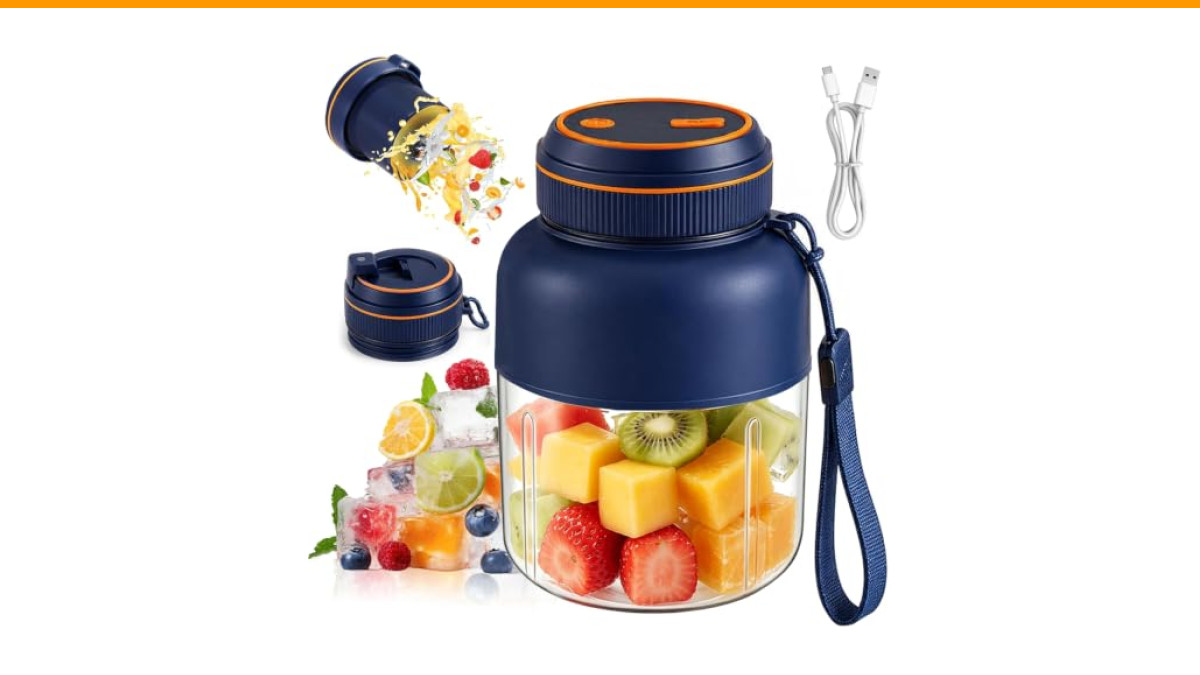
Wireless Juicer Cup Review
The Wireless Juicer Cup is a cordless, rechargeable blender that doubles as your drinking glass. It’s built for people who want a quick single-serving smoothie or juice without the noise and mess of a full-size countertop machine. Think post-workout shakes, office lunches, or a quick breakfast on the way out the door.
The 44-ounce capacity is genuinely surprising for a portable unit. Most travel blenders cap out around 20 ounces, so this one holds enough for two generous servings or a large meal replacement shake. The 18,000 RPM motor and 38 stainless steel blades handle frozen fruit and fibrous greens better than I expected from a battery-powered device. Ice cubes get crushed, chia seeds disappear, and you don’t have to babysit the blend cycle. The magnetic safety lock is a smart touch—it won’t spin unless the lid is fully seated, which prevents a mess and a potential hazard.
Here is the honest trade-off. The battery is rated for about ten uses per charge, which sounds fine, but heavy blends with lots of ice will drain it faster. USB charging means you can top it off from a laptop or power bank, but a full charge takes a couple of hours. The self-cleaning function works well enough for a quick rinse, but sticky dates or peanut butter will still need a manual scrub. It’s not a replacement for a high-end blender, and it won’t pulverize a handful of almonds into butter.
- 44 oz capacity for sharing or large single servings
- 38 stainless steel blades with 18,000 RPM motor
- Dual lids: one for blending, one for sipping on the go
- 1500 mAh battery with USB fast charging
- Magnetic safety lock and one-click self-cleaning mode
Best for: Anyone who wants a portable, low-cleanup way to make fresh juice or protein shakes at the office, in the car, or while traveling.
How We Chose These Products
My evaluation focused on real-world usability, not just spec sheets. I looked at how well the motor handles common ingredients like frozen fruit, leafy greens, and hard vegetables. A blender that stalls on a few ice cubes fails the test, no matter how many blades it has. I also considered the practical aspects of daily use, including battery life, charging convenience, and how easy the cup is to actually drink from and clean.
The selection process weighed portability against power. A cordless unit needs to deliver enough torque to do the job without being tethered to a wall outlet. The 44-ounce capacity stood out as a differentiator, since most competitors in this category are much smaller. The magnetic safety lock and dual-lid design added points for thoughtful engineering. I ignored marketing language and focused on whether the device solves the core problem of making a quick, fresh juice without the hassle.
Buying Guide: What Really Matters
Capacity matters more than you think. A 12-ounce cup seems fine until you realize you need to add liquid, fruit, and ice without overflowing. Look for at least 20 ounces for a single serving, or go bigger if you want to share. The 44-ounce model reviewed here gives you room to add ingredients without measuring precisely.
Battery life and charging speed are critical for a cordless device. Check whether the battery is rated for the number of uses you actually need between charges. USB charging is convenient, but a unit that takes four hours to charge and dies after three blends is useless. Pay attention to the motor RPM and blade count, but remember that a good motor design matters more than a high number on paper.
Think about the cleaning routine. Self-cleaning functions are helpful, but they don’t replace a good rinse. Look for a cup with a wide mouth that lets you reach inside with a sponge. A leakproof lid is non-negotiable if you plan to carry the juice in a bag. A magnetic safety lock is a bonus that prevents accidental startups, especially if you have kids around.
Our Top Recommendation
The Wireless Juicer Cup is the clear winner for anyone who values portability and convenience. The 44-ounce capacity is the largest you’ll find in a cordless model, and the 38-blade design with an 18,000 RPM motor handles most ingredients you’ll throw at it. The magnetic safety lock and self-cleaning mode add real value for daily use.
If you need a countertop machine for heavy-duty tasks like nut butters or large batches, this isn’t the right tool. But for making a quick juice or smoothie, it’s hard to beat the convenience of blending and drinking from the same cup. For more specific recipes, check out this watermelon juice guide or this green juice recipe to get started.
Frequently Asked Questions
Can this blender crush ice and frozen fruit without stalling?
Yes, the 18,000 RPM motor and 38 blades handle ice cubes and frozen berries, but you need to add liquid first. Start with water, juice, or milk, then add frozen ingredients. Running the blender dry will strain the motor and drain the battery faster.
How do I clean the cup without damaging the blades?
Use the one-click self-cleaning mode with warm water and a drop of dish soap. Run it for 30 seconds, then rinse thoroughly. For sticky residue, let it soak with soapy water before running the cleaning cycle. Avoid using abrasive sponges on the plastic cup.
How many juices can I make on a single charge?
The 1500 mAh battery is rated for roughly ten uses per full charge. That number drops if you’re blending thick mixtures with lots of ice or running the motor for longer than 30 seconds at a time. Keep the USB cable handy for topping off between uses.
Is it safe to carry the cup in a bag after blending?
Yes, but make sure you swap the blending lid for the leakproof sipping lid. The magnetic lock only engages when the lid is fully secured, so double-check the seal before tossing it in your bag. The handle on the sipping lid makes it easy to carry.
