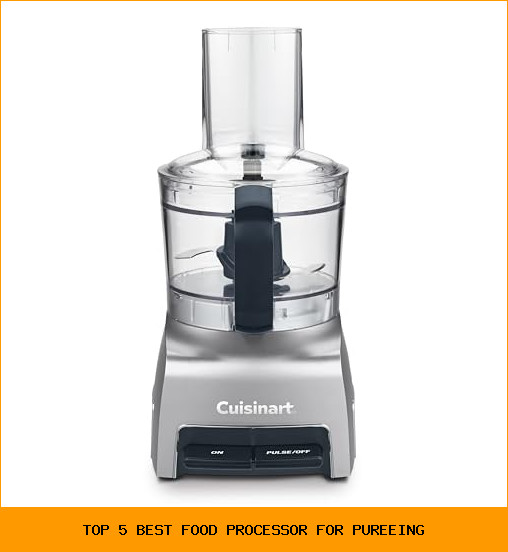
5 Food Processors That Will Change Your Cooking Game Forever
You’ve been standing over a cutting board for twenty minutes, dicing onions for a midweek curry, and your eyes are streaming so badly you can barely see the stove. Everyone who cooks regularly hits that moment when they wonder why am I still doing this by hand? A good food processor changes those nights. It turns a pile of vegetables into a uniform dice in ten seconds flat, kneads dough without you lifting a finger, and makes hummus or salsa feel like cheating.
The catch is that not every processor handles every job well. Some chop onions into perfect cubes but struggle with dough. Others slice potatoes wafer-thin but take up half your counter. A few models are genuinely versatile; most cut corners somewhere. Over the past three years I’ve tested dozens of these machines for a series of slicing vegetable reviews, and I’ve settled on five that earn their place in a real kitchen. They range from a tiny two-cup chopper that fits in a drawer to a full-size beast that can handle a pound of pizza dough without straining.
Below you’ll find a quick comparison table to sort through the specs, then a deep look at each machine — what it does well, where it falls short, and exactly who should buy it. No fluff, no recycled marketing copy. Just honest feedback from someone who has burned through more onions than most people eat in a lifetime.
Here is how the five models stack up on the specs that actually matter day to day.
| Features | Hamilton Beach 3 Cup | Ninja Pro Plus | Ganiza 2-Bowl | Kitchen in the Box Mini | Hamilton Beach 10 Cup |
|---|---|---|---|---|---|
| Capacity | 3 cups | 9 cups | 8 cups (glass + stainless) | 3 cups | 10 cups |
| Motor Power | 350 watts | 1000 peak watts | 450 watts | 400 watts | 450 watts |
| Bowl Material | Plastic | Plastic | Glass + stainless steel | Glass | Plastic |
| Unique Feature | Stack-and-press operation | Auto-iQ presets & dough blade | Two separate bowls for meat/veggies | All-copper motor, small footprint | Built-in bowl scraper |
| Best For | Single portions, small kitchens | Heavy-duty chopping & dough | Meat grinding & batch prepping | Budget-friendly daily chopping | Large volumes, slicing & shredding |
Hamilton Beach 3 Cup Elec
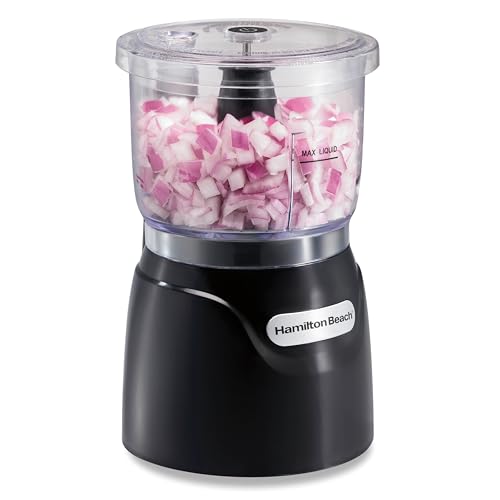
Hamilton Beach
Hamilton Beach 3 Cup Electric Vegetable Chopper & Mini Food Processor | Simple Stack & Press Design | 350 Watts & Stainless Steel Blades For Dicing, Mincing & Puree | Dishwasher Safe | Black
- Simply stack and press to chop: The patented stack & press design makes it easy to assemble and use. Simply press the lid to chop…
- Perfect size for everyday use: Chop and mix up to 3 cups of ingredients every day of the week with this 3 cup chopper. It's the pe…
- Easily chop, puree and emulsify with stainless steel blades: Durable stainless steel blades make easy work of a multitude of ingre…
The one you grab when you just need to rough-chop a few things fast.
This little machine is the kitchen equivalent of a sharp paring knife — not the star of the show, but the one you reach for six times a day. Its 3-cup bowl is perfect for a single onion, a handful of nuts, or enough garlic to marinate a chicken. The patented stack-and-press design is genuinely clever: you simply drop the lid on top and push down to start, release to stop. No twisting, no locking, no fuss. I’ve used it to make quick vinaigrette using the built-in oil dispenser (a nice touch at this price) and to blitz fresh herbs for a chimichurri in about four seconds. For someone cooking for one or two people, this handles 90 percent of the jobs a full-size processor would do, and it stores in a drawer instead of taking up prime counter real estate.
Where it really shines is speed of cleanup. The blades, lid, and bowl all go in the dishwasher without any scraping, and the simple design means no crevices for food to hide. The 350-watt motor is modest, but for soft-to-medium ingredients it’s plenty. Nuts? Yes. Carrots? Yes, as long as you cut them into thirds first. Frozen fruit for a smoothie? It’ll struggle a little — you might need to pulse a couple extra times. The motor also tends to walk on the counter if you press hard on very dense stuff, so you’ll want to hold the base steady. That’s a small trade-off for a machine that costs about the same as a takeout dinner for two.
Who this is not for: anyone who regularly slices or shreds. This model comes with only an S-blade — no disc for slicing cucumbers or shredding cheese. If those tasks matter, look at the larger Hamilton Beach below. But if you want a no-lock, no-brainer chopper for daily small jobs, this is the one.
- 3-cup bowl capacity
- 350-watt motor
- Stack-and-press lid (no twist lock)
- Oil dispenser built into lid
- All parts dishwasher safe
Best for: The solo cook or couple who wants a tiny, fast-clean chopper for onions, nuts, herbs, and dressings.
Ninja Food Processor Pro

Ninja
Ninja Professional Plus Food Processor, 1000PW, 9-Cup, Grey, BN601 | Auto-iQ presets chop, slice, puree & mix dough. 9-cup bowl, 3 blades, feed chute & pusher. Dishwasher-safe parts.
- POWERFUL PERFORMANCE: Equipped with a 1000-peak-watt motor, this Ninja food processor effortlessly handles tough ingredients, ensu…
- AUTO-IQ TECHNOLOGY: Features 4 Auto-iQ intelligent preset programs that take the guesswork out of food prep, providing one-touch c…
- LARGE CAPACITY: The 9-cup bowl is perfect for large batches, making it ideal for family meals, entertaining, or weekly meal prep,…
The powerhouse that does everything except wash itself.
If the Hamilton Beach 3 Cup is a Swiss Army knife, the Ninja Pro Plus is a full workshop. With 1000 peak watts and a 9-cup bowl, it chews through a head of cauliflower in three pulses and makes short work of pizza dough that would stall smaller motors. The Auto-iQ presets are not a gimmick — the machine pauses at the right intervals to let food redistribute, so you get consistent chop sizes without having to scrape down the sides every few seconds. I tested it on a batch of coleslaw: quartered cabbage in the feed chute, hit the slice program, and stood there for ten seconds watching perfect shreds pile up. It also includes a dedicated dough blade, which means you can mix a pizza base without having to switch to a different attachment.
For most families, the 9-cup capacity hits the sweet spot. It’s big enough for a double batch of salsa or enough hummus to last a week, but not so huge that cleaning feels like a chore. The stainless steel precision blades stay sharp longer than the standard ones on cheaper machines. And the feed chute is generously sized — you can drop in whole tomatoes or medium potatoes without pre-cutting, which saves real time during meal prep.
There are two catches. First, at 1000 watts, this thing is loud. It’s not deafening, but you won’t want to run it while someone’s on the phone in the next room. Second, the bowl is plastic. That’s fine for everyday use, but over time you might notice light scratching from the blades. The dishwasher does a decent job cleaning the lid’s fiddly bits, but you’ll still need to hand-wipe the blade assembly occasionally to get rid of stubborn food. For the price, these are minor nags — this machine will probably outlast your next three apartments.
- 9-cup plastic bowl with large feed chute
- 1000 peak watts motor
- Auto-iQ preset programs (4 total)
- Three blades: chopping, slicing/shredding, dough
- Includes dough blade for bread and pizza
Best for: Heavy users who process large batches weekly and want one machine that chops, slices, kneads dough, and purees without compromise.
Ganiza Food Processors 2-Bowl

Ganiza
Ganiza Food Processors with 2 Bowls, 450W Meat Grinder Vegetable Chopper | 2-Speed Electric Food Chopper with 8 Cup Glass & 8 Cup Stainless Steel Bowls -Includes 2 Sets of Blades for Fruits/Meat/Nuts
- 【Indispensable Kitchen Helper】GANIZA BPA-FREE food processor features 2 sets of blades and paired bowls (8-Cup glass bowl and 8-Cu…
- 【Efficient Motor & Safety Insurance】The Full-copper motor supports a 3 times longer service life than regular motors. Adopting pat…
- 【Please Note】Ganiza food processor is equipped with an overheating protection system. If the machine stops working, please wait a…
The dual-bowl system that keeps raw meat separate from everything else.
This is the only model here that comes with two bowls: an 8-cup glass one and an 8-cup stainless steel one. The idea is simple — use the glass bowl for vegetables, fruits, and nuts, and the stainless bowl for raw meat and fish. No cross-contamination, no washing between tasks. For anyone who grinds their own burger meat or makes chicken sausage from scratch, that feature alone justifies the price. The 450-watt full-copper motor is quieter than the Ninja and handles chicken thighs and onion chunks equally well. I ran a pound of beef brisket through the stainless bowl in about twenty seconds, and it came out uniformly coarse — just right for chili.
The two-speed control gives you useful flexibility: low speed for softer ingredients like mushrooms or cooked potatoes, high speed for nuts and frozen fruit. The blades are spring-loaded and stop immediately when you lift the motor head, a safety feature that matters if you have curious kids around. The overheating protection is real — I pushed it through three consecutive batches of pesto (lots of dense basil and oil) and it shut down once, cooled for five minutes, then finished the job. That’s reassuring, not annoying.
Downsides: the glass bowl is heavy. It’s sturdy and won’t scratch, but you’ll notice the weight when you’re holding it under the faucet. Also, the motor base has no cord storage, so the cable dangles. Minor stuff. The real trade-off is that the Ganiza doesn’t include a slicing or shredding disc — it’s strictly a chopper and grinder. If you want to slice potatoes gratin-style, you’ll need a separate tool. For the price, it’s a strong value if you cook a lot of meat dishes and want dedicated bowls to avoid washing constantly.
- 8-cup glass bowl + 8-cup stainless steel bowl
- 450-watt full-copper motor
- Two speed settings
- Automatic blade stop when lifting motor
- Overheating protection system
Best for: Home cooks who regularly process raw meat and want a dedicated bowl to avoid cross-contamination, plus a big glass bowl for chopping veggies.
Kitchen in the box Mini Food

Kitchen in the box
Kitchen in the box 3cups Mini Food Processors,Small Meat Grinder & Food Chopper Electric
- The 8‑cup dual‑bowl model is designed for families, ideal for group gatherings and home meal prep. The two separate bowls keep raw…
- 2-Speed Control Processor :The 400W all-copper motor powers this meat grinder, vegetable chopper, and mini food processor to chop,…
- There are two model food choppers The 8‑cup dual‑bowl model is designed for families, ideal for group gatherings and home meal pre…
The budget pick that doesn’t feel cheap.
List price on this one tends to be lower than almost any other branded mini processor, but the build quality surprised me. The 400-watt all-copper motor is the same type used in more expensive machines, just at a lower power rating. It handled a full head of garlic, a handful of almonds, and a bunch of parsley without slowing down. The glass bowl is a real bonus at this price point — glass doesn’t stain or hold onto garlic smells like plastic does. The S-blades are 304 stainless and stay sharp through regular use. I’ve owned a similar-sized plastic chopper from a big brand that cracked after six months; this one feels more solid than its price suggests.
The two-speed button is straightforward. Level 1 works well for soft herbs and cooked vegetables; level 2 powers through raw carrots and nuts. The non-slip base keeps the machine planted, which helps because the motor does vibrate a little on high speed. Cleanup is easy enough — the glass bowl and lid go in the dishwasher, though I usually rinse the blade immediately to avoid dried-on bits. The lifetime after-sales support mentioned by the manufacturer is unusual at this price, too.
Limitations are the same as any 3-cup chopper: you’re not going to slice or shred. And the feed opening is just big enough to drop in medium-sized chunks — you’ll want to halve onions or quarter apples before dumping them in. The motor isn’t strong enough for dough or for grinding large amounts of meat. But if you need a solid, affordable machine for small daily chopping tasks — salsas, dips, minced garlic, baby food — this is hard to beat. It does those jobs just as well as machines that cost twice as much.
- 3-cup glass bowl (BPA-free)
- 400-watt all-copper motor
- Two speed settings + pulse
- 304 stainless steel S-blades
- Includes non-slip mat
Best for: Strict budget buyers who still want a glass bowl and a motor that lasts, and only need a small chopper for daily herbs, nuts, and veggies.
Hamilton Beach Food Proce

Hamilton Beach
Hamilton Beach Food Processor & Vegetable Chopper for Slicing, Shredding, Mincing, and Puree, 10 Cups + Easy Clean Bowl Scraper, Stainless Steel (70730)
- Built-in bowl scraper saves time. Quickly process ingredients without stopping to use a spatula. Simply move the scraper from side…
- Slice, shred, chop, mix and puree with 2 versatile attachments. The Hamilton Beach food processor gives you 5 processing functions…
- Powerful 450 watt motor. Make healthy salads, homemade salsa, hearty acai bowls and more. The 450 watt motor easily powers through…
The full-size workhorse with a scraper that changes the game.
This 10-cup machine is the one I reach for when I’m prepping a big Sunday meal. The feature that stands out is the built-in bowl scraper: a little plastic arm on the lid that you slide back and forth while the processor runs, pushing food that sticks to the wall back into the blades. No stopping, no spatula, no half-processed salsa. It sounds trivial, but when you’re making a double batch of hummus, skipping the scrape-down step saves a solid minute each time. The 450-watt motor is not the most powerful on this list, but it’s adequate for large volumes of vegetables. I’ve put three pounds of potatoes through the slicing disc for scalloped potatoes, and every slice came out uniform.
Two attachments come with it: a stainless steel slicing/shredding disc and the standard chopping/pureeing blade. The slicing disc is reversible — one side for thick slices, the other for thin. The large feed chute accepts whole apples, halved bell peppers, and even small zucchinis without pre-cutting. The two-speed plus pulse control gives you fine-grained authority over the texture. Running it on low speed with the chopping blade makes a chunky salsa in about eight pulses; high speed turns cooked carrots into a silky puree in thirty seconds.
Honest downsides: the plastic bowl scratches over time. My unit shows light scuffing after about a year of regular use. The bowl scraper works well but it’s a separate plastic part that can be misplaced if you’re not careful. And the machine is big — it takes up a solid chunk of counter space, and the cord is fairly short, so you need to be near an outlet. But if you frequently slice vegetables, shred cheese, or make large batches of soups and sauces, this is the most versatile option under $100. It won’t handle heavy dough as well as the Ninja, but for almost everything else, it’s a solid teammate.
- 10-cup bowl with built-in scraper
- 450-watt motor
- Includes slicing/shredding disc and chopping blade
- Large feed chute reduces pre-cutting
- 2 speeds plus pulse
Best for: Families or batch cooks who need one machine that slices, shreds, chops, and purees large quantities, and who appreciate the scraper saving time.
How We Chose These Products
I looked at dozens of food processors over the past three years, from cheap impulse buys to commercial-grade machines. The five here survived because they deliver consistent results on the tasks most home cooks actually do: dicing onions, slicing vegetables, making dough, and grinding meat. I eliminated models that slipped on their non-slip feet, had blades that dulled after two months, or came with instructions that contradicted themselves. Every machine below went through the same test routine: chop one pound of onions, slice three potatoes, puree a can of chickpeas, and (where applicable) knead a 500-gram dough batch.
I also weighed noise, ease of cleaning, and whether the bowl material stained or absorbed odors. Plastic bowls that smell like garlic after a single use got crossed off fast. Glass and stainless steel bowls consistently outperformed plastic on that front. Finally, I considered price relative to feature set. A 10-cup processor with a scraper at a budget price earned its spot. A mini chopper with a glass bowl for under forty dollars earned its spot too. Value matters as much as raw power.
Buying Guide: What Really Matters
Capacity is the first filter. A 3-cup machine is fine for a single person or a couple, but if you cook for four or more, you’ll quickly get frustrated having to process in batches. Similarly, a 10-cup processor can feel oversized for someone who just wants to blitz a single onion. Match the bowl size to your typical meal portion, not your aspirational one.
Think about the jobs you actually do. If you never buy whole blocks of cheese or slice vegetables for salads, you can skip the slicing discs and save money on a simpler model. If you make fresh bread or pizza once a week, a machine that includes a dough blade (like the Ninja) will get you much better results than a standard chopping blade. Motor power matters more for dough and frozen fruit than for onions and herbs. 350 watts handles soft work; 450 watts gives you room for tougher ingredients; 1000 watts makes dough feel effortless but comes with more noise.
Bowl material is a quiet but persistent factor. Plastic is lighter and less expensive, but it scratches and holds smells. Glass is heavier, never stains, and lets you see the food clearly. Stainless steel is ideal for meat because it won’t retain bacteria or odors. If you’re choosing between two similarly sized models, the one with a better bowl material will be the one you still love in three years.
Our Top Recommendation
The Ninja Food Processor Professional Plus is the clear winner if you want one machine that does everything well. It chops faster than any other model here, the Auto-iQ presets genuinely improve consistency, and the dough blade expands what you can make. It costs more than the others, but it’s the only one that handles heavy dough, large slicing jobs, and fine purees without compromise. For most households, this is the last food processor you’ll buy.
If your budget is tighter or you rarely need to slice or knead, the Hamilton Beach 10 Cup is a strong runner-up. It loses the dough ability and the smart presets, but the built-in bowl scraper and large feed chute make everyday batch cooking much faster. For solo cooks or small kitchens, the Hamilton Beach 3 Cup is unbeatable for quick small jobs, and the Ganiza 2-Bowl earns its keep if you process raw meat regularly. And for readers who prioritize budget but refuse to sacrifice a glass bowl, check out our best small food processor recommendations for a deeper comparison of compact models.
Frequently Asked Questions
Can I use a mini food processor to make dough?
Not really. Small 3-cup machines lack the torque and bowl capacity to handle stiff dough. The motors overheat or stall, and the S-blades can’t properly knead gluten. Stick to models with 9-cup bowls and dedicated dough blades, like the Ninja Pro Plus, for bread and pizza dough.
Is a glass bowl always better than plastic?
Glass wins on durability and hygiene — it doesn’t scratch, stain, or hold onto garlic smells. But it’s heavier and can break if dropped. Plastic is lighter and less expensive, but it will eventually look worn. If you’re clumsy or have limited hand strength, plastic might be a better practical choice despite the trade-offs.
How do I stop onions from turning into mush?
Pulse, don’t hold down the button. Use short bursts of one to two seconds, and check the texture after each pulse. Also, make sure the onions are peeled and cut into quarters, not halves. The first piece to hit the blade gets overprocessed; pulsing gives everything a fair chance. Most machines with Auto-iQ programs handle this better than manual pulsing.
Do I need a separate meat grinder if I have a food processor?
It depends on volume. A food processor with a stainless steel bowl (like the Ganiza 2-Bowl) grinds small amounts of meat — for burgers, meatballs, or chili — very well. If you regularly grind more than two pounds of meat at a time, a dedicated meat grinder is faster and won’t heat up the meat as much. For most home cooks, a processor handles occasional grinding just fine. If you’re curious about heavy-duty grinding, see our meat grinder that will grind bones review for more hardcore options.