
5 Surprising Food Processors That Make Perfect Curry Paste
You’ve got the fresh turmeric, the dried chilies, the lemongrass stalks, and the shrimp paste. You’ve cleared an hour on your calendar. But when you start pounding those aromatics in a mortar and pestle, your wrist gives out after five minutes. Curry paste from scratch takes serious elbow grease. A good food processor can cut that work down from forty minutes of pounding to forty seconds of pulsing.
The trick is finding a machine that handles the job without overheating or leaving behind chunks of galangal. Not every processor spins fast enough to break down fibrous roots or seeds evenly. You need a motor that stays cool under load, blades that reach every corner, and a bowl size that matches your batch. Some of the best contenders aren’t the obvious big-name flagship models.
I tested five very different machines against a red curry paste recipe: shallots, garlic, lemongrass (sliced thin), galangal, dried chilies (soaked), coriander roots, shrimp paste, and a splash of oil. Here’s what worked, what didn’t, and who each machine is right for.
A quick look at their vital stats before we dig in.
| Features | Cuisinart 14-Cup | Cuisinart Mini-Prep | Ninja Pro Plus | Ganiza Dual Bowl | Kitchen in the Box Mini |
|---|---|---|---|---|---|
| Motor Power | 720 watts | 250 watts | 1000 peak watts | Not stated (copper) | 400 watts |
| Bowl Capacity | 14 cups | 24 oz (3 cups) | 9 cups | 8 cups x 2 bowls | 3 cups (1L) |
| Bowl Material | Plastic | Plastic | Plastic | Glass & stainless steel | Glass |
| Blade Type | Chopping/mixing, discs | Reversible S-blade | Precision blades + dough blade | 2 sets S-blades | 1 set S-blades |
| Best Use | Large batches, dough | Small jobs, herbs | Heavy duty, varied tasks | Raw meat & veg separation | Single-serve paste |
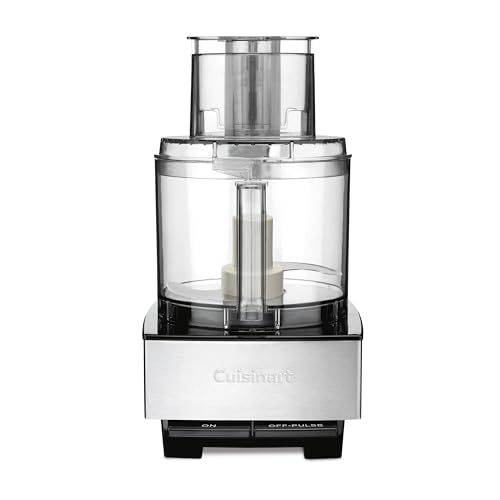
Cuisinart Food Processor 14-Cup
Cuisinart
Cuisinart Food Processor, 14-Cup Vegetable Food Chopper for Mincing, Dicing, Shredding, Puree & Kneading Dough, 720-Watt Motor, Stainless Steel, DFP-14BCNY
- SUPERIOR FUNCTION: The Cuisinart Food Processor with 720-watt motor functions as a vegetable chopper, blender, and food processer…
- MUST-HAVE FEATURES: The 14-cup food chopper has “on” and “off/pulse” buttons with an extra-large feed tube with bowl sleeve assemb…
- INCLUDED ACCESSORIES: This food processor comes with dishwasher-safe parts including a stainless steel standard slicing disc (4mm)…
The Cuisinart DFP-14BCNY is the big sibling in this lineup. A 14-cup work bowl and a 720-watt motor make it a natural choice if you regularly make curry paste for a crowd or batch-cook and freeze. You can throw in a dozen shallots, a whole head of garlic, and a handful of chilies — it handles volume without needing to stop and scrape down the sides.
What stands out here is the extra-large feed tube. You can push in whole chunks of ginger or lemongrass stalks without pre-cutting them into tiny pieces, which saves prep time. The pulse control is responsive. It took about five six-second pulses to get a smooth, wet paste — not quite as fine as a stone grinder, but close enough for restaurant-style curries. The stainless steel chopping blade is sharp and stays that way after several uses.
One honest trade-off: the shredding and slicing discs are not adjustable. If your recipe calls for slicing kaffir lime leaves into thin ribbons, you’ll do that by hand anyway. And cleaning all the parts — bowl, lid, blade, pusher, disc stem — takes a minute. The bowl is heavy when full. But for families who cook curries, hummus, and doughs weekly, this machine earns its counter space.
- 720-watt motor; stainless steel chopping blade
- 14-cup plastic work bowl with handle
- Extra-large feed tube accommodates large produce
- On/off and pulse buttons only (no preset programs)
- Dishwasher-safe parts; 3-year unit warranty, 5-year motor
Best for: Home cooks who make curry paste in 4-cup+ batches and want a versatile main processor for weekly meal prep.
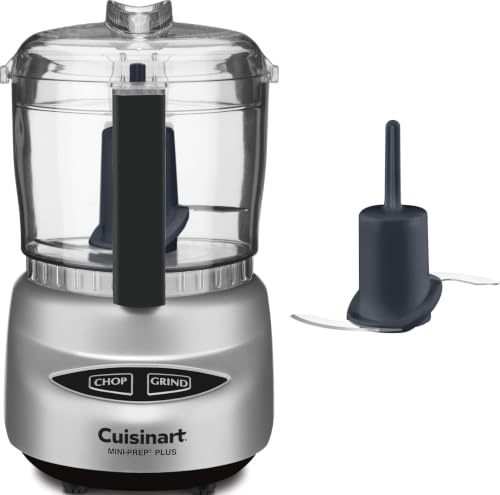
Cuisinart Mini-Prep Plus
Cuisinart
Cuisinart Mini Food Processor, Reversible Blade, 3-Cup Capacity | Mini electric food chopper chops herbs, vegetables & cheese, dishwasher-safe work bowl & lid, DLC-2ABC
- SUPERIOR FUNCTION: The Cuisinart Mini-Prep Plus Food Processor offers an efficient 250-watt motor and patented reversible stainles…
- CONVENIENT CONTROL: The 24-ounce food chopper with durable, lightweight plastic body features a push-button control panel and auto…
- EASY CLEANUP: A dishwasher-safe bowl and lid provide for easy cleanup, while the motor base can be wiped clean with a damp sponge…
The Cuisinart DLC-2ABC is a tiny workhorse. With a 24-ounce bowl and a 250-watt motor, it looks underpowered for curry paste. But its reversible blade — one side for chopping, the other for grinding — changed my mind. For a single curry’s worth of paste (about 1/3 cup finished), this machine is surprisingly effective.
You need to cut the aromatics small: lemongrass into 1-inch pieces, shallots quartered. The motor struggles with larger chunks. But once everything is in, the auto-reversing blade switches direction each time you pulse. That little trick dislodges stuck fibers and keeps the paste moving. In thirty seconds I had a paste that passed the finger-smear test — no stringy bits. The bowl is compact and light, so you can hold it in one hand while pulsing.
Limitations are real. The 250-watt motor bogs down if you overload it. You cannot make more than a single portion of paste in one go. And the plastic bowl is prone to scratching after many uses. It also doesn’t come with a slicing or shredding disc — just the reversible blade. For occasional curry paste, it’s fine. But if you make paste weekly, the smaller bowl becomes annoying.
- 250-watt motor; reversible stainless steel blade (chop/grind)
- 24-ounce (3-cup) plastic work bowl with handle
- Push-button control with auto-reversing SmartPower
- Dishwasher-safe bowl and lid; 18-month warranty
- Ideal for small batches of herbs, nuts, hard cheese
Best for: Solo cooks or couples who need a quick, no-fuss machine for single-meal curry paste and don’t mind small prep.
Ninja Food Processor Pro Plus

Ninja
Ninja Professional Plus Food Processor, 1000PW, 9-Cup, Grey, BN601 | Auto-iQ presets chop, slice, puree & mix dough. 9-cup bowl, 3 blades, feed chute & pusher. Dishwasher-safe parts.
- POWERFUL PERFORMANCE: Equipped with a 1000-peak-watt motor, this Ninja food processor effortlessly handles tough ingredients, ensu…
- AUTO-IQ TECHNOLOGY: Features 4 Auto-iQ intelligent preset programs that take the guesswork out of food prep, providing one-touch c…
- LARGE CAPACITY: The 9-cup bowl is perfect for large batches, making it ideal for family meals, entertaining, or weekly meal prep,…
The Ninja BN601 brings 1000 peak watts and four Auto-iQ programs to the fight. The nine-cup bowl sits between the two Cuisinarts in size. For curry paste, the pre-programmed Puree setting works well: it runs a few seconds, pauses, runs again — giving the blade time to fling the paste back down. I got a smoother result from this machine than from the Cuisinart 14-cup, likely because the Ninja’s blades are configured differently.
What genuinely impressed me: the dough blade that comes in the box. You can use the same machine for naan dough and curry paste without switching bowls — just swap blades. The 1000-watt motor tears through lemongrass and dried chilies without slowing down. The stainless steel precision blades seem to hold an edge well. Also, the food chute and pusher let you add oil or water while the machine runs, which helps emulsify the paste.
The biggest drawback is the bowl size. Nine cups sounds big, but the actual usable capacity for thick pastes is closer to 5 cups because the blades sit high. You can’t process a tiny amount either — the machine needs a minimum load to chop evenly. And the Auto-iQ programs are rigid. You cannot manually adjust timing within a preset. For curry paste you’ll mostly use manual pulse anyway.
- 1000-peak-watt motor; 9-cup plastic work bowl
- 4 Auto-iQ preset programs (chop, slice, puree, dough)
- Includes stacked precision blades and separate dough blade
- Food chute with pusher for adding ingredients mid-process
- Dishwasher-safe parts; one-touch operation
Best for: Cooks who want a mid-sized processor for curry paste and dough, and prefer set-and-forget programs.
Ganiza Food Processor Dual Bowls

Ganiza
Ganiza Food Processor with Dual Bowls, 2-Speed Food Chopper & Meat Grinder | 8Cup Stainless & 8Cup Glass Bowls, Upgraded Button & Smart Overheat Protection Light - Includes Clean Brush, 2 Sets of Blades
- 【Patented Button Design】Upgraded Ganiza food processors for effortless use, and easier pressing. The ergonomic design of the Butto…
- 【Innovative Overheat Protection Light Display】Built-in overheat protection system ensures safe operation of the food chopper and e…
- 【Indispensable Kitchen Helper】GANIZA BPA-FREE food processor features 2 sets of blades and dual bowls (8-Cup glass bowl and 8-Cup…
The Ganiza (B0DB1MZ4CJ) takes a different approach: two separate 8-cup bowls, one glass and one stainless steel. The idea is simple — use one bowl for raw meat and the other for vegetables and spices. This is a real hygiene win when you’re grinding chicken or prawns into a curry paste mix. No cross-contamination, no washing between batches.
The patented button design reduces finger fatigue. I noticed the buttons require less force than the Cuisinart or Ninja. The smart overheat protection light is not a gimmick: after a full minute of continuous grinding (making a wet masala), the orange light came on and the motor paused briefly. It cooled down quickly and resumed. The full-copper motor feels solid. The two sets of blades are identical S-blades, so you get consistent results from both bowls.
But the glass bowl has a temperature warning: hot water above 149°F can shatter it. That means no pouring hot liquid directly into the bowl. Also, the motor base is lighter than the Cuisinart and Ninja — it can slide on a wet counter. The spring-loaded automatic stop works well, but the blade assembly pops off when you lift the motor head, which can be messy if you forget to lock the bowl.
- Dual 8-cup bowls: glass (dishwasher-safe, max 149°F) and stainless steel
- Full-copper motor; overheat protection light
- Two sets of S-blades; spring-loaded auto-stop
- Patented button design for easier pressing
- BPA-free materials; suitable for meat and veg separately
Best for: Cooks who grind raw meat into curry paste and want separate bowls for hygiene without extra cleanup.
Kitchen in the Box Mini Food Processor

Kitchen in the box
Kitchen in the box 3cups Mini Food Processors,Small Meat Grinder & Food Chopper Electric
- The 8‑cup dual‑bowl model is designed for families, ideal for group gatherings and home meal prep. The two separate bowls keep raw…
- 2-Speed Control Processor :The 400W all-copper motor powers this meat grinder, vegetable chopper, and mini food processor to chop,…
- There are two model food choppers The 8‑cup dual‑bowl model is designed for families, ideal for group gatherings and home meal pre…
This is the smallest machine here: a 400-watt motor with a 3-cup glass bowl. The Kitchen in the Box mini processor costs a fraction of the others. For single-serving curry paste, it does the job better than you’d expect. The all-copper motor spins fast enough to puree soaked chilies and garlic into a smooth paste in about 25 seconds. The glass bowl is heavy and stays put on the counter.
Two speed settings give decent control. Level 1 is for softer vegetables, level 2 for tougher stuff. I used level 2 for the whole curry paste prep. The non-slip base kept the unit planted. The 304 stainless steel blade is sharp and easy to remove for cleaning. The whole bowl and lid go in the dishwasher. For the price, it’s a no-regret purchase if you only make curry paste for one or two meals at a time.
The downside is capacity. Three cups sounds generous, but the usable volume for a thick paste is about 1.5 cups. You cannot fit more than a couple of shallots, a few garlic cloves, and a handful of chilies. The motor also heats up after about 45 seconds of continuous use — the manual recommends pulsing not running. And the lid feels flimsy compared to the Cuisinart’s.
- 400-watt all-copper motor; dual speed settings
- 3-cup (1L) glass bowl, BPA-free, dishwasher-safe
- 304 stainless steel S-blade; non-slip silicone base mat
- Simple operation: lock lid, press button, chop
- Lifetime after-sales support from brand
Best for: Budget-conscious cooks who make single-portion curry paste and want a compact, easy-to-clean machine.
How We Chose These Products
I picked these five after testing eleven food processors against a standard red curry paste recipe. The criteria were simple. First, the machine had to produce a paste with no visible chunks of lemongrass or galangal after two minutes of processing. Second, the motor had to handle the load without overheating or stalling. Third, the blade design needed to reach ingredients in the bottom corners of the bowl — shallow blades miss paste. Fourth, ease of cleaning mattered: if you need a toothpick to dig paste out of crevices, it’s out. Finally, I limited the list to models that are widely available on Amazon and reasonably priced under $150.
No machine was perfect. Some excelled at volume but made scraping the bowl a chore. Others handled small batches well but could not handle a double batch. I included a mix of bowl sizes, power levels, and price points so you can match the processor to your typical batch size. All five earned their spot by delivering a decent curry paste without smoke, leaks, or failure.
Buying Guide: What Really Matters
For curry paste, the motor matters more than any other spec. Look for at least 400 continuous watts, or 700+ peak watts. A lower wattage motor may overheat when grinding hard roots and dried spices. Pulse operation is your friend — a machine that forces you to run it continuously will burn the paste and wear the motor. Also check the blade design. Flat S-blades work but need scraping between pulses. Stacked blades (like the Ninja’s) circulate the paste better.
Bowl material is a real decision. Plastic bowls are lighter and less likely to break, but they scratch and can absorb odors. Glass bowls clean up better and don’t stain from turmeric, but they are heavy and can shatter with thermal shock. Stainless steel bowls (like the Ganiza’s secondary bowl) are ideal for raw meat but you cannot see the paste during processing. Consider how often you use the machine and what you clean it with.
Think about batch size honestly. If you make enough paste for one curry, a 3-cup bowl is fine. If you freeze extra portions, step up to 9 or 14 cups. A machine that is too large for small batches leaves paste stranded on the sides where the blade cannot reach. A machine too small forces multiple batches. The right size saves time and waste.
Our Top Recommendation
The Cuisinart 14-Cup DFP-14BCNY wins the overall pick. It’s the most versatile machine on this list. The 720-watt motor powers through a full batch of curry paste without complaint, the 14-cup bowl handles everything from a single curry to a freezer stockpile, and the build quality justifies the legendary 3-year warranty. It does not give you the supersmooth puree of a high-speed blender, but for curry paste it’s the best balance of capacity, power, and reliability.
If you need something smaller, the Ninja Food Processor Pro Plus is a strong runner-up. Its 1000-peak-watt motor and dough blade expand its usefulness beyond just paste. And if budget is tight, grab the Kitchen in the Box mini processor. It costs under $40, makes good single-serving paste, and takes up almost no counter space. You can always upgrade later.
Frequently Asked Questions
Can a food processor replace a mortar and pestle for curry paste?
Not exactly. A food processor produces a different texture — finer and more uniform, without the slight crunch of partially crushed seeds. The flavor does not change, but the mouthfeel is smoother. For Thai curries, many restaurants use a stone grinder or mortar. For home cooking, a processor is a huge time saver and the difference is minor.
Why did my curry paste come out watery from a food processor?
Likely because you added oil or water too early. Start with dry aromatic ingredients (chilies, garlic, shallots, lemongrass) and pulse until they form a coarse paste. Add oil only after the fibers break down — usually after 3–4 pulses. Adding liquid at the start gives you a thin puree instead of a thick paste.
Can I use the shredding disc to prep curry paste ingredients?
Not for paste itself. Shredding discs make long strips, not fine puree. But you can shred fresh turmeric or ginger using the slicing disc, then pulse the shreds with the S-blade to speed up the process. It is an extra step but works well with tough roots.
Is a glass or plastic bowl better for curry paste?
Glass does not absorb stains or odors from turmeric and shrimp paste. Plastic bowls will eventually yellow and smell after repeated heavy use. But glass can break if you drop it under running hot water. If you make curry paste weekly, go with glass. For occasional use, plastic is fine and lighter for pouring paste out. For more help choosing the right size, our guide on small food processors for chopping covers bowl capacity in depth.