
Can I Juice Sugar Cane In A Juicer? The Real Answer (and What You Actually Need)
You bought a bag of fresh sugar cane from the Asian market. You’re picturing that sweet, grassy juice you drank from a street cart on vacation. So you grab your countertop juicer, peel a stalk, shove it in — and nothing happens. Or worse, the machine stalls, the motor heats up, and you’re left with a mangled piece of cane and a faint burning smell.
That scenario is surprisingly common. Standard home juicers, whether centrifugal or masticating, simply aren’t built for sugar cane. The stalks are woody, fibrous, and dense — nothing like an apple or a carrot. Trying to force cane through a machine designed for soft produce can damage the motor, crack the auger, and void your warranty.
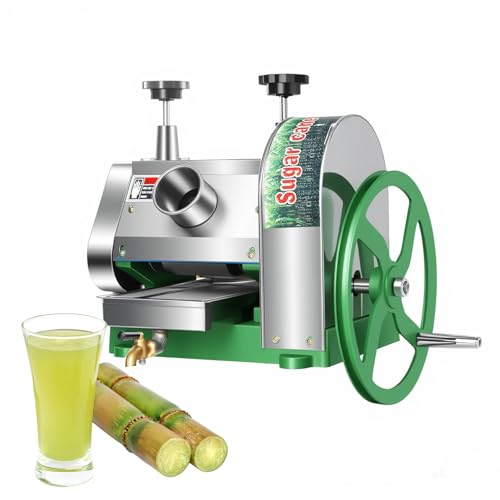
Kauwm
Kauwm Commercial Manual Sugar Cane Juicer, 3 Rollers, 110 lb/h Capacity | 2.5-inch inlet accepts whole cane; stainless steel body and rollers; gear drive eases cranking for business and home use
- 【Heavy-Duty Triple Roller Press with Motor-Ready Interface】 Built with three commercial-grade stainless steel rollers designed for…
- 【Industrial Gear Reduction for Easier Manual Operation】 An integrated gear reduction system and reinforced bearings help reduce op…
- 【Hygienic Design with Tool-Free Detachable Components】 Juice-contact components detach easily without tools for thorough cleaning…
In this article I’ll tell you exactly can I juice sugar cane in a juicer — the honest answer, which juicer types might survive a few stalks, and what dedicated machine actually does the job right. You’ll also get a step-by-step guide to juicing cane at home without wrecking your equipment.
If you’re serious about making cane juice regularly, a purpose-built machine is the way to go. The Kauwm Commercial Manual Sugar Cane Juicer (ASIN B0FWQV7JHZ) is a solid option if you want something that won’t quit. It uses three commercial-grade stainless steel rollers with a gear reduction system that makes hand-cranking manageable, even for continuous use. The 2.5-inch wide inlet accepts larger cane pieces so you spend less time prepping, and the tool-free disassembly makes cleanup far easier than the cheap countertop presses. It’s not electric, so you do the cranking yourself, but that also means no motor to burn out.
Why Your Regular Juicer Can’t Handle Sugar Cane
Let’s get specific about the mechanics. A centrifugal juicer spins a shredding disc at 10,000–15,000 RPM. It’s designed to fling soft pulp against a mesh basket. Sugar cane fiber is like tough rope — it wraps around the disc, clogs the basket, and the motor overheats within seconds. I’ve seen people try this with a Breville centrifugal juicer and the results are never good: the machine vibrates violently or stops completely.
Masticating (slow) juicers run at 40–80 RPM. They crush and press produce through a screw auger. While they handle leafy greens and wheatgrass better than centrifugal models, sugar cane is still too fibrous. The auger can’t grab the long strands; instead it pushes the cane sideways and the juice yield is pitiful. You might get a few tablespoons of liquid before the machine jams.
Twin-gear juicers have two interlocking gears that shred and press. They’re the toughest of the home juicers — some models can handle small pieces of peeled cane if you cut it into thin strips and feed it very slowly. But it’s a fussy process. The juice yield is still lower than a dedicated cane press, and the gears can wear prematurely.
The bottom line: none of these machines were designed for sugar cane. The stalks contain up to 15% sucrose by weight and the rest is tough cellulose fiber. Extracting that juice requires heavy rollers that crush the entire stalk, not shred it or grind it.
What Kind Of Juicer Actually Works For Sugar Cane?
Three types of machines reliably juice sugar cane. Here’s how they compare in practice.
Manual roller presses — like the Kauwm unit mentioned earlier — use three stainless steel rollers. You feed the cane into the gap, turn the handle, and the rollers crush the stalk and separate the juice from the dry bagasse (the leftover fiber). These are simple, durable, and easy to clean. The downside is manual effort; you’re doing the work. But for a dozen stalks at a time, it’s not bad. The gear reduction on the Kauwm model helps a lot — you don’t need to be a bodybuilder.
Electric sugar cane juicers are the commercial workhorses. They have a motor, often 1/2 HP or stronger, that drives the rollers automatically. These are faster — you can process 100–200 pounds per hour. But they cost more (typically $300–$800) and take up more counter space. If you plan to juice cane weekly or for a small business, an electric model is worth it.
Modified masticating juicers like some heavy-duty single-auger machines with a separate cane cone attachment exist, but they’re rare and less effective. Most home users skip this route because the attachment adds cost and the juice yield still lags behind a roller press.
So the short answer to can I juice sugar cane in a juicer? Yes — but only in a juicer specifically designed for cane. Your $100 centrifugal won’t cut it.
Step-By-Step: How To Juice Sugar Cane With A Manual Roller Press
This process assumes you have a dedicated cane juicer like the Kauwm manual model. Follow these steps for best results.
- Peel the cane. Use a vegetable peeler or a knife to remove the tough outer skin. Don’t skip this — the bark dulls blades and adds bitterness. The inner pith is where the sweet juice lives.
- Cut the cane into 4–6 inch lengths. Most manual presses with a 2.5-inch inlet will accept pieces this size. If your machine has a smaller opening, cut shorter. Uniform pieces feed more smoothly than random sticks.
- Warm the rollers slightly. Pour hot water over the rollers for a few seconds. This prevents the cane juices from crystallizing on the cold metal and binding up the works. It’s a small step that makes a big difference in crank effort.
- Feed one piece at a time. Insert the cane lengthwise into the gap between the top roller and the second roller. Turn the handle steadily — don’t force it. The rollers will pull the cane through. Keep your fingers clear of the intake.
- Collect juice in a clean bowl or pitcher. Most manual presses have a drip tray. Place a container under the spout. The juice comes out slightly warm and may have foam — that’s normal.
- Run the same piece through twice. Once the cane exits as dry-ish bagasse, take that fiber and feed it back through. The second pass extracts the remaining liquid and improves yield by 15–20 percent.
- Strain the juice. Pour the juice through a fine-mesh strainer or nut milk bag to remove any fine pulp particles. Sugar cane sediment settles quickly, so strain soon after juicing.
- Clean immediately. Sugar juice dries sticky and hard. Rinse all parts with cold water within 30 minutes. Use the included brush to scrub the rollers. The Kauwm model’s tool-free disassembly makes this fast — pop off the rollers and wash them in the sink.
Pro tip: If you’re new to manual cranking, start with thinner, younger cane stalks. They’re less fibrous and easier on your arms. Mature cane is tougher but yields more sugar.
Comparison: Which Juicer Type Handles Sugar Cane Best?
The table below sums up how different machines stack up for cane juice. Use it to decide which route fits your needs.
| Juicer Type | Extraction Rate | Effort Level | Avg. Cost | Cleanup Time | Durability for Cane |
|---|---|---|---|---|---|
| Centrifugal (e.g., Breville Juice Fountain) | 5–10% | High risk of motor burn | $80–$200 | Quick (if not clogged) | Poor — not designed for cane |
| Masticating (single-auger) | 25–35% | Moderate — frequent jams | $150–$400 | Moderate (auger disassembly) | Fair — short-term only |
| Twin-gear (e.g., Greenstar) | 40–50% | Low with slow feed | $350–$600 | Long (multiple parts) | Good, but gears wear |
| Manual roller press (e.g., Kauwm) | 65–75% | Moderate (hand cranking) | $150–$300 | Fast (tool-free) | Excellent — built for cane |
| Electric sugar cane juicer | 80–90% | Very low (auto feed) | $300–$800 | Moderate | Excellent — commercial grade |
Numbers vary by specific model and how well you prep the cane. But the pattern is clear: dedicated roller presses win on extraction and durability. Standard home juicers are a gamble.
Frequently Asked Questions About Juicing Sugar Cane
Can I juice sugar cane in a masticating juicer if I cut it into tiny pieces?
You can try, but it’s not efficient. The auger in a masticating juicer is designed to compress soft pulp against a screen. Sugar cane fiber is too rigid; the auger will push it sideways rather than crushing it. You’ll get maybe half a cup of juice per stalk, and the machine will run hot. I’ve seen people mod their masticating juicers by adding a second strainer, but it’s not worth the hassle. Stick to a roller press.
Is it safe to put sugar cane in a centrifugal juicer?
No. The high-speed disc will shred the cane’s outer layer, but the long fibers wrap around the spindle and lock up the basket. This can burn out the motor or crack the plastic housing. Some cheaper centrifugal models even smoke when overloaded. Don’t risk it. If you only have a centrifugal juicer, skip the cane.
Do I need to peel sugar cane before juicing?
Yes. The outer bark is hard, contains little juice, and adds a bitter, earthy taste to the liquid. It also dulls the cutting edges on any juicer. Peel the cane with a knife or a dedicated cane peeler (a Y-peeler works okay). The inner pith is soft and sweet. If you’re using a manual roller press, a thin layer of green skin left on won’t destroy the machine, but it will reduce juice quality.
How do I clean a sugar cane juicer without it getting sticky?
Clean immediately after use. Sugar juice dries into a gummy residue that’s hard to remove. Rinse all parts with cold running water — hot water cooks the sugar and makes it stickier. Use a stiff nylon brush to scrub the rollers and any crevices. For manual presses like the Kauwm, take the rollers out (they detach without tools) and soak them for five minutes in warm soapy water if needed. Dry everything thoroughly before storing to prevent rust on the bearings.
Can I use a cold press juicer for sugar cane if I buy a separate attachment?
Some brands offer a sugar cane cone attachment that fits on top of the auger. These work marginally better than using the machine bare, but they still struggle with the fiber. The attachment usually looks like a metal cone with ridges — you press the cane against it, and the friction grinds out some juice. Realistically, you’ll get 30–40% yield and the attachment adds $50–$100 to your cost. You’re better off buying a dedicated sugar cane juicer guide and getting a machine that’s engineered for the job.
Three Common Mistakes That Waste Your Time And Break Your Juicer
I’ve seen people make these errors over and over. Avoid them and your cane juicing experience stays fun, not frustrating.
- Mistake #1: Not peeling the cane. The bark is tough. It clogs the rollers and reduces yield. Even with a commercial press, peeled cane gives you 20% more juice and much smoother operation.
- Mistake #2: Overfeeding the machine. Shoving in too many pieces at once stalls the rollers and strains the gears. Feed one piece at a time. Let the rollers pull it through before adding the next.
- Mistake #3: Skipping the second pass. The first crush leaves a surprising amount of juice locked in the fiber. Run the bagasse through a second time. It takes 30 seconds extra and you get nearly a full glass more per session.
These are small habits, but they save you from burned motors, bent shafts, and sad, dry bagasse.
What To Do Next If You Want Fresh Cane Juice
You have three practical paths.
- If you already own a sturdy twin-gear juicer and have patience, you can process small amounts of peeled, thin-cut cane — but expect modest yields.
- If you want cane juice more than once a month, buy a manual roller press like the Kauwm unit I mentioned. It’s affordable, lasts years, and gives you great juice with some arm work.
- If you’re running a small business or hate hand cranking, go electric. You’ll process pounds per minute with zero fatigue.
One last thought: fresh cane juice oxidizes fast. Drink it within 20 minutes or refrigerate it in an airtight container for up to 24 hours. Add a squeeze of lime or ginger to slow browning and boost flavor. Don’t freeze it — the texture goes watery when thawed.
Now you know the real answer to can I juice sugar cane in a juicer. Choose the right tool, prep the stalks properly, and you’ll get that sweet, grassy glass without wrecking your equipment.