Does Boiling Beetroot Lose Nutrients? What the Science Says
You bought a bunch of fresh beetroot with the best intentions. You boil them, slice them into a salad, and feel pretty good about your healthy choice. But then a nagging thought creeps in: Did the boiling water just flush half the nutrients down the drain? It’s a fair question, and the answer isn’t a simple yes or no.
This article walks you through exactly what happens to beetroot’s key nutrients—folate, vitamin C, betalains, nitrates—when you drop them into boiling water. You will learn which nutrients are heat-sensitive, which leach into the water, and how to adjust your cooking method to keep more of the good stuff. I will also share a handy comparison table so you can decide whether boiling, roasting, steaming, or even skipping the stove entirely makes the most sense for your goals.
Z Natural Foods
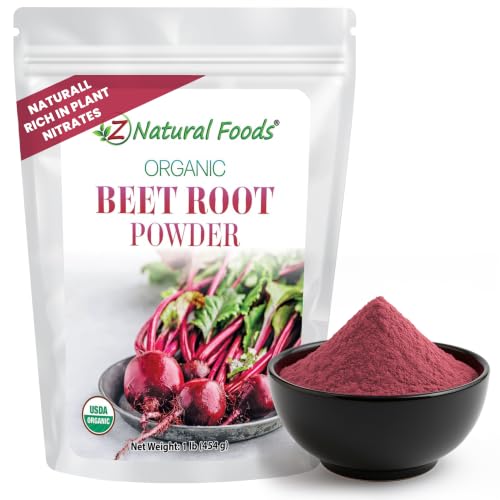
Z Natural Foods Organic Beet Root Powder - Vegan, Gluten Free, 16 oz
- 𝗢𝗿𝗴𝗮𝗻𝗶𝗰 𝗕𝗲𝗲𝘁𝗿𝗼𝗼𝘁 𝗣𝗼𝘄𝗱𝗲𝗿 𝗳𝗼𝗿 𝗗𝗮𝗶𝗹𝘆 𝗡𝘂𝘁𝗿𝗶𝘁𝗶𝗼𝗻: Z Natural Foods Organic Beetroot Powder is a simple way to add daily nutrition to you…
- 𝗣𝗿𝗼𝗺𝗼𝘁𝗲𝘀 𝗖𝗶𝗿𝗰𝘂𝗹𝗮𝘁𝗶𝗼𝗻, 𝗛𝗲𝗮𝗿𝘁 𝗛𝗲𝗮𝗹𝘁𝗵 & 𝗘𝗻𝗲𝗿𝗴𝘆: Looking for a natural way to support energy, heart health, and circulation? This beet…
- 𝗡𝘂𝘁𝗿𝗶𝗲𝗻𝘁-𝗗𝗲𝗻𝘀𝗲 𝗥𝗲𝗱 𝗦𝘂𝗽𝗲𝗿𝗳𝗼𝗼𝗱 𝘄𝗶𝘁𝗵 𝗔𝗻𝘁𝗶𝗼𝘅𝗶𝗱𝗮𝗻𝘁 𝗦𝘂𝗽𝗽𝗼𝗿𝘁: The deep red color comes from betalains, special compounds with antioxidant…
If you’re short on time but still want the nutrition, a quality organic beetroot powder can be a smart workaround. For instance, Z Natural Foods Organic Beet Root Powder delivers the same betalains and nitrates without any cooking loss. One tablespoon mixes into smoothies or juice in seconds—no pots to scrub.
What Nutrients Are at Stake?
Beetroot is prized for a few specific compounds. Knowing how each behaves under heat helps you cook smarter.
- Folate (vitamin B9): Essential for DNA synthesis and red blood cell production. It’s water-soluble and moderately heat-sensitive. Boiling can leach up to 30-40% into the cooking water, depending on time and beet size.
- Vitamin C: A fragile antioxidant that degrades quickly when exposed to heat and oxygen. Boiling destroys roughly 15-25% of it within 15 minutes. Longer cooking pushes that higher.
- Betalains: The red-purple pigments that give beetroot its color and antioxidant punch. Betalains are reasonably heat-stable up to about 60-70°C (140-158°F), but prolonged boiling above 100°C (212°F) starts breaking them down. You also lose some by diffusion into the water.
- Dietary nitrates: The compounds linked to improved blood flow and exercise performance. Nitrates are highly water-soluble. A 2026 study in Nitric Oxide found that boiling whole beetroots for 45 minutes reduced nitrate content by about 50% compared to raw. Shorter boiling (15-20 minutes) loses roughly 20-30%.
- Minerals (potassium, magnesium, iron): These are water-soluble but heat-stable. They do not degrade, but they do leach into the cooking water. If you throw that water away, you lose them. If you drink the water (say, in soup or broth), you keep them.
So the straight answer: Yes, boiling beetroot causes nutrient loss, especially for water-soluble vitamins and nitrates. But the degree depends on three factors—time, temperature, and whether you reuse the cooking liquid.
Boiling vs. Other Cooking Methods: A Head-to-Head Comparison
Different cooking methods treat beetroot differently. Here is a data-driven comparison based on published research (note: exact percentages vary by study and beet size, but the relative ranking is consistent).
| Method | Folate retention | Vitamin C retention | Betalain retention | Nitrate retention | Water-soluble mineral loss |
|---|---|---|---|---|---|
| Raw (baseline) | 100% | 100% | 100% | 100% | 0% |
| Boiling (whole, 20 min) | ~70-80% | ~75-85% | ~70-80% | ~70-80% | Moderate (in water) |
| Boiling (diced, 15 min) | ~55-65% | ~60-70% | ~55-65% | ~50-60% | High (more surface area) |
| Steaming (whole, 25 min) | ~85-90% | ~80-90% | ~85-95% | ~85-90% | Low (minimal water contact) |
| Roasting (whole, 45 min at 200°C) | ~75-85% | ~70-80% | ~80-90% | ~85-90% | Nearly none (dry heat) |
| Microwaving (whole, 8 min) | ~85-90% | ~80-85% | ~85-90% | ~85-90% | Low (short cooking time) |
Steaming and microwaving come out on top for retaining heat-sensitive compounds. Roasting is great for nitrates and betalains because dry heat causes minimal leaching. Boiling is fine if you consume the cooking water—say, in a soup or as a tea—but wasteful if you drain it.
One tradeoff: roasted beets lose a bit more vitamin C than steamed ones because the higher temperature (200°C) speeds up oxidative degradation. But if you are primarily after nitrates for athletic performance or betalains for antioxidant support, roasting is a solid choice.
How to Maximize Nutrient Retention When Boiling Beetroot
If you prefer the convenience of boiling, you can still minimize losses. Here are four practical rules.
Rule 1: Keep the skin on. The skin acts as a barrier that slows the diffusion of water-soluble nutrients into the water. Boil beets whole and unpeeled, then slip the skins off after cooking. You will lose about 20% less folate and nitrates compared to peeled, diced beets.
Rule 2: Use the minimum amount of water. The more water you use, the greater the concentration gradient that pulls nutrients out. Just barely cover the beets with water. Better yet, use a steamer basket inside the same pot—that is effectively steaming, not boiling, and gives much higher retention.
Rule 3: Keep the cooking time short. A 15-minute boil is enough for small- to medium-sized beets (about 5-6 cm diameter). Large beets may need 30 minutes, but every extra minute shaves off a bit more folate and vitamin C. You can check doneness by piercing with a fork—it should slide in with light resistance, not fall apart.
Rule 4: Save the cooking water. That deep red liquid is loaded with betalains, nitrates, and minerals. Use it as a base for soup, cook grains like quinoa in it, or drink it as a beetroot broth. I sometimes freeze leftover beet water in ice cube trays and drop a cube into smoothies for a nutrient boost.
These rules won’t make boiled beets as nutrient-dense as raw or steamed ones, but they narrow the gap considerably.
When Cooking Loss Actually Doesn’t Matter
Here is a point most articles gloss over: some nutrient loss during cooking is offset by improved bioavailability. For example, the cell walls of raw beetroot are tough—your gut cannot extract all the betalains and carotenoids from intact plant cells. Cooking breaks down those cell walls, freeing up the nutrients for absorption.
Think of it as a trade-off. You might lose 20% of a nutrient to the water, but your body absorbs 30-40% more of what remains. The net effect can actually be positive for some compounds, particularly beta-carotene (which is low in beetroot but present in small amounts).
That said, for folate and vitamin C—which are both heat- and water-sensitive—the loss usually outweighs the bioavailability gain. So if your main goal is folate intake (common for pregnancy), raw or lightly steamed beetroot is the better bet. If you care more about nitrates for circulation and exercise, roasting or microwaving preserves them well, and the heat helps convert some precursors into active nitric oxide.
The bottom line: don’t stress about a few percentage points. A cooked beet still beats a processed snack by a mile.
Frequently Asked Questions
Does boiling beetroot destroy all the nutrients?
No. Boiling reduces but does not eliminate nutrients. You lose roughly 20-30% of water-soluble vitamins and nitrates into the cooking water. Fat-soluble nutrients like vitamin E or beta-carotene (small amounts in beetroot) are largely unaffected. Minerals remain intact but may be lost if you discard the water. To retain more, steam or microwave instead.
Is it better to eat beets raw or cooked?
It depends on your goal. Raw beets have the highest vitamin C and folate levels, and their nitrates are fully intact. But raw beets are harder to digest, and some people find the earthy taste overpowering. Cooking softens the texture and improves the digestibility of other nutrients. For most people, a mix of raw (grated in salads) and cooked (roasted or steamed) works best.
Can I get the same benefits from beetroot powder as fresh beets?
Yes, but with one catch. Most quality beet powders are made from dried, ground beetroot—no heat damage, minimal nutrient loss. A product like Z Natural Foods Organic Beet Root Powder retains betalains and nitrates because the drying process uses low temperatures. You get a concentrated source without any cooking loss. Just mix with water or a beverage. The trade-off is you miss the fiber and the variety of phytonutrients present in the whole vegetable, but for convenience it’s a solid option.
How long should I boil beets to keep the most nutrients?
Keep it under 20 minutes for small- to medium-sized beets. The sweet spot is 12-15 minutes if you dice them, or 15-20 minutes if you boil them whole. Use as little water as possible and keep the skin on. After that, pull them out immediately—overcooking accelerates both leaching and thermal degradation.
Does beetroot lose its color when boiled?
Some color loss is normal. The red pigment (betanin) is water-soluble, so it leaches into the cooking water. That is why beet water turns dark red. The beet itself will appear slightly lighter in color after boiling, especially if peeled. Roasting or steaming keeps more pigment inside the vegetable. If you want deep red beets for presentation, roast them instead.
What You Can Actually Do With This Information
- For maximum nutrient retention, steam or microwave whole beets with skin on. Boiling is fine if you save the water for other uses.
- If you boil, keep the skin on, use minimal water, and stop cooking when tender but not mushy (around 15-20 minutes).
- Roasting at 200°C for 40-50 minutes gives great flavor with only moderate vitamin C loss—good for nitrates and betalains.
- Raw grated beetroot in salads provides the highest levels of vitamin C and folate. Just be aware it’s harder on digestion.
- Beetroot powder is a convenient, nutrient-dense alternative that avoids cooking losses entirely. Check the current price on Amazon for Z Natural Foods Organic Beet Root Powder if you are interested.
- Drink your beet cooking water—use it in soups, stews, or as a warm broth. It’s free nutrition you would otherwise throw away.
- Don’t over-optimize. Any form of beetroot is better than none. Picking a method you actually enjoy will keep you eating them regularly.