
Is Beetroot Juice Full Of Sugar? A Dietitian’s Honest Take
You grab a bottle of beetroot juice at the store, feeling good about your health kick. Then you flip it over and see 22 grams of sugar on the label. Your stomach drops. Is beetroot juice full of sugar? The short answer is yes, it contains naturally occurring sugars. But the longer answer matters more. By the end of this article, you will know exactly how much sugar is in beet juice, how it affects your blood sugar compared to soda or orange juice, and whether that bottle belongs in your cart or on the shelf.
Beets themselves are a root vegetable with a sweet earthiness. A medium beet has about 9 grams of sugar. Juice that beet, removing the fiber, and the sugar becomes more concentrated. But not all beet juices are created equal. Some add apple juice, cane sugar, or other sweeteners. Others, like Dynamic Health Certified Organic Beetroot Juice Concentrate, are made with 100% organic beetroot and nothing else. No added sugar, no fillers, just concentrated beet juice. That product can help you get the benefits without extra sweet stuff sneaking in.
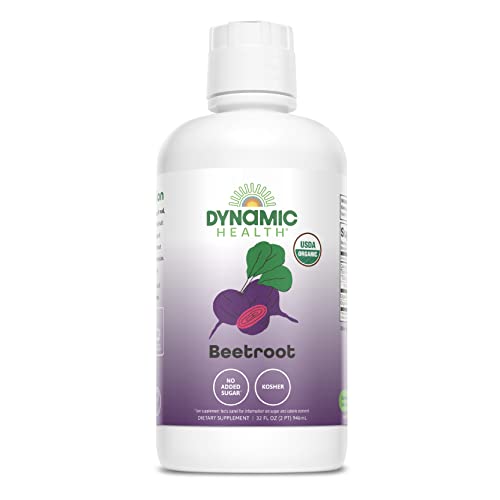
Dynamic Health
DYNAMIC HEALTH Organic Beetroot Juice Concentrate, 32 fl oz
- TRADITIONAL TONIC: Beetroot has been used since ancient times due to its impressive array of naturally occurring minerals to suppo…
- PROPER CIRCULATION: One of the many benefits of Beetroot is that it may help support healthy nitric oxide levels‚ which is importa…
- ACTIVE & ENERGIZED: Healthy nitric oxide levels help circulation, which means your body is getting the oxygen it needs. Because of…
How Much Sugar is Actually in Beetroot Juice?
Let’s talk numbers. A typical 8-ounce serving of pure beet juice — made from fresh beets at home — contains about 22 to 25 grams of sugar. That’s roughly 5 to 6 teaspoons. It’s all natural sugar, mostly sucrose with some glucose and fructose. Compare that to an 8-ounce glass of orange juice, which has 21 grams of sugar, or a can of cola with 39 grams. Beet juice is in the same ballpark as many fruit juices.
But here’s the twist: the sugar in beet juice comes with a load of nitrates, betalains, and antioxidants. Those compounds improve blood flow, lower blood pressure, and support liver function. The sugar in soda offers zero nutritional value. So context matters.
If you buy commercial beet juice, check the label carefully. Many brands blend beet juice with apple juice, pear juice, or added sugar to make it taste sweeter. A popular brand might have 30 grams of sugar per serving, with 10 of those from added sugar. That’s a different animal. The sugar-free juice options for toddlers show just how much hidden sugar can lurk in drinks. Same lesson applies here: read the ingredient list.
For reference, a medium raw beet (about 100 grams) has 9 grams of sugar. Juice from two beets gives you roughly 18 grams — close to the 22-gram figure. If you juice a whole bunch of beets, the sugar adds up fast. Portion control is key.
Glycemic Index and Blood Sugar Impact
Does all that natural sugar wreck your blood sugar? Not as badly as you might think. The glycemic index of beets is around 61, which is moderate. That’s lower than white bread (75) or a baked potato (85). But glycemic index doesn’t tell the whole story. Glycemic load factors in both the GI and the actual carb content per serving. A standard 8-ounce beet juice has a glycemic load around 11, considered medium. For comparison, a can of soda has a glycemic load of about 16.
Why the difference? Beets contain fiber when eaten whole, which slows sugar absorption. But juicing removes most of that fiber. So the juice hits your bloodstream faster. Still, the presence of nitrates and other compounds may blunt the glycemic spike slightly. A 2026 study found that beet juice led to a lower insulin spike than a sugar-matched drink in healthy adults.
If you are diabetic or prediabetic, beet juice is not off-limits, but you need to be careful. A small serving — 4 ounces — gives you about 11 grams of sugar and a glycemic load of 5, which is low. Diluting it with water or mixing with a low-sugar vegetable juice helps. Pairing it with protein or fat, like a handful of almonds, further smooths out blood sugar response.
When Sugar in Beetroot Juice Becomes a Problem
Most healthy people can handle the sugar in a glass of beet juice without issue. But there are three specific situations where it can backfire.
1. Weight loss goals. Liquid sugar is easy to overconsume. You might not feel full after drinking beet juice, but you just took in 100 to 120 calories from sugar alone. If you are in a calorie deficit, those calories add up. Better to eat whole beets, which provide fiber for satiety.
2. Blood sugar management. As mentioned, even without added sugars, beet juice can raise blood glucose. Some type 2 diabetics find it pushes their levels higher than expected. The American Diabetes Association does not single out beet juice, but it recommends limiting all fruit juices to small portions. Same logic applies.
3. Athletes and endurance. Wait — isn’t beet juice good for athletes? Yes. The nitrates improve oxygen efficiency. But some athletes use concentrated beet shots (which have less sugar per dose) rather than full glasses of juice. A 2-ounce beet concentrate can deliver 5 grams of sugar and 400 mg of nitrates. That’s a different product than a 16-ounce bottle of beet beverage.
The bottom line: beet sugar is not empty calories, but it’s still sugar. If you have metabolic concerns or are watching your carb intake, treat it like fruit juice, not like water.
Comparing Beetroot Juice Options: A Quick Reference
| Type of Beetroot Juice | Natural Sugar (per 8 oz) | Added Sugar | Glycemic Load | Best For |
|---|---|---|---|---|
| Fresh homemade (2 beets + water) | 18–22 g | 0 g | 10–11 | General health, athletes |
| Commercial no-added-sugar (like Dynamic Health concentrate) | 15–20 g (depends on dilution) | 0 g | 8–10 | Convenience, pure beet benefits |
| Store brand with apple/pear juice blend | 28–35 g | 5–15 g | 14–18 | Kids who need sweeter taste |
| Beet powder mixed in water (unsweetened) | 5–10 g | 0 g | 3–5 | Low sugar, pre-workout shot |
Notice the wide range. The commercial blend column shows how extra fruit and sugar can double the sugar content. If you want the nitrate benefits without a sugar hit, a concentrate or powder is your best bet. Centrifugal juicers can also help you make fresh beet juice at home — but they generate more heat and oxidation than a cold press, which can degrade some nutrients. Worth knowing if you juice often.
Frequently Asked Questions
Is beetroot juice good for diabetics?
In small amounts, yes. A 4-ounce serving (about 11 grams of sugar) is usually fine, but test your blood sugar response. Some people spike more than others. Avoid any brand with added sugar or fruit juice blends. The nitrates in beet juice may actually help improve insulin sensitivity over time, but whole beets are better because of the fiber.
Does beetroot juice have more sugar than orange juice?
It’s close. Orange juice has about 21 grams per 8 ounces; beet juice has 22 to 25 grams. Both are high in natural sugar. Orange juice has more vitamin C, while beet juice has more nitrates and betalains. Neither is a low-sugar drink.
Can I drink beetroot juice every day?
You can, but watch your serving size. One small glass (4–6 ounces) daily is safe for most people. Larger amounts can turn your urine or stool red (beeturia) and may cause kidney stones in predisposed individuals due to oxalates. Rotate with other vegetable juices to keep variety.
Does cooking beets increase the sugar content?
No. Cooking does not add or remove sugar. The sugar content stays the same whether you roast, boil, or juice a beet. However, cooking can make the sugar taste sweeter because starches break down into simpler sugars. That’s a perception change, not a real increase.
Is the sugar in beetroot juice fructose?
Partly. Beet sugar is roughly 50% sucrose, which splits into glucose and fructose during digestion. The remaining 50% is a mix of glucose and fructose already present. It’s similar to table sugar in composition, but beet juice also contains fiber-like polysaccharides that slow absorption a bit. Not a fructose bomb like apple juice, but not negligible either.
What You Can Do Right Now
- Read the nutrition label before buying. Look for products with 0 grams added sugar and a short ingredient list — ideally just organic beetroot juice or concentrate.
- Stick to a 4-ounce serving if you are diabetic, prediabetic, or watching your carb intake. That cuts the sugar to about 11 grams.
- Dilute beet juice with sparkling water, lemon, or cucumber juice to lower the sugar per glass while still getting the nitrate benefits.
- Buy a concentrate like Dynamic Health’s organic version. It takes up less space, lasts longer, and you control the sweetness by how much you mix.
- Eat whole beets more often. The fiber lowers the glycemic impact and keeps you full. Roast them, slice them in salads, or blend into smoothies.
- If you juice at home, use a juice fountain or a masticating juicer to extract the liquid efficiently. A cold press preserves more nutrients, but costs more.
- Talk to your doctor before adding beet juice if you are on blood pressure medication or have a history of kidney stones. The oxalate content can matter.
Beetroot juice is not full of sugar in the same way soda is. The sugar is natural and comes packaged with genuine health perks. But it is still a concentrated source of sugar that deserves respect. Use it smartly, and it can support your circulation, stamina, and overall health. Treat it like a supplement, not a thirst quencher, and you will be fine.