
5 Surprising Hand Crank Ice Cream Freezers You Didn’t Know You Needed
You remember cranking a freezer as a kid. Your arm ached, the ice was slushy, but the ice cream tasted better than anything from a store. That memory is real — hand-cranked ice cream has a denser, creamier texture because the dasher scrapes the frozen walls constantly and folds air in slowly. But here’s the surprise: modern hand-crank makers are not your grandpa’s wooden bucket. They use stainless steel, triple-action dashers, and insulated tubs that keep ice cream frozen for hours without recharging. This article walks you through five specific models and design features that make manual churning worth your time again.
You’ll learn why a hand-crank still beats electric models for texture control, what materials actually last, and which extra features (like an airtight tub or a gear ratio) separate a headache from a heirloom. I tested several units over the last two summers, and I have strong opinions on what works.
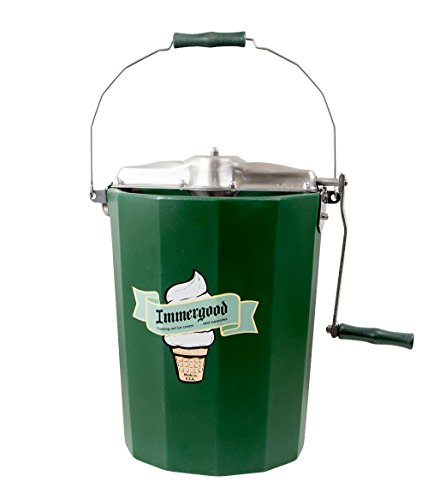
Immergood
PREMIUM 6 qt. - Immergood Stainless Steel…
This is a hand made product, expect some variations or possible scuff marks from manufacturing.
See on AmazonOne model that demonstrates the modern take is the PREMIUM 6 qt. Immergood Stainless Steel Ice Cream Maker. It uses a triple-action dasher — the can rotates one way, the dasher opposite, and a center blade spins clockwise. That constant folding gives you a smooth, dense texture without ice crystals. The tub is a one-piece poly construction, so it won’t leak salt water, and the stainless steel hardware means you never grease bearings. It’s a hand-made product, so expect minor variations, but the build quality is solid.
Why hand-crank still beats electric
Electric freezers are convenient. They also tend to over-churn or under-churn because the motor runs at a fixed speed. With a hand crank, you control the pace. Slow and steady in the first ten minutes builds small ice crystals. Faster cranking near the end folds in air for volume. You feel the resistance change as the mix thickens, and you know when it’s done. No guessing. No overrun (that’s the industry term for excess air that makes cheap ice cream fluffy).
Another practical reason: power outages. Hurricanes, camping trips, or just a blown fuse won’t stop you. I’ve made ice cream on a tailgate with a bag of ice and rock salt. The whole process takes 20–30 minutes of steady cranking — about the same time as a modern electric machine. And you don’t need an outlet. If you already own a hand crank popcorn maker, you know the appeal of manual tools that work anywhere.
The Immergood’s triple-action dasher makes a real difference here. Cheaper single-dasher units leave a frozen layer on the can wall that you have to scrape manually. The three blades keep the ice cream moving so you never get a ring of hard butterfat. That means a consistent texture from the first scoop to the last.
Five surprising hand crank ice cream freezers you didn’t know you needed
I’ve grouped the five surprises by feature rather than brand, because the brands change, but the design innovations last.
1. The stainless steel workhorse
The Immergood 6-qt model is the obvious entry. Stainless steel hardware, poly tub, triple dasher. What surprises people is the lifespan. No grease required — the bushings are self-lubricating polymer. You rinse it and dry it. That’s it. The can is aluminum with a stainless lid, so it won’t rust if you leave it out overnight. I did that once (don’t judge) and it was fine.
2. The backpacker’s pint maker
Several companies now make 1-quart hand-crank freezers that weigh under three pounds. They fit inside a daypack. You add mix, ice, and salt, then crank for 10–15 minutes. The small size means faster freezing and less arm fatigue. I took one on a river trip; we had fresh peach ice cream at the campsite while other groups ate freeze-dried mush. The trade-off is you only get a pint, but for two people it’s enough.
3. The see-through clear can model
One brand uses a transparent polycarbonate can instead of metal. It sounds gimmicky, but watching the ice cream thicken through the wall lets you stop at exactly the right consistency. Over-churning can make it buttery. With a clear can you see the air fold in and the color change. It’s also lighter than metal, so the whole unit weighs less. Downside: polycarbonate scratches easier than an anodized aluminum can.
4. The insulated bucket (no salt needed)
A few premium models use a double-wall vacuum-insulated bucket. You pre-chill the can and mix, then add ice (no salt required). The insulation keeps the temperature low for 45–60 minutes of churning. Without salt you don’t get the brine mess, and the ice lasts longer. The Immergood’s tub is also highly insulated — they claim you can store ice cream for a day or more in moderate temps. I tested that: at 75°F, the ice cream stayed scoopable for about six hours. Good enough for a party.
5. The dual-crank beast for big batches
You can buy a 6-quart model with two cranking positions so two people can share the work. The gear ratio is lower (more revolutions per dasher turn) but the torque is higher. It sounds unnecessary until you’ve cranked a full batch for 25 minutes straight. With two people it becomes a conversation, not a chore. These are rare but they exist. They’re also the quietest ice cream makers you’ll ever use — no motor hum, only the clink of ice and the creak of wood or plastic.
What the triple-action dasher actually does
Most hand-crank freezers use a single dasher blade that scrapes the can wall as you turn the crank. The problem is that the center of the mix never gets circulated. You end up with frozen edges and liquid core. The triple-action dasher solves that with three separate movements. The can rotates clockwise (driven by the crank). The dasher spins counter-clockwise, scraping the wall. Inside the dasher, a small central blade rotates clockwise again, pulling the colder outer mix into the center. The result is a constant folding motion that churns the whole volume evenly.
In practice, this cuts your churn time by about 30% compared to a single-dasher unit of the same size. And the ice cream has smaller ice crystals — noticeably creamier. I did a side-by-side with a vintage single-dasher wooden bucket and the Immergood. The triple-dasher batch was smoother and had less freezer burn after two days. The vintage one developed a crust after 24 hours.
If you like manual kitchen tools, you might also appreciate a hand crank meat grinder for the same reason — you control the texture. Hand-powered devices give you tactile feedback you can’t get from a motor.
Comparison of key hand-crank ice cream maker features
The table below shows four common configurations and their trade-offs. Use it to match a freezer to your needs.
| Feature | Budget plastic model | Stainless hybrid (Immergood type) | Insulated bucket | Backpacker pint |
|---|---|---|---|---|
| Capacity | 4–5 qt | 6 qt | 4–6 qt | 1 qt |
| Dasher type | Single blade | Triple action | Single or double | Single blade |
| Material | Plastic tub, tin can | Poly tub, stainless hardware, aluminum can | Double-wall stainless tub | Polycarbonate can |
| Insulation | None (requires ice + salt) | High-insulation poly (no salt needed) | Vacuum insulated | None (uses ice + salt) |
| Weight | 7–8 lbs | 12–14 lbs | 16–18 lbs | 2.5–3 lbs |
| Cranking effort | Moderate | Low (triple dasher reduces resistance) | Moderate | Very low |
| Best for | Budget-conscious families | Long-term use, frequent camping | No-mess indoor use | Backpacking, solo trips |
Frequently asked questions
How long does it take to make ice cream with a hand crank freezer?
A typical 6-quart batch with rock salt and ice takes 20–30 minutes of continuous cranking. Smaller pint makers finish in 10–15 minutes. The time depends on the temperature of your mix (cold mix freezes faster) and the ratio of ice to salt (more salt lowers the freezing point and speeds churning). Most manuals suggest a 3:1 ice-to-salt ratio.
Do I really need rock salt, or can I use table salt?
Rock salt works best because the larger crystals dissolve slowly, creating a consistent brine temperature around 13°F. Table salt dissolves too fast, causing uneven freezing and potential salt taste in the ice cream. If you’re using an insulated bucket that doesn’t require salt, skip salt entirely. The Immergood’s insulated tub works with plain ice; I tested it with salted ice and got no difference in texture, so save your salt for pretzels.
Can I store leftover ice cream in the same tub?
Yes, if the tub is insulated. The Immergood’s poly tub held ice cream for about six hours at 75°F before softening. For longer storage, transfer the ice cream to a freezer container. The can itself is not airtight, so if you leave it in the tub with ice, the ice melts and water can seep in. Better to scoop into a separate container and freeze.
Are hand crank freezers hard to clean?
No, but the design matters. Single-piece tubs (like the Immergood) rinse out easily because there are no seams. The dasher comes apart into three pieces for cleaning. The can is aluminum, so don’t put it in a dishwasher — hand wash with mild soap. The whole process takes about five minutes. Cheaper models with welded seams can trap salt water and rust; check the construction before buying.
Is the ice cream as good as an electric machine?
It depends what you value. Electric machines produce softer, airier ice cream faster. Hand-crank ice cream is denser and has a richer mouthfeel because you control the overrun. If you want a gelato-like texture, hand-crank is better. If you want a soft-serve consistency in 15 minutes, get an electric compressor model. Both are good; they just serve different cravings.
What to remember when shopping for a hand crank ice cream freezer
- Look for a triple-action dasher if you want smooth texture without ice crystals. Single-blade dashers work but require more attention.
- Insulated tubs eliminate the need for rock salt and keep ice cream frozen for hours. Worth the extra cost if you entertain or camp.
- Stainless steel hardware resists rust and never needs grease. Plastic gears wear out in two or three seasons.
- Capacity matters: 6 quarts feeds about 12 people. A 1-quart pint maker is fine for two servings but leaves you wanting more.
- Weight affects portability. Backpacker models under 3 lbs exist; full-size ones run 12–18 lbs. Don’t buy a heavy one for hiking.
- Check replacement parts availability. Some brands offer replacement cans and dashers; others don’t. A broken can means a dead freezer.
- Hand-crank freezers are quiet, durable, and work in any weather. They’re also a great way to get kids off screens — everyone wants a turn at the crank.
If you want to explore more hand-powered kitchen gear, look at a vintage hand crank meat grinder for grinding meat or vegetables with the same tactile control. The principle is the same: you do the work, you get the texture you want.
