
How Much Orange Juice Is Too Much? A Doctor’s Guide to Safe Consumption
You pour yourself a tall glass of orange juice with breakfast. Maybe another after a workout. By the end of the day, you’ve had three or four glasses and you start wondering — is this okay? It’s fruit, right? But fruit juice isn’t the same as eating whole oranges. The sugar hits your system faster, and the volume adds up before you notice.
Most people have no idea where the line is. Drink too little and you miss out on vitamin C. Drink too much and you invite blood sugar crashes, weight gain, and even kidney stone risk. This article gives you the specific numbers, who needs to watch out, and what happens when you go overboard.
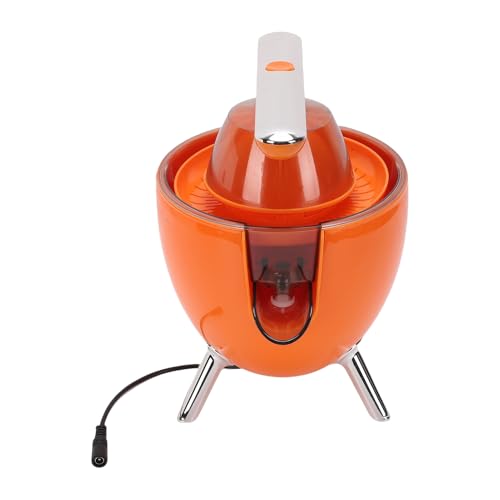
Fdit
Electric Citrus Squeezer, Orange Juicer Manual Lime Press with Pulp
- [EFFORTLESS JUICE EXTRACTION] The electric citrus juicer simplifies your daily juice routine with its straightforward operation; j…
- [ SMOOTH DRINKING] Featuring advanced pulp separation technology, this electric juice squeezer delivers a perfectly smooth juice t…
- [ COMPACT SAVES SPACE] With its thoughtfully compact footprint, the electric orange juicer is ideal for home use and fits seamless…
If you make your own juice at home, a tool like the home orange juice machine can help control portion sizes and pulp content. The Fdit Electric Citrus Squeezer uses pulp separation technology to give you a smooth drink without the bitter bits, and its compact size means you can keep it on the counter without guilt.
The Sugar Math: How Many Oranges Equal Too Much?
A single medium orange has about 12 grams of sugar and 62 calories. You eat one, maybe two, and you’re done. But one cup of orange juice — 8 ounces — requires about three oranges. That same cup holds 21 grams of sugar and 112 calories. No fiber to slow absorption.
The American Heart Association recommends no more than 9 teaspoons (36 grams) of added sugar per day for men and 6 teaspoons (25 grams) for women. Orange juice sugar is natural, but your body treats it the same way once the fiber is gone. One 8-ounce glass of orange juice puts a woman at 84% of her daily limit. Two glasses put her over.
For most adults, one 4-ounce serving per day is safe. That’s half a cup, about 60 calories. If you drink a full 8-ounce glass, that counts as your fruit servings for the day — but you should still eat whole fruit for fiber. Three glasses a day is too much for nearly everyone. That’s 63 grams of sugar, no fiber, and a blood sugar spike that lasts hours.
Who Needs to Be Extra Careful
Not everyone reacts the same way to orange juice. If you fall into any of these groups, you should limit yourself to 4 ounces per day or less.
People with type 2 diabetes or prediabetes. Orange juice has a glycemic index around 66, which is moderate-high. Without fiber, your blood sugar shoots up quickly. A study in the journal Diabetes Care found that whole fruit reduced diabetes risk, but fruit juice increased it. Stick to whole oranges if you can.
Anyone with a history of kidney stones. Orange juice is high in oxalate and citrate. The citrate actually helps prevent calcium oxalate stones in small amounts. But large quantities — more than 16 ounces daily — can backfire and raise oxalate levels. One study showed that drinking 24 ounces of orange juice daily increased urinary oxalate excretion by 30%. That’s a stone risk.
People on statins or certain blood pressure medications. Grapefruit juice is famous for drug interactions, but orange juice can also affect how your body processes some drugs. It may reduce absorption of certain beta-blockers and antihistamines. If you take daily medication, ask your pharmacist whether orange juice is safe in your typical amount.
Anyone trying to lose weight. Liquid calories don’t satisfy hunger like solid food. You can drink 200 calories of orange juice and still want lunch. That’s a fast track to weight gain. One observational study linked daily fruit juice consumption with a 5-pound weight gain over four years.
The Acid Problem: Your Teeth Pay the Price
Orange juice is acidic — pH around 3.5. Your tooth enamel starts to demineralize at pH 5.5. Every sip bathes your teeth in acid for up to 20 minutes. Drink it throughout the day and your enamel gets repeated acid attacks without a chance to recover.
A 2026 study in the Journal of Dentistry showed that drinking orange juice four times a day caused significant enamel erosion after just 15 days. The damage was worst in people who sipped slowly or swished the juice around their mouth.
Here’s what to do: Drink orange juice in one sitting, not over an hour. Use a straw to bypass your front teeth. Don’t brush your teeth for at least 30 minutes after — brushing softened enamel wears it away faster. Rinse with plain water afterward.
For kids, the acid risk is even higher because their enamel is thinner. The American Academy of Pediatrics recommends no more than 4 ounces of 100% fruit juice per day for children ages 1-3, and 4-6 ounces for ages 4-6. Whole fruit is always better.
How Much Orange Juice Is Too Much? A Quick Reference Table
| Daily Amount | Oranges Used | Sugar (grams) | Calories | Risk Level |
|---|---|---|---|---|
| 4 oz (half cup) | 1.5 | 10-11 | 55-60 | Low – fine for most adults |
| 8 oz (one cup) | 3 | 21-22 | 112 | Moderate – watch sugar limit |
| 12 oz (1.5 cups) | 4.5 | 31-33 | 168 | High – too much for daily use |
| 16 oz (2 cups) | 6 | 42-44 | 224 | Very high – risk of sugar spike, stones, enamel erosion |
If you’re using an electric juicer like the Fdit model mentioned earlier, you can easily measure your output. Many people fill their glass twice because it tastes so good. That’s when you cross the line.
Signs You’re Overdoing It
Your body gives clear signals when orange juice intake is excessive. Watch for these:
- Digestive upset — bloating, diarrhea, or cramping after drinking juice. The fructose in large amounts can overwhelm your intestine’s ability to absorb it.
- Frequent urination — orange juice acts as a mild diuretic. Too much means you’re spending half the day in the bathroom.
- Increased thirst, not less — the sugar in multiple glasses can dehydrate you at the cellular level, making you want more juice in a vicious cycle.
- Yellowing of the palms and soles — this is carotenemia, a harmless but startling condition from excess beta-carotene. It goes away when you cut back.
- Blood sugar crashes — after the initial spike, your pancreas releases extra insulin, which can drop sugar low enough to cause shakiness, sweating, or fatigue.
If you experience any of these, drop to 4 ounces a day for a week and see if they resolve. Most people feel a clear difference.
Frequently Asked Questions
Can drinking too much orange juice cause kidney stones?
Yes, if you drink excessive amounts — more than 16 ounces daily. Orange juice contains oxalate, which combines with calcium to form stones in susceptible people. The citrate in moderate amounts helps prevent stones, but the oxalate effect overrides at high volumes. If you’ve had kidney stones before, limit orange juice to 4 ounces per day and drink plenty of water.
Is it okay to give orange juice to babies and toddlers?
No juice before 12 months. After that, limit 100% orange juice to 4 ounces daily for ages 1-3. More than that replaces breast milk or formula and can cause diarrhea, tooth decay, and poor weight gain. Always dilute it with water for the first few servings.
Does drinking orange juice in the morning affect my blood sugar for the whole day?
It can. A 2026 study found that consuming fruit juice with breakfast led to higher blood sugar levels that persisted for the next meal. The sugar spike triggers an insulin surge, which can cause reactive hypoglycemia later. If you have diabetes or insulin resistance, eat whole fruit instead of juicing.
How much orange juice is safe during pregnancy?
One 8-ounce glass per day is generally safe for pregnant women without gestational diabetes. Orange juice provides folate and vitamin C. But watch the sugar — gestational diabetes is common, and fruit juice can spike blood sugar faster than whole fruit. Stick to 4-6 ounces if you have any concerns.
Is homemade orange juice healthier than store-bought?
Homemade juice has more vitamin C because it hasn’t sat on a shelf for weeks. But it also has the same sugar and fiber loss. Store-bought juice is often fortified with calcium and vitamin D, and some brands don’t add sugar — check the label. Both forms require the same serving limits. If you use an electric orange juice squeezer at home, you control the pulp level, but you still need to measure portions.
What to Take Away
- One 4-ounce serving of orange juice per day is safe for most adults. One 8-ounce glass is the absolute maximum.
- Two or more glasses daily raises your risk of weight gain, blood sugar problems, kidney stones, and tooth enamel erosion.
- Eat the whole orange instead whenever possible. You get fiber, fewer calories, and longer satiety.
- If you drink juice, do it in one sitting with a straw. Rinse with water after. Don’t brush your teeth for 30 minutes.
- Children, diabetics, people on certain medications, and anyone with kidney stones should limit to 4 ounces or less per day.
- Watch for signs like bloating, frequent urination, or thirst that won’t quit — those mean you’re past the limit.
- Use a fresh orange juice machine with pulp control if you want to keep some fiber in your drink. A little pulp is better than none.