
How to Juice a Pomegranate in an Electric Juicer: Quick & Easy Guide
You bought a beautiful pomegranate at the market, brought it home, and now it sits on the counter. You know it’s packed with antioxidants and that deep ruby juice is worth having. But the moment you cut it open, you’re facing hundreds of little seeds, white pith, and a sticky mess waiting to happen. If you’ve ever tried to juice one by hand, you know it’s a workout with a payoff that barely fills a glass.
An electric juicer changes that math completely. You can get a full glass of clean, tart-sweet juice in under five minutes with almost no elbow grease. But there is a trick to it. You can’t just chuck a halved pomegranate into a centrifugal juicer and hope for the best. You’ll end up with bitter, chalky juice and a machine that looks like a crime scene. This guide walks you through the exact prep work, the best juicing method for your machine type, and how to keep the bitterness out of your glass.

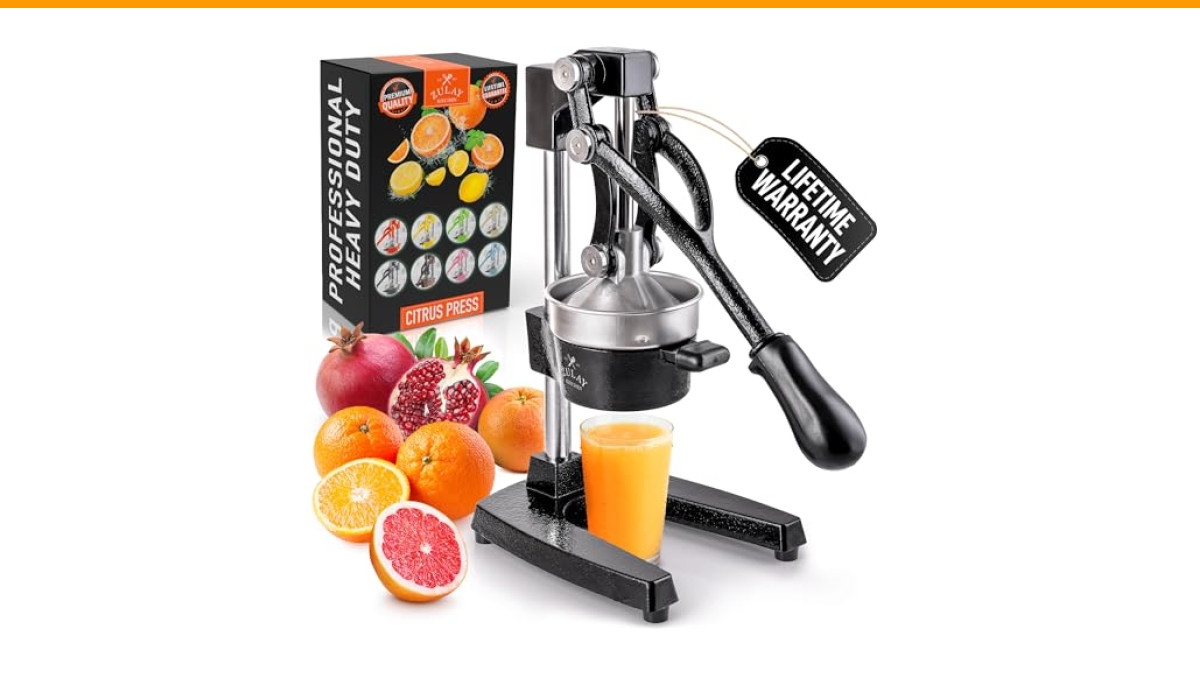
Zulay Kitchen
Zulay Kitchen Cast Iron Juicer, Orange Manual Juicer, Citrus Press, Black | Heavy Duty Stainless Steel Fruit Hand Press for Orange, Lemon, Citrus Fruit Juice & More, Easy to Clean, Lemonade Stand Ready
- Squeeze Out Every Last Drop: Our citrus press extracts maximum juice while keeping seeds out of your glass and minimizing pulp. Th…
- Save Time & Effort: One press. Full juice. The cast iron lever arm delivers serious mechanical advantage, powering through thick-s…
- Built to Last a Lifetime: Crafted from heavy-duty cast iron, this manual juicer is engineered to handle continuous, high-pressure…
You’ll walk away knowing how to juice a pomegranate in an electric juicer the right way, plus a slower manual fallback for when you don’t want to haul the machine out. Let’s get to it.
If you’re only making one or two pomegranates and don’t want to clean an electric machine, a sturdy manual press works wonders. The Zulay Kitchen Cast Iron Juicer handles citrus beautifully, and while pomegranates aren’t citrus, the same press-and-extract principle applies if you wrap the seeds in cheesecloth. It’s a nice backup for small batches.
Prep Work: The Only Way to Avoid Bitter Juice
The white pith and the membrane inside a pomegranate are loaded with tannins. Those tannins taste dry, harsh, and ruin an otherwise perfect glass of juice. Your electric juicer will happily pulverize the pith right along with the seeds if you let it. So the prep step isn’t optional.
Here’s the cleanest method I’ve found, and it takes about three minutes per fruit:
- Score the skin. Use a sharp knife to cut a shallow circle around the crown (the pointy bit on top). Cut just through the skin, not into the seeds.
- Break it open. Twist the fruit along the score line. It should pop into two halves. If it resists, give it a gentle smack with the flat side of the knife blade.
- Whack the back. Hold one half cut-side down over a deep bowl. Use a heavy wooden spoon or a rolling pin to whack the skin firmly. The seeds will rain out in about 15 seconds. This works way better than picking them out with your fingers.
- Pick out the white bits. Spend 30 seconds pulling out any flat pieces of pith that fell in with the seeds. This is the difference between great juice and bitter juice.
Once you have a bowl of clean, dry arils (that’s the proper name for the seed casings), you’re ready for the machine. Don’t wash the seeds. A little water is fine, but excess water just dilutes the juice.
Centrifugal vs. Masticating: Different Machines, Different Rules
Most people own a centrifugal juicer. It’s the kind with a fast-spinning basket that shreds produce and flings the juice through a screen. Masticating juicers, also called cold-press or slow juicers, crush and squeeze the produce instead. Both can handle pomegranate seeds, but they need different treatment.
For a centrifugal juicer: Feed the seeds in small handfuls, about a quarter cup at a time. Don’t dump them all in at once. The high speed can fling seeds out the top or clog the screen if you overload it. Alternate each handful of seeds with a small piece of apple or a celery stalk. That extra fibrous material helps push the pomegranate pulp through the screen and keeps the basket from gumming up. You’ll get a little apple or celery flavor mixed in, but it’s subtle and honestly improves the texture.
For a masticating juicer: These machines work slower and produce less foam. They also handle the seeds more gently, so you get a slightly higher yield. Feed the seeds at a steady, moderate pace. You don’t need the apple or celery chaser as much, but a small piece of ginger or a pear goes nicely if you want to add a flavor layer.
One thing to watch for on any electric machine: the seeds are small and hard. If your juicer has a very narrow feed tube, don’t try to force whole seeds through. They’ll bounce around and make a mess. Stick to the small-handful method and use the plunger that came with your machine.
Step-by-Step: Juicing Pomegranate Seeds in an Electric Juicer
Here’s the full sequence I use every time. It’s fast, clean, and yields about 1/2 cup of juice per pomegranate. That’s the standard yield for a medium-sized fruit.
- Prep the fruit. Score, crack, and whack the seeds out as described above. Remove all visible pith.
- Set up your machine. Assemble the juicer with the fine mesh strainer if you have one. Pomegranate juice is naturally pulpy, and a coarse strainer lets too much sediment through.
- Start the machine. Turn it on and let it reach full speed before you drop anything in.
- Feed in small batches. Add a quarter cup of seeds, let them process for 3-4 seconds, then add another. Keep a steady rhythm.
- Use a chaser. If you’re using a centrifugal machine, push a small piece of apple or a celery rib through after every two or three handfuls of seeds. This clears the screen and keeps the juice flowing.
- Collect and strain. Pour the juice through a fine-mesh sieve or a nut milk bag to catch any stray seed fragments. This step is quick but saves you from crunching on a hard bit later.
- Drink or store. Fresh pomegranate juice oxidizes fast. It’s best within 24 hours. Store it in a sealed glass jar in the fridge and give it a shake before drinking, because the sediment will settle.
The whole process takes about 10 minutes for two pomegranates, including cleanup. That’s a full glass of juice for roughly the same time it takes to brew a pot of coffee.
Comparing Your Options: Electric vs. Manual vs. Blender
Not every day calls for dragging out the big machine. Here’s how the three main methods stack up so you can pick the right tool for the moment.
| Method | Time (2 pomegranates) | Yield | Cleanup Effort | Best For |
|---|---|---|---|---|
| Electric centrifugal juicer | 8-10 minutes | ~1 cup | Medium (basket, lid, bowl) | Regular juicing, making a batch |
| Electric masticating juicer | 10-12 minutes | ~1 cup, slightly more | Medium (multiple parts) | Maximum yield, less foam |
| Manual press (like the Zulay) | 15-20 minutes | ~3/4 cup | Low (one bowl, one press) | Small batches, no electricity |
| Blender + strainer | 10 minutes | ~3/4 cup | High (blender + cloth strainer) | No juicer available |
That manual method deserves a bit more explanation. Wrap a half cup of seeds in a double layer of cheesecloth, fold it into a bundle, and press it under the lever of the cast iron citrus press. It takes a few presses per bundle, but the mechanical leverage squeezes out most of the juice. It’s messier than an electric machine, but the cleanup is a single rinse.
Common Mistakes That Ruin Pomegranate Juice
You’ll make these mistakes once, and then you’ll never make them again. Here’s what to avoid.
Juicing the whole fruit. I’ve seen recipes that tell you to quarter a pomegranate and run it through a masticating juicer whole. Don’t. The pith and skin contain heavy tannins and a waxy compound that tastes like cardboard. The juice comes out brown and undrinkable. Always remove the seeds.
Overloading the feed tube. A big handful of seeds hits the spinning blade, and half of them bounce back up at you. It’s messy and it slows you down. Small handfuls process faster in the long run.
Skipping the final strain. Even a good juicer lets a few seed fragments through. Crunching on a hard piece of seed shell is a jarring way to end a sip. A quick strain through a fine sieve fixes it completely.
Waiting too long to drink it. Pomegranate juice loses its bright color and fresh taste within 48 hours. It doesn’t go bad, but it gets dull. Juice what you’ll drink today or tomorrow.
Frequently Asked Questions
Can I juice a whole pomegranate in an electric juicer?
Technically yes, but you shouldn’t. The skin and pith contain bitter tannins that ruin the flavor. You’ll get a muddy, astringent juice that tastes nothing like the fresh arils. Always remove the seeds first. It takes three extra minutes and makes the juice dramatically better.
Do I need to remove the white pith from each seed?
No, not from each seed. The thin white line on an individual aril is fine to juice. You only need to remove the large, flat pieces of pith and the papery membrane that holds the seed clusters together. Those are the parts with heavy tannin concentration.
Why is my pomegranate juice foamy?
Foam happens when the juice gets aerated, which is what a fast-spinning centrifugal juicer does. It’s harmless. Let the juice sit for a minute and the foam will settle, or skim it off with a spoon. A masticating juicer produces much less foam because it works slower.
How much juice is in one pomegranate?
A medium pomegranate yields about 1/2 cup of juice. Larger varieties like the Wonderful can push closer to 3/4 cup. If you’re following a recipe that calls for a cup of pomegranate juice, plan on buying two or three fruits depending on their size.
Can I juice frozen pomegranate seeds?
Yes, and they actually work well. Frozen seeds juice almost identically to fresh ones. Let them sit at room temperature for 10 minutes so they’re not rock hard, then feed them through the machine the same way. This is a great option when pomegranates are out of season. For more details on the process, check this pomegranate juicing guide.
What You Should Remember
- Always remove the seeds from the pith and skin before juicing. The tannins will ruin your glass.
- Whack the back of the halved pomegranate with a wooden spoon to release seeds in seconds.
- Feed seeds in small handfuls, not all at once, to prevent clogs and splatter.
- Use a piece of apple or celery as a chaser in a centrifugal juicer to keep the screen clear.
- Strain the finished juice through a fine sieve to catch stray seed fragments.
- Drink fresh pomegranate juice within 24 hours for the best flavor.
- For small batches, a manual press like the Zulay cast iron juicer works fine if you wrap the seeds in cheesecloth.
Pomegranate juice is one of those things that tastes wildly better when you make it yourself. The bottled stuff is often diluted with apple or grape juice to cut costs. Once you’ve had the real thing, straight from the fruit, you’ll understand the difference. If you’re curious about how other fruits behave in the same machine, this fruit juice guide covers apples, pears, and melons. And if you want to branch out into orange juice for a breakfast blend, this orange juice method pairs well with the pomegranate.
