
How to Make Fruit Juice With a Juicer: Easy Steps for Fresh Flavor
You bought a juicer, brought it home, and now it sits in the cabinet. The first attempt left pulp everywhere, the juice tasted flat, and cleaning took forever. Most people give up after that first messy try. The problem isn’t the machine — it’s the method.
Making fruit juice with a juicer comes down to a few simple steps: prep the fruit properly, feed it at the right speed, and know which fruits behave differently. This guide walks through each step with specific numbers and conditions, not vague advice. You’ll learn what to peel, when to use the low setting, and why foam isn’t your enemy. By the end, you’ll have a glass of juice that tastes better than anything from a bottle.

Juilist
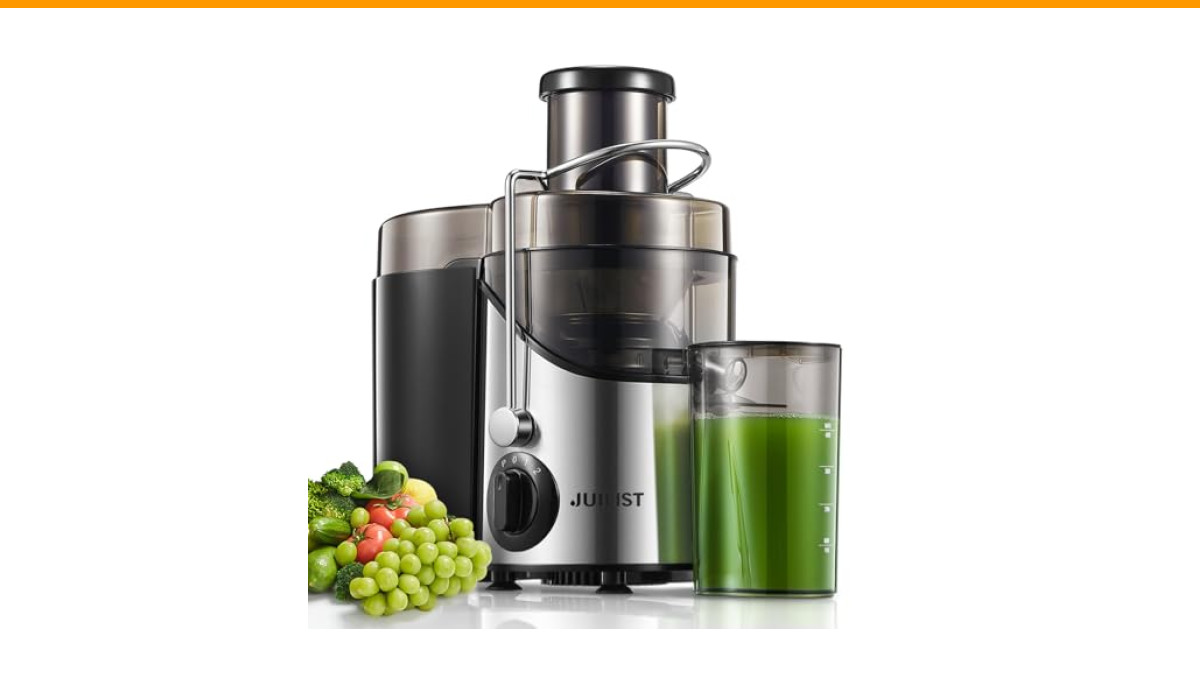
Juicer Machines, Juilist 3" Wide Mouth, Max 800W, 3-Speed 400W Easy-Clean | Max 800W 3-speed juice extractor for fruits and vegetables, compact countertop body, easy-clean parts and safety lock
- New and Improved - Our Newest Centrifugal Juicer brings Customizable juicing filter provides more juicing possibilities. Optimized…
- Are you tired of long juicing times -The juicer machine's high-speed max power can reach 800Wmotor juices fruit and vegetable fast…
- Are you looking for a juicer with a juice yield that takes up little counter space - The compact design takes up little room on yo…
A machine like the Juilist 800W centrifugal juicer makes the process easier with a 3-inch wide feed chute and three speed settings. It cuts prep time because you can drop in whole apples and large carrot chunks. The dishwasher-safe parts also solve the cleanup problem that stops most people from juicing daily.
The Truth About Prep: What to Peel and What to Skip
Most juicing mistakes happen before the machine even turns on. People peel things that don’t need peeling, and leave skin on things that ruin the flavor.
Always peel citrus. Orange and grapefruit rinds contain bitter oils. Even a small strip of white pith can make the whole batch taste harsh. Remove the peel and the white layer completely. The same goes for pineapple — the skin is tough and fibrous, and it will dull your blades over time.
Keep the skin on apples, pears, and cucumbers. The skin holds a good amount of the nutrients and most of the flavor. Just wash them thoroughly. A firm scrub with a vegetable brush removes the wax coating that commercial growers apply.
Stone fruits like peaches, nectarines, and plums need their pits removed. The pit is hard enough to damage a centrifugal blade. Cut around it, then quarter the fruit.
Berries need almost no prep. Strawberries just need the green tops removed. Blueberries and raspberries go in whole. One thing worth noting: berries produce a lot of foam. That foam carries flavor, so don’t skim it off.
Bananas and avocados don’t belong in a centrifugal juicer. They contain almost no water, so they turn into a paste that clogs the filter basket. If you want banana in your juice, use a blender instead and mix the puree into the finished juice.
Speed Matters More Than You Think
Most centrifugal juicers have two or three speed settings. The Juilist model offers three speeds up to 800W. Many people just hit the highest setting for everything. That’s a mistake.
Soft fruits need low speed. Kiwi, berries, grapes, and ripe mangoes break down too fast on high. The pulp gets thrown against the filter so hard that it creates a paste, which blocks the holes and reduces yield. Run these fruits on the low setting — usually around 6,000 to 8,000 RPM.
Hard fruits need high speed. Apples, carrots, beets, and celery require more force to extract the juice efficiently. The high setting, typically 12,000 to 15,000 RPM, handles them in seconds. Feed these fruits at a steady pace — not too fast, not too slow. About one piece every two to three seconds works well.
Here’s a practical approach for mixed juices: start with the hard fruit on high speed, then switch to low for the soft fruit. Or do them in separate batches and stir the juices together. The difference in yield is noticeable — up to 20% more juice from soft fruits when you use the correct speed.
The Order of Operations: A Foolproof Sequence
Follow this sequence every time, and you’ll get consistent results.
- Wash and cut everything first. Cut hard fruits into pieces that fit the feed chute. For a 3-inch chute, that means quarters for most apples and carrots cut in half lengthwise.
- Run a small piece of fruit through first. This clears out any dust from storage and primes the system. A single apple wedge works fine.
- Alternate soft and hard ingredients. If your recipe includes both, feed a hard piece, then a soft piece. This pushes pulp through the system and prevents clogging.
- Use the plunger gently. Push only as hard as needed to keep the fruit moving. Forcing it slows the motor and reduces juice yield.
- Wait for the juice to stop flowing before adding the next piece. This gives the machine time to process each piece fully.
- Let the machine run for 10 seconds after the last piece. This extracts the remaining juice from the pulp still spinning in the basket.
One thing I learned the hard way: don’t overload the feed chute. The 3-inch wide mouth lets you drop in large pieces, but stuffing it full slows the motor and produces a chunkier pulp that holds more juice. Smaller batches with a steady pace always yield more liquid.
Common Myths That Ruin Your Juice
Myth: Higher Wattage Always Means More Juice
Not exactly. Wattage determines motor strength, which affects how fast the blade spins and how well it handles hard produce. But juice yield depends more on the filter basket design and the speed setting you choose. A 400W juicer on the correct speed will outperform an 800W juicer on the wrong speed. The Juilist’s claim of up to 26% more juice than other 800W models comes from its optimized filter design, not just raw power.
Myth: You Should Strain Out the Foam
Foam is just juice with air bubbles in it. It contains the same vitamins and flavor as the liquid below. Skimming it off wastes a surprising amount of juice — often a quarter of the glass. Instead, stir the foam back in or let it settle for a minute before drinking.
Myth: All Fruits Should Be Juiced Cold
Cold fruit produces slightly more juice because the cells are firmer and break more cleanly. But room-temperature fruit releases more aromatic compounds, which makes the juice taste sweeter. For the best balance, use fruit that’s chilled but not straight from the freezer. If you’re working with frozen fruit, thaw it for 15 minutes first — frozen chunks can damage the blades.
Yield Comparison: Which Fruits Give the Most Juice
Not all fruits are created equal when it comes to juice yield. Here’s a realistic look at what you get from common fruits, based on average moisture content and typical centrifugal extraction:
| Fruit | Yield per 1 cup (chopped) | Best Speed | Notes |
|---|---|---|---|
| Watermelon | ~3/4 cup | Low | Remove seeds; rind optional but bitter |
| Orange | ~1/2 cup | Low | Peel completely; pith adds bitterness |
| Apple | ~2/3 cup | High | Keep skin; core not necessary |
| Strawberry | ~1/2 cup | Low | Hulls off; expect heavy foam |
| Pineapple | ~3/4 cup | High | Peel and core; skin dulls blades |
| Grape | ~3/4 cup | Low | Stems off; seeds are fine |
| Mango | ~1/3 cup | Low | Peel and pit; very fibrous |
These numbers assume you’re using ripe fruit. Under-ripe fruit always yields less juice and tastes more tart. If your fruit isn’t sweet, add a squeeze of lemon or a small apple to balance the flavor.
How to Clean Your Juicer in Under 5 Minutes
Cleaning is the real reason most juicers end up in storage. The key is to rinse immediately after use, before the pulp dries.
Start by unplugging the machine. Disassemble the parts — the lid, the filter basket, and the pulp container. Rinse each piece under warm running water. The pulp comes off easily while it’s still wet.
Use the brush that came with your juicer to scrub the filter basket. Work from the inside out, pushing pulp through the holes. This takes about 60 seconds if you do it right after juicing.
Most parts, including the Juilist’s, are dishwasher-safe. Place them on the top rack and run a normal cycle. The filter basket is the only part that might need a quick hand wash if pulp has dried on it.
One trick: soak the filter basket in warm soapy water while you drink your juice. By the time you’re done, the remaining pulp lifts off with a simple rinse.
Frequently Asked Questions
How much fruit do I need for one glass of juice?
For a standard 8-ounce glass, plan on roughly 2 to 3 cups of chopped fruit. Softer fruits like watermelon and oranges give more juice per cup, while fibrous ones like mangoes give less. If you’re making juice for two, double the amount and expect about 16 ounces total.
Can I mix vegetables with fruit in the same batch?
Yes, and it’s a great way to cut the sugar content. Carrots and apples are a classic combo. Cucumber pairs well with pear. Just remember to run the hard vegetables on high speed first, then switch to low for the soft fruit. Check out this carrot juice guide for specific ratios.
Why is my juice foamy and is that normal?
Foam happens because centrifugal force whips air into the juice. It’s completely normal and contains the same nutrients as the liquid. You can reduce foam by juicing at lower speeds, but you’ll never eliminate it entirely. Stir it back in or let it settle for a minute.
How long does fresh juice last in the fridge?
Fresh juice lasts 24 to 48 hours in an airtight container in the refrigerator. The flavor degrades quickly because oxidation starts immediately. For the best taste, drink it within a few hours. If you must store it, fill the container to the top to minimize air exposure.
Do I need to peel apples before juicing?
No. Apple skin contains quercetin and other beneficial compounds, and it adds a slight tartness that balances the sweetness. Just wash the apple thoroughly to remove wax and pesticides. The only exception is if you’re juicing for someone with a sensitive digestive system — the skin can be hard to process for some people.
Can I juice frozen fruit?
Partially thawed fruit works, but fully frozen fruit can damage the blades and strain the motor. Thaw frozen berries or mango chunks for 15 to 20 minutes before juicing. The juice will be colder and slightly thicker, which some people prefer. Just don’t rush this step.
What to Do With the Leftover Pulp
Don’t throw the pulp in the trash. It still holds fiber and some flavor. Here are a few practical uses:
- Add apple or carrot pulp to muffin or pancake batter for moisture.
- Mix pulp into homemade veggie burgers or meatloaf.
- Spread pulp on a baking sheet and dehydrate it into fruit leather.
- Compost it if you garden — it breaks down quickly.
Pulp from soft fruits like berries works better for baking. Pulp from hard vegetables like carrots works better for savory dishes. Keep separate containers if you juice different batches.
Final Tips for Consistent Results
- Cut fruit into uniform pieces — about 1 to 2 inches — so they feed through evenly.
- Match the speed to the fruit: low for soft, high for hard.
- Rinse the machine immediately after each use, even if you plan to clean properly later.
- Use ripe fruit. Under-ripe fruit yields less juice and tastes flat.
- Drink juice within a few hours for the best flavor and nutrient content.
- Keep a plastic bag next to the juicer for quick pulp disposal.
- If you’re new to juicing, start with simple two-ingredient combinations before trying complex recipes.
Juicing doesn’t need to be a production. With the right prep and speed settings, you can go from whole fruit to a full glass in under five minutes. The cleanup takes another two. That’s faster than driving to a juice bar and a fraction of the cost. For more specific fruit guides, check out how to make orange juice or grape juice with your machine.
The best juice you’ll ever taste is the one you make yourself. Not because it’s cheaper, but because you control exactly what goes in the glass. No added sugar, no preservatives, no mystery ingredients. Just fruit, processed the right way.