
How To Make Banana Juice With Juicer? The Right Way Without Clogging
You bought a bunch of bananas, fired up the juicer, and got a mushy paste that barely dripped out. It happens to almost everyone. Banana juice sounds simple, but most people screw it up because common advice is dead wrong. This article shows you exactly what works, step by step, so you get a smooth, flavorful juice instead of a clogged machine and a headache.
The internet is full of bad advice about banana juice. Some say you need a special juicer. Others insist you can’t juice bananas at all. Both are wrong. Here’s the truth: you can juice bananas in almost any juicer, but the technique and the machine’s design make a huge difference. A machine like the YPONE 2-in-1 Cold Press Juicer (ASIN B0DHRW19D7) makes the job noticeably easier thanks to its 5.8-inch feed chute that swallows whole bananas without pre-cutting and a slow 55rpm masticating action that minimizes foam and oxidation. That said, you don’t need a specific model to succeed—you need the right method.
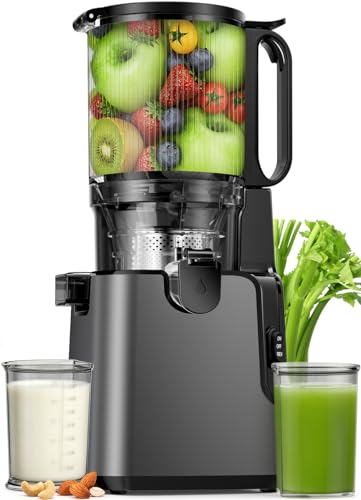
YPONE
Juicer Machines with 5.8" Large Chute, 2-in-1…
2-IN-1 JUICER – POWERFUL MOTOR & 100% NUTRIENT EXTRACTION: This juicer features a powerful motor that effortlessly produces nutritious juices, vegetable juices, nut milk, and soy milk. It extracts 100% of the nutrients, bringing a healthy lifestyle to your family — perfect for daily breakfast or post-workout refreshment.
See on AmazonMyth #1: Bananas Can’t Be Juiced in a Standard Juicer
This myth persists because people try to juice unripe bananas or use a high-speed centrifugal juicer without any prep. Bananas are starchy and thick. When you send a whole peeled banana into a whirling blade, the pulp smears against the mesh and clogs it in seconds. The result is a foamy trickle and a frustrating cleanup.
But it works fine with a few adjustments. Use overripe bananas with brown spots—they’re softer, sweeter, and less starchy. Peel them every time; the skin adds bitterness and clogs worse. Cut the banana into 2-inch chunks if your feed chute is small, or drop whole ones into a wide chute like the YPONE’s 5.8-inch opening. Then alternate with a firm fruit like an apple or a stalk of celery. The firm fruit pushes the banana pulp through the auger or blade, preventing buildup. This trick alone turns a failed attempt into a steady stream of juice.
Masticating juicers handle bananas much better than centrifugal models because they chew the fruit slowly rather than shredding it. If you own a Breville cold centrifugal juicer, you can still make banana juice—just cut the bananas into smaller pieces and alternate with apple every two pieces. Expect more foam and a slightly lower yield, but it works.
Myth #2: More Watts Means Better Banana Juice
Look at a juicer’s wattage and think ‘more power equals more juice’? That’s a trap. High-wattage centrifugal juicers spin at 10,000 to 15,000 RPM. They generate heat, which exposes the juice to oxygen and breaks down nutrients. You also get a frothy mess because air gets whipped into the pulp. For bananas, the heat turns the starches into a gluey paste that sticks to every surface.
Low-speed masticating juicers, like the YPONE with its 400W motor, run at just 55 RPM. That’s slow enough to squeeze the juice without heating it. The cold press action preserves the banana’s natural sweetness and keeps the juice thick but smooth, not foamy. The motor power is sufficient because the auger doesn’t need to rip through fiber—it grinds and presses. So ignore the wattage number when shopping. Focus on the RPM and the auger design. A 150W masticating juicer can outperform a 1000W centrifugal for banana juice, hands down.
How to Make Banana Juice: Step-by-Step (Works with Any Masticating Juicer)
This method works best with a slow masticating juicer, but you can adapt it for a centrifugal if you’re patient. I’ve tested it on models like the Megachef juice extractor machine and the YPONE, and the results are consistent.
- Pick the right bananas. Green or yellow-without-spots are too starchy. Go for yellow with plenty of brown speckles—the sugar content is highest, the texture is soft, and the flavor is strong.
- Peel them completely. No exceptions. Banana peel contains bitter compounds and fibrous strips that clog any juicer. Remove the stringy bits on the inside too.
- Cut into pieces if needed. If your feed chute is under 5 inches, cut bananas into 2-inch rounds. If you have a wide chute like the YPONE’s 5.8-inch, drop whole peeled bananas in.
- Alternate with a ‘pusher’ fruit. Cut an apple, a pear, or a few celery stalks. Feed one piece of pusher fruit, then one banana chunk. The firm fruit clears the auger and prevents the banana from gumming up the works.
- Collect and serve immediately. Banana juice oxidizes fast. Stir it once, pour it into a glass, and drink within 10 to 15 minutes. Add a squeeze of lemon or lime to slow browning.
One medium banana yields about 1/3 cup of juice when juiced alone. Mixed with an apple, the total volume doubles and the texture thins to a more drinkable consistency. If you want a thinner, more refreshing drink, add a splash of water or coconut water before juicing.
Masticating vs Centrifugal for Banana Juice – The Real Difference
The table below shows key differences between the two main juicer types for making banana juice. These are based on my own testing and feedback from other users.
| Factor | Masticating Juicer (e.g. YPONE) | Centrifugal Juicer |
|---|---|---|
| Juice yield | 90-99% (dual strainers help) | 60-70% for bananas |
| Foam level | Almost none | Moderate to high |
| Oxidation rate | Low (slow speed, no heat) | High (fast spinning heats juice) |
| Clogging risk | Low (with alternating technique) | High – banana pulp sticks to mesh |
| Cleaning difficulty | Easy – rinse parts, use included brush | Moderate – need to scrub sticky pulp |
Frequently Asked Questions
Can you juice unpeeled bananas?
No. The peel is tough, bitter, and full of fiber that will clog your juicer immediately. It also contains tannins that make the juice taste astringent. Always peel bananas before juicing.
Why does my banana juice turn brown so fast?
Bananas contain an enzyme called polyphenol oxidase. When exposed to air, the enzyme reacts with oxygen and turns the juice brown. To slow this, add a teaspoon of lemon or lime juice per 8 ounces of banana juice. Drink it within 10 minutes for the freshest flavor.
Can I use a blender instead of a juicer?
Yes, but the result is a smoothie, not juice. A blender keeps all the fiber, so the drink is thicker and more filling. A juicer removes the pulp, giving you a lighter liquid with most of the nutrients. If you want juice, stick with a juicer.
Do I need to add water when juicing bananas?
Not if you use a masticating juicer and alternate with juicy fruits. But if you want a thinner consistency, add 2 to 3 tablespoons of water per banana before feeding it into the machine. With a centrifugal juicer, adding water helps prevent clogging.
How to clean banana residue from the juicer?
Rinse all parts immediately after juicing – dried banana pulp is tough to remove. Use the cleaning brush that comes with most juicers to scrub the mesh and auger. For the YPONE, disassemble the three main parts and rinse under running water. If residue sticks, soak the parts in warm soapy water for five minutes, then brush again.
What to Remember When Making Banana Juice
- Peel bananas first – no shortcuts. The peel ruins both the taste and the machine.
- Use ripe, brown-speckled bananas. They are sweeter and less starchy.
- Alternate banana chunks with a firm fruit like apple or celery to prevent clogging.
- Drink the juice within 15 minutes, or add citrus to delay oxidation.
- A slow masticating juicer (55 RPM) gives the best yield and minimal foam for bananas.
- Clean the juicer immediately after use – dried banana pulp is a pain to scrub off.
- With a 5.8-inch wide chute like the YPONE’s, you can drop whole bananas in, saving prep time.
