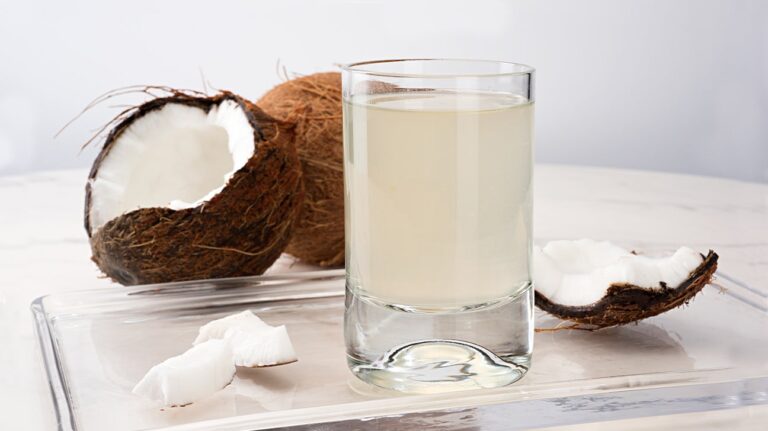
Is Coconut Water the Same As Coconut Juice: Unveiling the Truth
You grab a bottle labeled ‘coconut juice’ at the store, expecting that clear, slightly sweet drink you love after a run. But the liquid inside looks milky and thick. Did you grab the wrong thing? Or are these names just marketing fluff for the same product?
This confusion happens all the time. Bottled coconut products sit side by side on shelves—coconut water, coconut juice, coconut milk, coconut cream. The labels blur together. The truth is they are not the same, and picking the wrong one can ruin a recipe or leave you short on electrolytes when you need them most.
By the time you finish this article, you will know exactly what each term means, how to read a label like a pro, and which product fits your kitchen and your body. No more guesswork.
If you just want a clean, reliable coconut water without pulp or added sugar, 365 by Whole Foods Market Organic Coconut Water is a solid choice. It’s 100% pulp-free, organic, and a good source of potassium—perfect for smoothies or straight-up hydration after a workout.
The Short Answer: No, They Are Not the Same
Coconut water and coconut juice are different products. Most drink brands use ‘coconut water’ correctly: it is the clear liquid inside a young green coconut. ‘Coconut juice’ is an ambiguous term manufacturers throw around. Sometimes they mean the same as coconut water. Other times they mean coconut milk that has been thinned with water and sweetened.
There is no FDA standard defining ‘coconut juice.’ So a brand can call anything coconut-related ‘juice.’ This is the root of the confusion. The safest rule: if the liquid is clear or slightly translucent, it is coconut water. If it is white and opaque, it is coconut milk—and the label calling it juice is misleading.
What Exactly Is Coconut Water?
Coconut water is the natural liquid inside a green, unripe coconut. One coconut gives roughly 200–300 milliliters of water. It is low in calories (about 45 per cup) and loaded with electrolytes—especially potassium (600 mg per cup) and magnesium (60 mg).
Because it contains natural sugars and minerals, athletes use it for rehydration. Studies show it works as well as sports drinks for mild to moderate exercise, without the artificial colors or high fructose corn syrup.
Real coconut water is not creamy. It has a thin, watery consistency with a mild sweetness and a faint nutty finish. Some brands add pulp or puree for texture, but pure coconut water should pour like slightly cloudy water.
What to look for on the label
Look for ‘100% pure coconut water’ with no added sugar or flavor. Check the ingredients list—it should be one ingredient: coconut water. Some brands add citric acid for shelf stability; that is acceptable.
Beware of ‘coconut water from concentrate.’ That means water removed, shipped, then water added back. It tastes different and loses some delicate flavor. Whole Foods Market’s 365 organic version is not from concentrate and has no pulp—just coconut water.
What Exactly Is Coconut Juice?
Here is where it gets messy. ‘Coconut juice’ can mean three different things depending on the brand and country:
- Unregulated synonym for coconut water. Some grocery stores label clear coconut water as ‘juice’ for marketing. If the liquid is clear, it is water.
- Thinned coconut milk. Many Asian brands sell ‘coconut juice’ sweetened and diluted for drinking straight. This is coconut milk mixed with water and sugar. It is white, creamy, and about 80–120 calories per cup.
- Coconut milk from grated meat. Technically ‘coconut milk’ is made by grating mature coconut meat and squeezing out the liquid. Some companies call this ‘coconut juice’ to sound healthier.
If you buy a carton labeled ‘coconut juice’ and it looks white, you are getting sweetened coconut milk. That product has almost no electrolytes and far more fat. Not great for hydration, but delicious in curries and desserts.
How to Tell Them Apart at the Grocery Store
You do not need to read every fine-print ingredient. Use your eyes and hands. Pick up the bottle. Shake it gently. If the liquid is crystal clear or slightly hazy like water, it is coconut water. If the liquid is opaque white and coats the inside of the bottle like milk, it is coconut milk—no matter what the front label says.
The packaging also gives clues. Coconut water is often sold in shelf-stable Tetra Paks or chilled plastic bottles. Coconut milk comes in cans (for cooking) or larger cartons (for drinking). But many beverage brands blur this line. So always look at the liquid, not the package.
| Product | Appearance | Calories (per cup) | Fat | Electrolytes | Best Use |
|---|---|---|---|---|---|
| Coconut Water | Clear, slightly cloudy | ~45 | 0 g | High (K, Mg, Na) | Hydration, smoothies, post-workout |
| Coconut Juice (when it means water) | Clear, slightly cloudy | ~45 | 0 g | High | Same as water |
| Coconut Juice (when it means milk) | White, opaque | ~80–120 | 5–10 g | Low | Drinking, desserts, coffee creamer |
| Coconut Milk (canned) | White, thick, creamy | ~230 (full fat) | 20–25 g | Very low | Cooking, curries, sauces |
Why the mix-up hurts your recipe
Substituting coconut milk for water in a smoothie changes the entire nutrition profile. You lose 600 mg of potassium and gain 10 grams of fat. Not what you want if you are drinking it for recovery. Conversely, using water in a curry leaves you with a thin, watery sauce.
If you are looking for a best juicer for the money to make fresh coconut water at home, remember that green coconuts are hard to juice with standard centrifugal machines. A masticating juicer or a simple hand-crank coconut opener works better. But for convenience, bottled options like the 365 Whole Foods Market organic coconut water are hard to beat.
Common Questions People Ask
Is coconut juice the same as coconut milk?
No. Coconut milk is made from grated mature coconut meat and water. Coconut juice is an ambiguous term that may mean coconut water, coconut milk, or a blend. If the liquid is white and creamy, it is milk. If it is clear, it is water.
Can I drink coconut juice if I am watching my sugar intake?
It depends on which product you have. Pure coconut water has about 6 grams of natural sugar per cup. Sweetened coconut milk (sold as juice) can have 12–20 grams of added sugar. Check the nutrition label—if sugars are above 10g per cup and the first ingredient is not coconut water, it is likely sweetened milk.
Does coconut water have more electrolytes than sports drinks?
Coconut water contains potassium, magnesium, and sodium. One cup has about 600 mg potassium—more than most sports drinks. But sports drinks have more sodium (around 110 mg per cup) and less potassium. For heavy sweating, you may need extra sodium. For moderate activity, coconut water is excellent.
Why does my coconut water sometimes taste sour or fizzy?
That means it has fermented. Coconut water is sensitive to heat and light. If a bottle is left unrefrigerated or past its expiration date, natural bacteria produce lactic acid. It becomes sour and slightly carbonated. Do not drink it. Always check the sell-by date and store unopened cartons in a cool, dark place.
Which is better for making smoothies: coconut water or coconut juice?
Use coconut water if you want a thin, hydrating base with no fat. Use coconut milk (sometimes labeled juice) if you want a creamy, rich texture—like in a tropical smoothie bowl. A Juice Fountain Cold Plus juicer can handle coconuts if you remove the shell, but for speed, bottled products work fine.
What You Actually Need to Remember
- Check the liquid color and consistency. Clear = coconut water. White = coconut milk (or sweetened milk).
- Never trust the front label alone. Read the ingredients list. If it says ‘coconut water’ first, you are good.
- For hydration and electrolytes, choose unsweetened 100% coconut water. The 365 Whole Foods Market organic version is a dependable option with no pulp.
- For cooking or creamy drinks, buy coconut milk in a can or carton labeled ‘coconut milk.’ Ignore the term ‘juice’ if it is white.
- Avoid ‘coconut water from concentrate’ if you can. It tastes less fresh and sometimes has added sugar.
- Store unopened coconut water in a pantry away from heat. Once opened, keep it in the fridge and finish within 3 days.
- If you ever see ‘coconut juice’ on a menu or bottle, ask what exactly is in it. The server likely does not know either.