
Is Pineapple Juice Safe for Gluten Intolerant Individuals?
You’re standing in the juice aisle, gluten-free checklist running through your head. Pineapple juice sounds perfect — cold, sweet, tropical. But then the doubt creeps in. Could something so simple really be safe? It’s a fair question. Gluten hides in unexpected places, and fruit juice isn’t automatically free of it.
This article walks you through exactly what matters. You’ll learn where gluten can sneak into pineapple juice, how to read labels like a pro, and which products pass the test. By the end you’ll know with certainty which cartons, cans, and fresh options to grab.
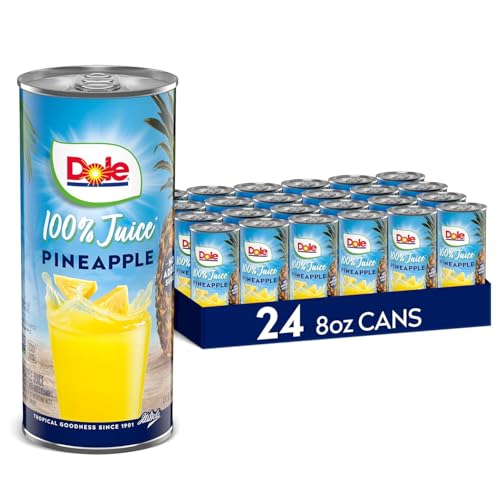
Dole
Dole 100% Pineapple Juice, 8.0 Fl Oz,…
No Added Sugar: Dole Pineapple Juice is a great way to get vitamin C, with no added sugar,Add a splash to your smoothie or mix it into your cocktail or non alcoholic drink for the refreshing taste of 100% Juice that's straight from the tropics
See on AmazonOne product that consistently checks the right boxes is Dole 100% Pineapple Juice. It’s labeled gluten-free, contains no added sugar, and comes in shelf-stable 8.4 oz cans that are easy to toss in a bag. The ingredients list is short — just pineapple juice and ascorbic acid (vitamin C). For someone with celiac disease or gluten sensitivity, that simplicity is a big comfort. You can check the current price on Amazon to see if it fits your budget.
How gluten actually gets into fruit juice
Pineapples are naturally gluten-free. The fruit itself has zero gluten proteins. The risk comes from what happens after the fruit is picked. Cross-contamination in processing facilities is the main culprit.
Many juice plants also process wheat, barley, or rye-based ingredients. Shared equipment is a real concern. Even if the production line is cleaned between runs, residues can linger. That’s why a “gluten-free” label on the package means more than just the raw ingredients — it signals the manufacturer tests for trace levels below 20 parts per million (the FDA standard).
Another hidden source is additives. Some juice blends include barley malt as a sweetener or thickener. Others add natural flavors that may contain gluten carriers. Pineapple juice sold as 100% juice is less likely to have these extras, but always check the ingredient list.
What to look for on the label
Three things matter most when you’re gluten intolerant and buying pineapple juice.
1. A clear “gluten-free” statement. In the US, the FDA regulates this term. Products labeled gluten-free must contain less than 20 ppm of gluten. That threshold is safe for nearly all people with celiac disease. The Dole product carries this label directly on the can.
2. Short ingredient list. The fewer ingredients, the lower the chance of hidden gluten. Pure pineapple juice should list only pineapple juice (and sometimes vitamin C). Avoid brands that add “natural flavors,” malt, or unspecified starches.
3. Third-party certification. Not required, but helpful. Seals from the Gluten-Free Certification Organization (GFCO) mean the product has been independently tested to 10 ppm or less. Pineapple juice from major brands like Dole isn’t always certified, but their gluten-free labeling complies with FDA rules. For most people, that’s enough.
Comparing your pineapple juice options
Not all pineapple juice is created equal. Here’s how the main types stack up for someone who needs to avoid gluten.
| Type | Gluten risk | Convenience | Shelf life | Best for |
|---|---|---|---|---|
| Fresh pineapple (make at home) | Essentially zero (if you wash the skin) | Low — requires a juicer | Drink immediately | Minimal processing, full control |
| Canned 100% juice (Dole, Del Monte) | Very low (with gluten-free label) | High — grab and go | 1–2 years unopened | Travel, pantry stock, portion control |
| Bottled juice (shelf, not refrigerated) | Low to moderate (check label for additives) | Medium — need to reseal | Weeks after opening | Larger servings at home |
| Juice blends (pineapple + other fruits) | Moderate (may contain barley malt) | Medium — often pricier | Varies | Flavor variety, but read the label closely |
If you opt for fresh pineapple at home, you’ll need a solid juicer. For example, if you’re into making your own celery juice, the same machine works perfectly for pineapple. Or if you prefer a broader setup, check out a dedicated green juice maker that handles tough rinds.
5 real questions people ask about pineapple juice and gluten
Can pineapple juice be cross-contaminated during processing?
Yes, it can. Facilities that also process wheat or barley based ingredients might not clean lines thoroughly. That’s why you should only buy pineapple juice from brands that either label it gluten-free or provide test results upon request. Dole, for example, explicitly states their pineapple juice is gluten-free, so they’ve taken steps to prevent cross-contamination.
Is Dole pineapple juice certified gluten-free by an independent group?
Dole’s packaging says “Gluten Free.” They rely on FDA compliance rather than a third-party seal like GFCO. The FDA standard (under 20 ppm) is considered safe for the vast majority of gluten intolerant individuals. If you personally need the extra 10 ppm assurance that certification provides, you might want to choose a certified brand. But for most people, Dole’s label is trustworthy.
What about pineapple juice cocktails or mixes — are they safe?
Much riskier. Cocktail mixes often contain barley malt, hydrolyzed wheat protein, or maltodextrin derived from wheat. Even simple additions like “natural flavor” can be a gluten source. Stick to 100% pineapple juice or drinks labeled gluten-free. When in doubt, call the manufacturer.
Does fresh pineapple juice from a fruit have any gluten risk?
Nearly none. The fruit itself is gluten-free. The only risk comes from cross-contamination during cutting or juicing — for example, using a cutting board that previously held wheat-based foods. Wash the pineapple thoroughly and use clean utensils. If you make juice at home with a dedicated juicer, you’re in the clear.
If I have celiac disease, can I drink pineapple juice every day?
Yes, as long as you confirm the product is gluten-free. Pineapple is also high in natural sugar, so people with diabetes or blood sugar concerns should watch portion sizes. A typical 8 oz serving of Dole pineapple juice has about 22 grams of sugar — all from fruit. That’s fine for most gluten intolerant individuals, but balance it with other low-sugar options throughout the day.
The bottom line for gluten intolerant pineapple juice lovers
- Stick with products that carry an explicit gluten-free label. Don’t assume “100% juice” automatically means safe.
- Choose simple ingredients. The best pineapple juice lists only pineapple juice and maybe vitamin C.
- Canned or shelf-stable 100% juice (like Dole) offers the best balance of safety, convenience, and shelf life.
- Fresh pineapple is the gold standard if you own a juicer — but you need to control for kitchen cross-contamination.
- Avoid juice blends and cocktails unless they are clearly labeled gluten-free and list every ingredient.
- Contact the manufacturer if you’re unsure. Most reputable brands share allergen information promptly.
- Remember that fruit juice is naturally gluten-free; the risk is always from processing and additives, not the fruit itself.