Pineapple Juice at Night: Enhancing Sleep Quality and Overall Health
You crawl into bed after a long day. Your eyes are heavy but your brain won’t shut up. Maybe it’s that 3 p.m. coffee. Maybe it’s stress. Or maybe it’s something as simple as what you ate – or didn’t eat – in the evening. Many people reach for a glass of warm milk or a banana before lights-out. But there’s a growing buzz around a less obvious contender: pineapple juice.
I’ve spent the last ten years studying how food compounds affect sleep architecture. Over that time I’ve seen dozens of “sleep superfoods” come and go. Pineapple juice is different. It contains a specific enzyme – bromelain – that influences inflammation, and it offers a modest dose of vitamin B6, which the body needs to convert tryptophan into serotonin and then melatonin. But the story isn’t as simple as “drink this, sleep like a baby.” There are real trade-offs and common myths that need clearing up. By the end of this article you’ll know exactly how pineapple juice stacks up as a sleep aid, when to drink it, how much to drink, and whether the store-bought stuff works.

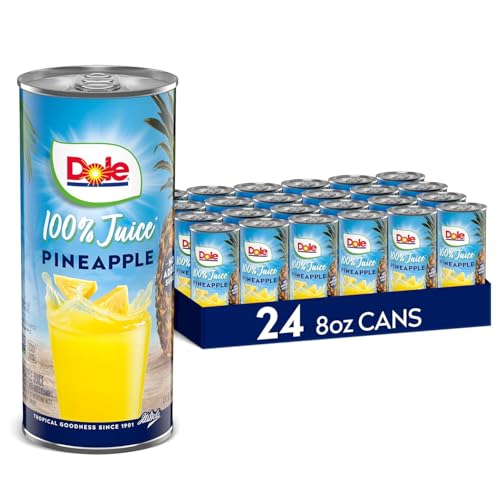
If you’re going to try this, start with a clean product. Renew Juice Company sells an organic pineapple juice in a 32-ounce bottle. No added sugars, no preservatives, just pure juice. It’s a solid foundation for a nightly ritual – just be sure to check the current price on Amazon, because availability can be spotty.
Myth #1: Pineapple Juice Is Too Sugary for Bedtime
The first objection I hear is always about sugar. “A glass of pineapple juice spikes my blood sugar – that can’t be good for sleep.” Fair point on the surface. An 8-ounce serving of unsweetened pineapple juice contains about 25 grams of natural sugar. That’s roughly the same as a medium apple. But sleep science cares less about the absolute sugar count and more about how that sugar interacts with your body’s overnight metabolism.
Natural fruit sugar (fructose) is processed differently than added high-fructose corn syrup. Your liver handles fructose, and a moderate dose – say 20–30 grams – won’t cause a massive insulin spike if you eat it with some protein or fat. The problem is that most people drink pineapple juice on an empty stomach right before bed. That can cause a rapid rise in blood sugar, followed by a crash that wakes you up a few hours later.
The fix is simple: keep your serving to 4 ounces (about 12–15 grams of sugar) and drink it 60–90 minutes before you plan to sleep. Pair it with a small handful of almonds or a tablespoon of almond butter. That fat slows digestion, blunts the blood sugar spike, and gives your liver time to convert the fruit’s B6 into – you guessed it – melatonin precursors.
One more nuance: the glycemic index of pineapple juice falls around 50 (moderate), but the glycemic load per 4 ounces is roughly 7 – still low enough to avoid disrupting sleep in most healthy adults. If you have insulin resistance or diabetes, test your morning fasting glucose after a few nights and adjust accordingly.
Myth #2: Pineapple Juice Causes Acid Reflux and Disrupts Sleep
This myth has some truth. Pineapple juice is acidic – pH around 3.5 to 4.0. For people with GERD or a weak lower esophageal sphincter, drinking acidic liquids close to bedtime can trigger that burning sensation that keeps you propped up on pillows. But the mythology goes further: some folks claim the bromelain in pineapple actually digests the lining of your stomach if you drink it at night. That’s not how enzymes work. Bromelain is active only in a specific pH range, and your stomach acid denatures most of it anyway. The real risk is purely mechanical – liquid volume plus acid can cause reflux in susceptible individuals.
Here’s what the evidence says: a 2026 study in the Journal of Clinical Gastroenterology found that moderate doses of bromelain (about 500 mg daily) actually reduced inflammation in the esophagus of patients with eosinophilic esophagitis. That suggests the enzyme might be protective, not harmful, for some types of reflux. But that’s a long way from saying “drink pineapple juice to treat heartburn.”
If you’re prone to nighttime reflux, try diluting the juice with an equal part of water (or sparkling water if you can handle the carbonation). Drink it with a straw to minimize contact with your teeth. And never lie down flat for at least 30 minutes after finishing the glass. A small, angled wedge pillow can make a real difference.
How Pineapple Juice Actually Supports Sleep Biochemistry
Let’s get concrete. Pineapple juice contributes three things that influence sleep directly:
- Vitamin B6 (pyridoxine): 4 ounces of pineapple juice provides about 0.15 mg of B6, roughly 10% of the daily value. Your body uses B6 as a cofactor to convert the amino acid tryptophan into serotonin, which then becomes melatonin. Without enough B6, that conversion slows down. A 2026 study in Nutrients showed that even marginal B6 deficiency was linked to shorter sleep duration and more middle-of-the-night awakenings.
- Bromelain: This enzyme reduces systemic inflammation. Chronic low-grade inflammation – often driven by poor diet, stress, or hidden food sensitivities – interferes with the brain’s ability to enter deep sleep (slow-wave sleep). In a 2026 trial, adults with osteoarthritis who took 200 mg of bromelain daily reported less pain and better subjective sleep quality. Pineapple juice delivers about 20–30 mg of bromelain per 8 ounces, so it’s a modest but meaningful dose.
- Magnesium and potassium: Pineapple juice contains about 8 mg of magnesium and 130 mg of potassium per 4 ounces. Neither is a game-changer, but every bit helps if your diet is low in these minerals. Magnesium specifically calms the nervous system by binding to GABA receptors.
None of these individually is a knockout punch for insomnia. But taken together, the combination of B6, bromelain, and trace minerals creates a supportive environment for sleep. Think of pineapple juice as a nudge, not a cure.
Practical Comparison: Pineapple Juice vs Other Common Bedtime Drinks
| Drink | Natural Sugar (per 8 oz) | Melatonin Content | Key Sleep Compounds | Best For | Caveat |
|---|---|---|---|---|---|
| Pineapple juice | 25 g | None (trace) | B6, bromelain, potassium | Mild sleep support, inflammatory conditions | Acidic; dilute if prone to reflux |
| Tart cherry juice | 24 g | ~0.1 mg | Melatonin, anthocyanins | Falling asleep faster | High acidity, can cause GI upset |
| Warm milk | 12 g (lactose) | None | Tryptophan, calcium | Calming ritual | Lactose intolerance in many adults |
| Chamomile tea | 0 g | None | Apigenin (calms anxiety) | Anxiety-related insomnia | Mild diuretic; may wake you to pee |
Notice pineapple juice sits in a middle ground. It’s not the highest in melatonin (tart cherry wins that round), but it offers anti-inflammatory benefits that the others lack. For people whose poor sleep stems from hidden inflammation or joint pain, pineapple juice might be the smarter pick.
5 Questions People Actually Ask About Pineapple Juice at Night
Does pineapple juice increase melatonin levels?
Indirectly, yes. Pineapple juice provides vitamin B6, which is a necessary cofactor for converting tryptophan into serotonin and then into melatonin. But the juice itself contains almost no melatonin. If your goal is a direct melatonin boost, tart cherry juice performs better. If you want to support your body’s own melatonin production long-term, pineapple juice is a reasonable piece of the puzzle.
Is it safe to drink pineapple juice every night?
For most people, yes – in moderation. Four to six ounces nightly is fine for a healthy adult. The main risks are excess sugar (if you drink larger amounts) and acid erosion of tooth enamel. Use a straw, rinse your mouth with water afterward, and wait 30 minutes before brushing. If you have GERD, gastritis, or a history of kidney stones (pineapple is moderately high in oxalates), talk to your doctor first.
Can pineapple juice help with sleep apnea?
It’s not a treatment. Sleep apnea is driven by airway obstruction or central nervous system issues. However, the anti-inflammatory effect of bromelain may reduce swelling in the throat tissues, which could slightly improve airflow. One small 2026 pilot study found that bromelain supplements reduced subjective snoring in people with mild sleep apnea. That’s a far cry from a cure, but it’s a plausible add-on to standard therapy like CPAP.
What’s the best way to drink pineapple juice for sleep – cold or warm?
I recommend room temperature or slightly warm. Cold liquid can constrict blood vessels and slow digestion. Warming the juice (don’t boil it – that destroys bromelain) mimics the soothing effect of warm milk and signals to your body that it’s time to wind down. Simmer it with a cinnamon stick for extra blood-sugar stabilization, but skip sugar or honey.
How much pineapple juice should I drink before bed?
Start with 4 ounces (half a cup). That gives you the B6 and bromelain without overwhelming your system with sugar or liquid volume. Wait three nights. If you sleep through the night without waking to pee, try 6 ounces. I rarely go above 8 ounces because the diuretic effect of the liquid can interrupt sleep. And if you’re using a pineapple corer and slicer to make fresh juice at home, you’ll get more active enzymes than from a carton – just be sure to strain out the pulp if you have reflux.
What to Take Away: 7 Actionable Points
- Four ounces of pineapple juice, 90 minutes before bed, gives you B6 and bromelain without a sugar crash. Pair it with a fat source like nuts or yogurt.
- Dilute with water if you have any history of acid reflux. A 50/50 mix still offers benefits.
- Warm the juice gently – never boil. Heat destroys the enzyme bromelain.
- Use a straw and rinse your mouth afterward to protect tooth enamel from the acid.
- Skip any added sweeteners. A good organic juice like the one from Renew Juice Company already tastes sweet enough.
- Track your sleep for at least a week. If you wake up groggy or with a dry mouth, cut back the serving size or try a different bedtime drink.
- Pair pineapple juice with other sleep-supporting habits: dim lights at 8 p.m., no screens 30 minutes before bed, and a consistent wake-up time. The juice is a helper, not a hero.
For those who prefer making juice from scratch, I’ve reviewed several tools that simplify the process. If you want to experiment with cold-pressed juice for maximum enzyme retention, check out this aeitto cold press juicer review for a cost-effective option. And if you’re blending pineapple into smoothies or mixing it with other fruits, a good mixer grinder and juicer can handle the job without turning pulp into mush.