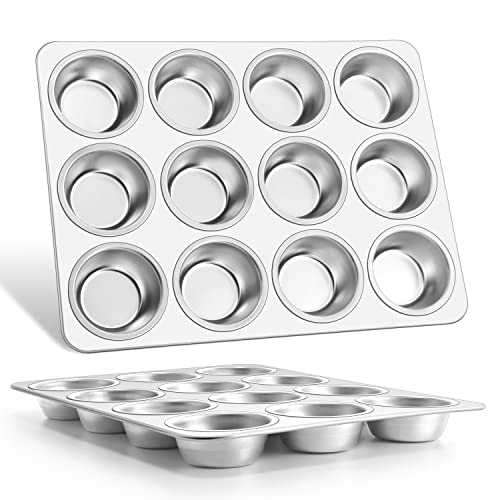
5 Non Toxic Cupcake Pans That Will Change Your Baking Game
You pull a batch of chocolate cupcakes from the oven. They smell perfect. You flip the pan, and out they slide without a fight. But then you stop and think: what’s in the coating that makes them release so easily? For years, non-stick meant Teflon, and Teflon meant PFAS chemicals that don’t break down in your body or the environment. The good news is the market has shifted. Today you can buy pans that perform as well as the old stuff without the health trade-offs.
This article walks you through what makes a cupcake pan genuinely non-toxic, the materials that matter, and specific pans that earn a spot in your kitchen. I’ll name names and point out trade-offs so you can make a smart choice.

BRONYPRO
BRONYPRO 12-Cup Ceramic Nonstick Muffin Pan &…
Healthy Non-Toxic Ceramic Coating : This ceramic muffin pan features a non-toxic ceramic coating, free from PTFE, PFOA, PFAS, lead, and other harmful substances. Every baking session is safe and healthy, allowing you to enjoy your delicious creations with peace of mind.
See on AmazonOne pan that checks a lot of boxes right now is the BRONYPRO 12-Cup Ceramic Nonstick Muffin & Cupcake Pan. It uses a ceramic coating free of PTFE, PFOA, PFAS, lead, and other questionable substances. The body is heavy-duty aluminized steel, which spreads heat evenly and resists warping. If you’re in the market, it’s worth a look — ceramic non-stick cookware has come a long way.
What does ‘non-toxic’ actually mean for a cupcake pan?
The term gets thrown around loosely. At a minimum, a non-toxic pan should be free of these chemicals:
- PTFE (polytetrafluoroethylene) — the slick coating in traditional non-stick. When overheated above 500°F, it can release fumes that are toxic to birds and potentially harmful to humans.
- PFOA (perfluorooctanoic acid) — a processing aid once used to make PTFE. Banned in the U.S. since 2026, but some imported pans might still carry it.
- PFAS (perfluoroalkyl and polyfluoroalkyl substances) — a whole family of “forever chemicals” linked to health issues. Many new non-stick pans claim to be PFAS-free, but the only way to be sure is to choose a coating that never used them in the first place.
- Lead and cadmium — sometimes found in colored glazes or cheap metal alloys. Look for explicit “lead-free” and “cadmium-free” statements.
Ceramic coatings are the most common safe alternative. They are made from silica (sand) and baked onto the pan. They don’t contain any of the above chemicals. But ceramic isn’t indestructible — it can chip or lose its non-stick performance over time if you use metal utensils or high heat.
Five categories of truly non-toxic cupcake pans
You won’t find a single pan that’s perfect for everyone. Here are the five main material types that qualify as non-toxic. Each has its own strengths and weaknesses.
1. Ceramic nonstick (like the BRONYPRO pan)
Best for bakers who want easy release without chemical coatings. The BRONYPRO 12-cup pan is a solid example: aluminized steel core, ceramic coating rated to 500°F, and silicone handles that stay cool. The non-stick performance is excellent for the first year, but you need to baby it — no metal utensils, no abrasive cleaners. Hand washing with mild soap and a soft sponge is recommended. If you treat it right, it will stay slick for years.
2. Silicone
Silicone muffin cups and pans are flexible, non-stick by nature, and contain no PFAS. They are great for quick-release and easy cleanup. Drawbacks: they don’t brown the bottoms of cupcakes as well as metal pans, and they can be floppy when full — you need to place them on a baking sheet. Also, some low-quality silicones use fillers that can emit a rubbery smell. Choose 100% platinum silicone if you go this route.
3. Stainless steel
Stainless steel cupcake pans are completely inert — no coating at all. They will last a lifetime if you don’t warp them. The downside: they are sticky. Muffins and cupcakes will require thorough greasing and flouring, or paper liners. Heat distribution is good but not as even as aluminized steel. Stainless is a solid pick if you are willing to use liners every time.
4. Enameled cast iron
Cast iron pans with a glass-enamel coating are non-reactive and free of synthetic chemicals. They hold heat beautifully, giving you consistent browning. But they are heavy — a 12-cup enameled cast iron pan can weigh over 5 pounds. They are also expensive. For a home baker who doesn’t mind the weight, it’s a durable choice that will outlast everything else.
5. Glass
Borosilicate glass muffin dishes (like Pyrex) are chemical-free and oven safe. They let you see the browning from the sides. But glass conducts heat less evenly than metal, and it can shatter if subjected to sudden temperature changes. Also, glass muffin pans are rare; most people use ramekins or individual glass cups. Not practical for large batches, but fine for small-quantity baking.
Quick comparison table
| Type | Non-stick Performance | Durability | Heat Evenness | Ease of Cleaning | Safety Level |
|---|---|---|---|---|---|
| Ceramic nonstick (e.g., BRONYPRO) | Excellent for 1-2 years, then declines | Moderate (coating can chip) | Very good (aluminized steel) | Easy, hand wash recommended | High (PFAS-free) |
| Silicone | Good, no coating needed | Moderate (can tear, degrade over time) | Poor (insulates, less browning) | Very easy | High (if pure silicone) |
| Stainless steel | Poor (needs grease or liners) | Excellent (won’t rust, dent, or chip) | Good | Easy with liners, harder without | Highest (inert metal) |
| Enameled cast iron | Moderate (needs grease over time) | Very high (heavy, but lasts decades) | Excellent (retains heat) | Moderate (hand wash only) | High (glass enamel is inert) |
| Glass | Moderate (needs grease or liners) | Moderate (can shatter if shocked) | Fair (hot spots common) | Easy | Highest (no coating at all) |
How to choose the right one for your kitchen
Start with your baking style. Do you bake every week and want quick cleanup? A ceramic nonstick pan is your best bet. The BRONYPRO is a strong contender there — just remember to treat non-stick pans gently. If you prefer liners anyway, stainless steel gives you peace of mind with zero coating concerns. Silicone is great for camping or baking with kids because nothing sticks, but you sacrifice browning.
Think about oven temperature, too. Most non-toxic pans handle 400-450°F fine, but if you bake at higher temps (like popovers at 450°F), check the spec. The BRONYPRO pan is rated to 500°F, which covers nearly everything.
Finally, consider your budget. A stainless steel pan costs less upfront and lasts forever. A ceramic pan may need replacement after a few years if the coating wears. Enameled cast iron is an investment but will be passed down. There’s no perfect choice — only the right one for how you actually bake.
Frequently asked questions
Are silicone muffin pans really non-toxic?
Only if they are made from 100% platinum silicone. Avoid blends that add plastic fillers, which can leach at high heat. Look for certification like FDA or LFGB. Silicone is inherently non-stick without any coating, so it’s a clean option when pure.
Can I use metal utensils on a ceramic nonstick pan?
No. Ceramic coatings are hard but brittle. Metal spoons, knives, or even a metal whisk can scratch the surface. Use silicone, wood, or plastic tools. Once scratched, the coating may degrade faster and lose non-stick properties.
Do I need to season a stainless steel muffin pan?
No, but you must grease it thoroughly or use paper liners. Stainless steel is not non-stick. Some bakers rub the cups with butter or spray oil, then dust with flour. A light coating of oil before each use helps, but it’s never as effortless as a coated pan.
Why do my cupcakes burn on the bottom with a glass pan?
Glass heats unevenly and retains heat longer than metal. Lower your oven temperature by 25°F and check the cupcakes a few minutes early. Also avoid placing a glass pan on a hot surface or under the broiler — thermal shock can crack it.
How long should a ceramic nonstick cupcake pan last?
With proper care — hand washing, no metal utensils, no stacking with other pans — expect 2 to 4 years before the non-stick noticeably declines. The aluminized steel base will outlast the coating. If you bake heavily, you might see wear after 18 months.
What to remember when shopping
- Stick with ceramic, silicone, or uncoated metal for the cleanest safety profile.
- Aluminized steel pans (like the BRONYPRO) give the best heat distribution among non-toxic coated options.
- If you use liners, the pan material matters less — but avoid coated pans if you hate waste.
- Check the temperature rating. Most non-toxic coatings are safe to 450-500°F.
- Never use aerosol cooking sprays on non-stick ceramic pans — the propellants leave a residue that bakes into a sticky layer.
- Store pans with a paper towel or cloth between them to prevent scratching the coating.
- For a deeper look at safer kitchen tools, check out this guide on non-toxic kitchen tools — the same principles apply across your cookware.