
What Is Black Carrot Juice?
You’ve had orange carrot juice. You’ve probably seen purple, yellow, or white carrots at the farmer’s market. But black carrots? They’re not a gimmick. They’re a specific heirloom variety — Daucus carota sativus — that happens to be dark purple inside. When juiced, the liquid comes out a deep burgundy, almost black. And the nutrient profile is dramatically different from the orange stuff you grew up drinking.
This article will tell you exactly what black carrot juice is, how its anthocyanin content stacks up against other dark fruits, and whether you should swap your morning orange carrot juice for the black version. I’ll also cover how to juice it (spoiler: it’s not as straightforward as orange carrots), what it tastes like, and where to buy decent bottled options if you don’t have a juicer.
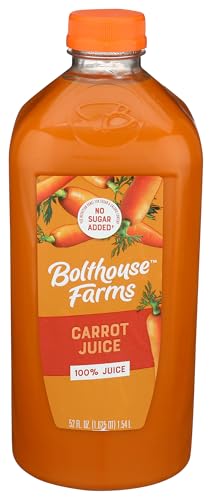
Bolthouse Farms
Bolthouse Farms Vegetable Juice Smoothie, 100% Carrot,…
100% pure carrot juice
See on AmazonI’ll weave in one specific bottled product that actually delivers a clean, 100% carrot juice experience — no sugar, no additives — which makes a solid base if you want to experiment with black carrot juice at home.
One product that does the job without fuss: Bolthouse Farms Vegetable Juice Smoothie, 100% Carrot, 52 fl. oz. Bottle. It’s pure carrot juice — no added sugars, no artificial anything. You get 13 servings of veggies per bottle, and it’s a vegan product. It works as a straight-up drink or as a base to mix with black carrot juice if you’re trying to stretch your supply or tweak flavor. Not a perfect substitute for fresh-pressed black carrot juice, but it’s a reliable pantry staple for anyone who juices regularly.
What Makes Black Carrots Different From Orange Carrots?
The obvious answer is color. But the real difference is chemistry. Orange carrots get their color from beta-carotene, a precursor to vitamin A. Black carrots contain beta-carotene too, but they also pack anthocyanins — the same pigments that make blueberries blue and blackberries black.
Anthocyanins are potent antioxidants. They belong to the flavonoid family. Your body uses them to fight oxidative stress, reduce inflammation, and support blood vessel health. Black carrots contain about 15–20 mg of anthocyanins per 100 grams of fresh root. Compare that to blueberries, which have roughly 160 mg per 100 grams. So black carrots aren’t the top source, but they’re still a solid option — especially if you don’t want the sugar load of berries.
Another difference: texture. Black carrots are denser and woodier than orange carrots, especially older ones. That means you’ll get less juice yield per pound. Expect around 40–50% juice yield, versus 60–70% for a good orange carrot. You’ll also need a powerful juicer — centrifugal machines struggle with the fibrous flesh. A masticating juicer or cold press handles it much better.
Flavor-wise, black carrot juice is earthier, less sweet, with a faint peppery note. It’s not unpleasant, but it’s not the mild, sugary drink you’re used to from orange carrot juice. Many people blend it with apple, ginger, or lemon to balance the taste.
How to Juice Black Carrots (And What to Expect)
If you’re going to make black carrot juice at home, here’s what you need to know.
Choose the right carrots
Not all dark carrots sold as ‘black’ are actually black. Some are just deep purple on the outside but orange inside. True black carrots are purple all the way through. Look for varieties like ‘Black Nebula’ or ‘Purple Haze’ (though Purple Haze has a lighter interior). The best bet is ordering seeds or roots from specialty growers. Farmers markets in late fall often carry real black carrots.
Prep them correctly
Black carrots have thicker skins. Scrub them well — you don’t need to peel if they’re organic, but the skin can be tough. Chop them into pieces small enough to fit your juicer’s chute. Remove any green tops (they’re edible but bitter in juice).
Juice slowly
A masticating juicer is ideal. It grinds and presses the pulp, squeezing out more liquid from dense roots. If you use a centrifugal juicer, run it on a slower speed if possible. High speeds can create foam and heat that degrade some anthocyanins. The juice will be dark purple, almost black, and will separate quickly — give it a stir before drinking.
One real-world example: I juiced 1 pound of black Nebula carrots and got about 6 ounces of juice. That’s roughly half of what you’d get from orange carrots. Expect to pay $4–6 per pound for fresh black carrots if you’re buying online. That makes homemade black carrot juice about $1 per ounce — pricier than most retail juices.
Store it right
Black carrot juice oxidizes fast. Anthocyanins break down within 24–48 hours, even in the fridge. Drink it within 12 hours for maximum antioxidant punch. If you must store it, fill a glass jar to the top (minimize air) and keep it in the coldest part of the fridge. Don’t freeze it — freezing ruptures cell walls and ruins texture.
Black Carrot Juice vs. Other Purple Juices — Which Is Worth Your Money?
Let’s compare black carrot juice against other popular dark juice options. This table breaks down key factors.
| Juice Type | Anthocyanin Content (mg/100g) | Yield per Pound | Flavor Profile | Cost per 8 oz (Approx.) |
|---|---|---|---|---|
| Black Carrot Juice | 15–20 | 40–50% | Earthy, slightly peppery, low sweetness | $2–$4 (homemade), $5–$8 (bottled) |
| Blueberry Juice | 160–180 | 50–60% | Sweet, tart, fruity | $3–$5 (homemade), $6–$10 (bottled) |
| Purple Grape Juice | 60–80 | 70–80% | Sweet, grape-forward | $1–$2 (homemade), $3–$5 (bottled) |
| Elderberry Juice | 200–250 | 30–40% | Very tart, medicinal, needs sweetener | $4–$6 (homemade), $8–$12 (bottled) |
Blueberry juice wins on anthocyanin density, but black carrot juice has an advantage: it contains beta-carotene and fiber, which berry juices lack. Elderberry has the highest anthocyanin count but tastes awful on its own. Purple grape is cheapest and sweetest, but those grapes are often heavily sprayed. Black carrot sits in a middle spot — it’s not the most potent antioxidant source, but it’s a more balanced nutritional profile.
If you’re chasing maximum anthocyanins per dollar, go with frozen blueberries and juice them. But if you want a veggie-based option with a broader vitamin range, black carrot juice is a solid pick. Just don’t expect it to taste like candy.
Health Claims: What the Science Actually Says
Let’s separate proven benefits from marketing fluff.
Proven: Anthocyanins in black carrot juice do reduce markers of oxidative stress in the blood. A 2026 human trial found that drinking 200 ml of black carrot juice daily for 4 weeks lowered LDL oxidation by 12%. That matters because oxidized LDL is a driver of artery plaque. Another study (2026) showed that black carrot juice improved gut microbiota diversity in rats, increasing levels of beneficial Lactobacillus and Bifidobacterium. Human studies are still limited, but the animal data is consistent.
Possible but unproven: Claims about cancer prevention, eye health improvement, or weight loss. Black carrots do contain lutein and zeaxanthin, which help filter blue light, but you’d need to eat a lot of them to match concentrations found in leafy greens. No study has directly tested black carrot juice for weight loss or tumor reduction in humans.
Debunked: Some websites claim black carrot juice has more vitamin A than orange carrots. False. Orange carrots have roughly 8 times more beta-carotene. Black carrots have about 20–30% less beta-carotene. So if you’re drinking black carrot juice for vitamin A, you’re better off with orange.
The main real benefit of black carrot juice is that it delivers anthocyanins without the sugar spike you get from berry juices. One 8-ounce glass of black carrot juice has about 12 grams of sugar. Blueberry juice has 18–22 grams. Grape juice has 35–40 grams. If you’re watching your blood sugar, black carrot is the smarter choice among dark juices.
Frequently Asked Questions
Is black carrot juice the same as purple carrot juice?
Not exactly. ‘Purple carrot’ often refers to varieties where only the skin is purple and the core stays orange. True black carrots are purple throughout. Some producers label dark purple juice as ‘black carrot juice’ even if it’s from purple-skinned carrots. Check the ingredient list: if it says ‘purple carrots’ or ‘mixed carrots,’ it’s not pure black carrot juice. The real stuff will list ‘black carrots’ or a specific variety like ‘Black Nebula.’
Can I drink black carrot juice every day?
Yes, in moderate amounts. 4–8 ounces per day is fine for most people. The main concern is the vitamin A precursor: black carrots still contain some beta-carotene, but it’s far lower than orange carrots, so overdose risk is minimal. If you eat a lot of other orange vegetables, you might notice slightly orange-tinted skin (carotenemia). That’s harmless but cosmetically annoying. Stop drinking for a week and it fades.
Does black carrot juice stain teeth?
Yes. The deep purple color can temporarily stain enamel, especially if you drink it slowly or don’t rinse afterward. Drink through a straw to minimize contact. Or swish water around your mouth after finishing. The stain is surface level — brushing will remove it. It’s less staining than red wine or coffee.
What does black carrot juice taste like?
It tastes like a cross between an earthy carrot and a mild beet. Less sweet than orange carrot juice. Some people detect a slight astringency, like black tea. The aftertaste has a subtle grassy note. It’s not unpleasant, but it’s definitely an acquired taste. If you’re new to it, mix with apple or ginger at first.
How do I find black carrot juice near me?
Check health food stores like Whole Foods, Sprouts, or local co-ops. Look in the refrigerated juice section. Brand options include Lakewood Organic (makes a black carrot blend) and Suchef (pure black carrot juice, often online). Amazon also stocks several varieties. If you can’t find bottled, buy fresh black carrots online from farmers’ market shipping services and juice them yourself. You’ll get a fresher product.
What You Should Actually Do With This Info
- If you want higher antioxidants without added sugar, black carrot juice beats berry juices. Drink 4–8 ounces, not a full liter.
- Don’t replace orange carrot juice completely if vitamin A is your goal. Black carrots have much less beta-carotene. Use them as a supplement, not a swap.
- Invest in a masticating juicer for black carrots. A cheap centrifugal machine will give you low yield and hot, foamy juice. Check our best blender for carrot juice guide for recommendations on equipment that handles dense roots.
- Store your juice in a dark, full glass jar and drink within 12 hours. Anthocyanins degrade fast in light and air.
- Mix black carrot juice with a little lemon or lime juice. Vitamin C helps stabilize the anthocyanins and makes them more bioavailable.
- If you buy bottled, check the label for ‘black carrots’ or ‘purple carrots’ as the first ingredient. Avoid anything with added sugar or apple juice concentrate — that defeats the blood-sugar benefit.
- Consider using a centrifugal juicer like the Breville Juice Fountain Cold Plus if you’re already making orange carrot juice. It won’t give you maximum black carrot yield, but it’s a solid middle-ground for mixed juicing.
