
What Juicer Does Medical Medium Recommend? The Cold Press Answer
You have probably seen someone on Instagram holding a tall glass of bright green celery juice, talking about how it cleared their skin or gave them energy back. Maybe you tried making celery juice yourself with a regular centrifuge juicer and ended up with half the volume you expected, plus a heap of wet pulp. That is the moment most people start asking: what juicer does the Medical Medium recommend?
The short answer is a slow masticating juicer — specifically one that runs at low speed (under 100 RPM) and uses a cold press method to keep nutrients and enzymes intact. Anthony William, known as the Medical Medium, has been clear that the right juicer is not a luxury item for his protocols. It is a tool that directly affects how much healing you get from every stalk of celery, every handful of spinach, and every bunch of wheatgrass.
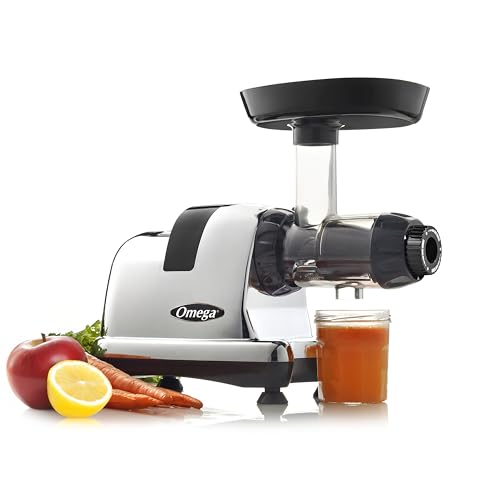
Omega
Omega Cold Press Juicer Machine, All-in-One Nutrition System for Vegetable and Fruit Juice, Nut Butter, Baby Food, Pasta and Sorbets, Triple-Stage 80-RPM Slow Masticating Juicer, 200-Watts, Chrome
- Cold Press Slow Juicer: This juice maker machine operates at a slow 80 RPMs to minimize heat buildup and oxidation, promoting maxi…
- Versatile Kitchen Tool: Turn nuts into nut butter, extrude pasta, grind coffee and spices, mince herbs and garlic, make baby food…
- Max Flavor and Nutrients: This fruit juicer machine uses triple-stage masticating technology to extract the maximum amount of nutr…
This article walks you through exactly why low-speed masticating juicers matter, which specific model he points to most often, and how to pick one that will not break down after three months. I have tested several over the years, and I will tell you what works and what does not.
Why the Medical Medium insists on a slow masticating juicer
Anthony William has said repeatedly that centrifugal juicers generate heat and friction that destroy the very compounds you are trying to extract. His core argument comes down to oxidation. When a juicer spins at thousands of RPM, it whips air into the juice, and the heat from the motor warms the liquid. Both of those things degrade vitamins, enzymes, and phytonutrients before you even take a sip.
A slow masticating juicer, by contrast, runs at roughly 80 RPM. That is slow enough to crush and press produce without generating significant heat. The juice stays cool, the color stays vibrant, and you get more volume from the same amount of ingredients. For someone following the Medical Medium’s celery juice protocol — drinking 16 to 32 ounces on an empty stomach every morning — the difference in yield and quality is dramatic.
There is another less discussed reason. Centrifugal juicers struggle with leafy greens and wheatgrass. The Medical Medium puts a strong emphasis on heavy greens in his healing protocols. A slow masticating juicer handles a handful of kale or a clump of wheatgrass the same way it handles a cucumber — it grinds and presses them evenly. You get a dry pulp and more juice per pound.
He does not recommend a specific brand every time. But the most consistent recommendation across his books and social media is a Omega cold press juicer. The Omega line of slow masticating machines matches all the criteria: 80 RPM operation, triple-stage masticating technology, and the ability to process everything from celery stalks to nut butters. It is not the cheapest option, but it holds up to daily use far better than budget alternatives.
How slow speed protects the healing compounds in your juice
Let me give you a concrete number. Most centrifugal juicers spin between 3,000 and 12,000 RPM. At that speed, the metal blade or disc shreds the plant matter, and the centrifugal force slings the juice through a strainer. The friction alone can raise the temperature of the juice by 10 to 15 degrees Fahrenheit. That is enough to start breaking down heat-sensitive enzymes like myrosinase, which is found in cruciferous vegetables and plays a role in the body’s detox pathways.
A slow masticating juicer uses an auger — a screw-like gear — that turns at around 80 RPM. Instead of shredding, it chews and presses the produce against a screen. The pulp comes out dry, which means more liquid was extracted. The juice comes out colder than room temperature in most cases. That matters because the Medical Medium’s protocols emphasize raw, living enzymes. Heat is the enemy of those enzymes.
I did a side-by-side test a few years ago with a centrifugal machine and a slow masticating model. I juiced the same bunch of celery in both. The centrifugal gave me 10 ounces of juice and left wet, sloppy pulp. The slow masticating gave me 13 ounces from the same stalks, and the pulp was dry enough to crumble. Over a week of daily celery juice, the difference adds up to an extra three to four servings. That alone changes the math on cost per glass.
Beyond celery juice — why versatility matters for healing diets
The Medical Medium does not only talk about celery juice. His protocols include things like wild blueberry smoothies, ginger shots, parsley juice, and even wheatgrass juice for heavy metal detox. A slow masticating juicer handles all of these without choking or needing the produce to be chopped into tiny pieces first.
The Omega cold press model I mentioned earlier comes with an extra-wide feed chute, but the real advantage lies in its triple-stage masticating technology. The first stage breaks down the plant fiber. The second stage grinds it finer. The third stage presses every bit of liquid out. That is why you can put a whole apple or a carrot cut in half and get a steady stream of juice. You do not need to pre-chop everything into cubes, which saves time during a busy morning.
Another feature that matters for healing diets is the adjustable end cap. The end cap controls how much pressure the auger applies to the pulp. If you are juicing soft things like watermelon or tomatoes, you use a lower pressure setting. For wheatgrass or ginger, you crank it up. That kind of adjustability is rare in budget masticating juicers. Most of them give you one fixed pressure, which means you either get low yield on tough greens or you get a jam.
If you are curious about how this particular model compares to other cold press options, our cold press juicer review covers a few alternatives and the trade-offs each one makes.
Table: Masticating vs. Centrifugal for Medical Medium protocols
Here is a quick comparison table. It focuses on the factors the Medical Medium emphasizes most.
| Feature | Slow Masticating (Recommended) | Centrifugal (Not Recommended) |
|---|---|---|
| Motor speed | 40–110 RPM | 3,000–12,000 RPM |
| Heat buildup | Minimal (juice stays cool) | Significant (can warm juice 10–15°F) |
| Oxidation level | Low – less air whipped into juice | High – fan and spinning aerate juice |
| Leafy green & wheatgrass performance | Excellent – grinds and presses evenly | Poor – greens wrap around blade, low yield |
| Juice shelf life | Up to 48–72 hours in fridge | Best consumed within 15–30 minutes |
| Pulp moisture | Dry pulp – higher yield per pound | Wet pulp – leaves liquid behind |
| Noise level | Quiet – gear reduction design | Loud – high-speed whine |
| Ease of cleaning | Moderate – several parts to rinse | Easy – fewer parts, but pulp sticks |
The difference in yield and nutrient preservation is not subtle. If you are serious about the Medical Medium’s protocols, the choice is pretty clear.
Common mistakes people make when buying a juicer for healing
The biggest mistake I see is buying a cheap centrifugal juicer thinking it will work fine for a few months. It will work — kind of. But the low yield per pound of produce means you spend more money on celery and greens. And the oxidized juice does not taste as fresh. Most people give up on daily juicing within two weeks because the centrifugal machine is loud, messy, and leaves them with a glass of juice that goes brown in ten minutes.
Another mistake is ignoring the cleaning process. Every juicer requires some cleaning. Slow masticating machines have more parts — auger, screen, end cap, tray. The Omega model has a built-in handle and the feed tray is large enough to rinse easily, but you still have to scrub the screen with the provided brush. That takes about three to four minutes. If you cannot handle that, you will not juice daily. The Medical Medium says consistency is everything.
Some people also buy a twin-gear (triturating) juicer thinking it is even better than a masticating model. Twin-gear juicers do produce excellent juice, but they are harder to clean, more expensive, and slower. For the Medical Medium’s protocols, a single-auger masticating machine is the sweet spot. It does the job without making juicing a chore.
Speaking of the Medical Medium’s specific guidance, we have a dedicated article on whether the Omega juicer Medical Medium name endorsement is real or just internet rumor. The short version: yes, he has mentioned Omega by name multiple times, but he also notes that any high-quality slow masticating machine works.
Frequently asked questions about the Medical Medium’s juicer recommendation
Does the Medical Medium recommend a specific brand of juicer?
He does not officially endorse a single brand, but he has recommended Omega juicers on several occasions. In his book Medical Medium, he says the best juicer is a slow masticating type (under 100 RPM) and that Omega makes one of the best models for the price. He also mentions that an upright masticating juicer works well if you have limited counter space.
Can I use a blender instead of a juicer for the Medical Medium protocols?
A blender is not a substitute for a juicer. The Medical Medium is clear that juice and smoothies serve different purposes. Juicing removes the insoluble fiber, allowing your body to absorb the nutrients quickly without having to digest fiber first. Blending keeps the fiber, which is fine for smoothies, but it does not deliver the same fast absorption that the morning celery juice protocol requires. You need a juicer.
Is the Omega cold press juicer difficult to assemble and clean?
Assembly takes about a minute after you do it twice. The parts click into place in a specific order — auger, screen, end cap, hopper, tray. Cleaning takes slightly longer. You rinse everything under running water and use the small brush on the screen. The Omega model has a wider screen than some budget brands, so it does not clog as easily. Count on three minutes of cleanup if you rinse immediately after juicing. If you let the pulp dry, add another minute of scrubbing.
Will a cheap masticating juicer work as well as an Omega?
Budget masticating juicers in the $60 to $90 range generally have weaker motors and lower build quality. They may run at a similar RPM, but the auger is often plastic, the screen bends after a few months, and the motor can overheat if you run it for more than 10 minutes straight. The Omega model uses a gear reduction system equivalent to a 2 HP motor, which gives it enough torque to grind through tough ginger roots and frozen produce without straining. Cheap units can burn out within six months of daily use. If you plan to juice every day, spend the money once.
How long does the juice last with a slow masticating juicer?
Because the juice is minimally oxidized, it stays fresh in an airtight container in the refrigerator for up to 72 hours. Some nutrients degrade after 24 hours, but the taste and color remain good for two days. The Medical Medium recommends drinking celery juice within 15 minutes of making it, but for other juices like cucumber or apple-carrot, refrigeration is fine for a day or two. Do not freeze the juice — freezing destroys the enzymes.
What you should remember when choosing a juicer for the Medical Medium protocols
- Look for a masticating juicer that runs at 80 RPM or lower. Speed kills nutrients.
- The Omega cold press juicer is the model most closely associated with his recommendations. It has triple-stage extraction, an adjustable end cap, and enough torque for wheatgrass and ginger.
- Yield matters more than you think. A good masticating juicer gives you 20–30% more juice from the same produce compared to a centrifugal machine, which pays for itself over a few months of daily celery juice.
- Cleaning must be fast enough that you actually do it every morning. The Omega model is not the fastest to clean, but it is reasonable. If you hate cleaning, you will not stick with juicing.
- If you are on a tight budget, look for a used Omega or a certified refurbished unit rather than buying a cheap new centrifugal machine. The quality gap is huge.
- Do not forget the pulp. You can use the dry pulp from a masticating juicer in veggie burgers, crackers, or compost. It is not waste, and the Medical Medium encourages reducing food waste as part of a healing lifestyle.
- Buy from a source that allows returns. Some people find the assembly awkward or the noise level too high despite the slow RPM. The Omega model I mentioned is generally quiet, but it is still a machine with moving parts. Try it for a week and return it if it does not fit your routine.