
How Do You Clean Beet Greens? The Right Way (No Grit, No Waste)
You bring home a bunch of fresh beets with the leaves still attached. Looks great. You chop them up for a stir-fry or salad. First bite? Gritty. Sandy. Ruins the whole dish. That’s because beet greens grow close to the ground. Soil gets trapped in the crevices around the stems and ribs. A quick rinse under the tap won’t cut it.
Most people give up and toss the greens after one gritty experience. But those leaves are packed with vitamin K, vitamin A, and potassium. They’re also edible raw or cooked. The trick is knowing exactly how do you clean beet greens so every leaf comes out spotless. This article walks you through a reliable method, the gear that helps, and how to store them so they last.
CLEAN
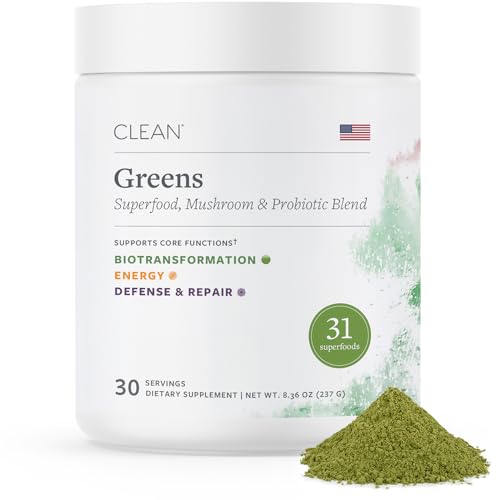
CLEAN Greens Superfood Powder, Probiotics & Adaptogens, Apple, 30 Servings
- DESIGNED FOR BUSY PEOPLE WHO STRUGGLE WITH DAILY GREENS: Ideal for health-conscious professionals, Clean Program participants, act…
- 31 INGREDIENTS IN ONE DAILY SCOOP: Made with organic kale, spinach, spirulina, chlorella, moringa, and wheatgrass for chlorophyll…
- STEADY NATURAL ENERGY WITHOUT ARTIFICIAL STIMULANTS: Organic spirulina, chlorella, and cordyceps mushroom work together to support…
If you’re short on time or want a convenient way to get greens into your diet without the prep work, the CLEAN Greens Superfood Powder (ASIN B07VRFYLZ8) is a solid backup. One scoop mixes into water or a smoothie and delivers organic kale, spinach, spirulina, and a mushroom blend for energy and gut health. It’s not a replacement for fresh produce, but it fills the gap when you’re too busy to wash and chop.
Why Beet Greens Are Harder to Clean Than Kale or Spinach
Beet greens have a fleshy rib running up the center of each leaf. That rib has a deep groove on the back side. Sand and soil love to hide there. The leaf surface itself is smooth, but the stems and veins create little pockets. Spinach grows more upright and gets less dirt splashed onto it. Kale has a curly texture but rinses fairly easily. Beet greens demand a different approach.
The other issue is that beet roots are harvested by pulling them out of the ground. The greens get flopped onto the soil during packing. Dirt from the root can transfer to the leaves. Even if you buy them pre-bagged, you’ll often find grit at the bottom of the bag.
I’ve tested several methods over the years. The soak-and-swish technique is the most reliable. It takes about 15 minutes total, but the result is grit-free greens every time.
Step-by-Step: How Do You Clean Beet Greens Properly
Fill a large bowl or clean sink with cold water. Do not use hot water — it makes the leaves limp and can trap dirt against the surface. Submerge the beet greens and let them sit for 5 minutes. This loosens the dried-on soil.
After the soak, agitate the leaves with your hands. Swish them around vigorously. Lift them out of the water and check the bottom of the bowl. You’ll see a layer of sand and dirt settled there. Dump the water and refill with fresh cold water. Repeat the soak and swish until the bottom of the bowl stays clean. For heavily soiled greens, you might need three rinses.
Once the water runs clear, lift the greens out and shake off excess water. Don’t twist or wring them — that bruises the leaves. Pat them dry with a clean kitchen towel or use a salad spinner. A salad spinner works great because centrifugal force flings water out of those rib crevices. If you use a spinner, don’t overload it. Do two or three batches.
Now trim the stems. Cut off the tough bottom inch of the stem cluster. If the stems are thick and fibrous (more than half an inch wide), strip the leaves off and cook the stems separately — they take longer to soften. Thin stems can be chopped and cooked with the leaves.
Time varies. A single bunch of beet greens takes about 12 minutes from start to dry. For a large batch (like from a farmers’ market bundle), budget 20 minutes.
Storage After Cleaning: Keep Them Crisp for a Week
Clean greens that stay wet will rot in two days. Dry greens stored properly last up to seven days. After washing and drying, wrap the leaves loosely in a clean, absorbent kitchen towel. Place the wrapped bundle inside a partially open plastic bag (leave the bag unsealed for airflow) and put it in the crisper drawer.
Paper towels work too, but they fall apart when wet. A cloth kitchen towel is reusable and absorbs more moisture. Change the towel if it becomes damp during the week.
Another option is to store the greens upright in a jar with a small amount of water at the bottom, like cut flowers. Cover the leaves with a plastic bag and refrigerate. This method keeps them perky for about five days. The stems drink the water, so the leaves stay hydrated without getting wet.
Don’t freeze raw beet greens. The texture turns to mush. If you have too many, blanch them for 90 seconds in boiling water, plunge into ice water, drain, and freeze in a sealed bag. Blanched greens keep for six months and work in soups or sautés.
Comparison of Cleaning Methods
| Method | Time Required | Grit Removal | Best For |
|---|---|---|---|
| Soak + swish (cold water) | 12–15 minutes | Excellent (3 rounds) | Heavily soiled leaves |
| Spray nozzle rinse | 3–5 minutes | Poor (misses stem grooves) | Lightly dirty leaves |
| Salad spinner (dry only) | 2 minutes | None (only removes water) | After washing, not for washing |
| Vinegar soak (1:3 vinegar to water) | 10 minutes | Good, plus kills bacteria | Leaves you plan to eat raw |
| Blanching (pre-cooking) | 2 minutes + ice bath | Excellent (heat loosens dirt) | If cooking immediately |
The soak-and-swish method wins for consistency. Vinegar soak is a close second if you’re worried about bacteria, but it can leave a slight acidic taste unless you rinse again after. Blanching works for cooked greens but adds extra steps. The spray nozzle method is fine only if your greens have no visible dirt — rare with beet greens.
Common Mistakes and How to Avoid Them
Using hot water. Hot water makes the leaves wilt immediately. The dirt gets trapped in the creases as the leaf shrinks. Stick to cold tap water.
Skipping the soak. A quick rinse under the faucet does not get into the stem grooves. You need time for the water to penetrate. Five minutes minimum.
Storing wet greens. Moisture is the enemy. Even a slightly damp leaf will turn slimy in the fridge. Dry thoroughly before wrapping.
Overloading the salad spinner. Too many leaves at once means the center stays wet. Spin in smaller batches for a consistent result.
If you’re using a juicer to process beet greens, cleanliness matters too. The fibrous stems can clog some juicers. I’ve found the easiest masticating juicer models handle leafy greens well, but always rinse the pulp compartment right after use. Dried beet leaf residue sticks. Similarly, if you’re looking for a low-maintenance setup, the best easy to clean juicer list includes models with wide chutes and fewer parts.
Frequently Asked Questions
Can you eat beet greens raw?
Yes. Raw beet greens have a slightly bitter, earthy taste. Young leaves are tender and work in salads. Mature leaves are tougher and better cooked. Always wash them thoroughly if eating raw because the risk of ingesting soil bacteria is higher.
Do you need to peel beet stems?
No. The stems are edible. However, thick stems (more than half an inch diameter) are fibrous. Peel them with a vegetable peeler to remove the outer stringy layer, then chop. Thin stems cook up tender without peeling.
How do you remove stubborn grit from beet greens?
Use the soak-and-swish method with multiple water changes. If the dirt is really stubborn, add a splash of white vinegar to the soak water (about a quarter cup per gallon). The acid helps loosen particles. Rinse well after. I’ve also used a clean vegetable brush on the stem grooves, but that takes more time.
How long do cleaned beet greens last in the fridge?
Properly dried and stored in a cloth towel inside a partially open bag, they stay good for 5 to 7 days. Check for slimy leaves after day 5 and discard any that feel slick. If you see yellowing, use them immediately.
Can I use a salad spinner to wash beet greens?
Not for washing. The spinner only removes water, not dirt. You still need to clean the greens first. Some people put the greens in the spinner basket, fill with water, swish by hand, then dump the dirty water and spin. That works, but you have to repeat the whole process until the water runs clear — it’s less efficient than a bowl soak.
What to Remember When Cleaning Beet Greens
- Cold water soak for at least 5 minutes before any agitation — this dissolves dried-on soil.
- Never use hot water or soap. Soap leaves a residue; hot water wilts the leaves and traps grit.
- Agitate with your hands, not a brush unless the stems are very thick. Swish, lift, and repeat until the bowl water is clear.
- Dry thoroughly with a salad spinner or towel. Wet greens spoil in 2 days; dry greens last a week.
- Trim the tough ends of stems. Cook thick stems separately from the leaves for even texture.
- Store wrapped in a cloth towel inside a loosely closed plastic bag in the crisper drawer. Change the towel if damp.
- If you’re consistently short on time, the CLEAN Greens Superfood Powder is a practical alternative — it delivers a dense blend of greens, probiotics, and adaptogens without any washing or chopping.