
How to Make Carrot Juice Without a Juicer: Easy and Quick Method
You bought a bag of carrots with every intention of making fresh juice, but the juicer is buried in the back of a cabinet. Or maybe you never owned one in the first place. The good news is that you don’t need a dedicated machine to get a glass of bright, sweet carrot juice on the table. You just need a few basic kitchen tools and about ten minutes.
This guide walks you through the exact process for making carrot juice without a juicer. You’ll learn the blender method (which is fastest), the grater method (which works when you have almost nothing else), and the food processor trick. I’ll also cover how to strain properly, what to do with the pulp, and how to make the juice taste better. You will walk away knowing exactly how to make carrot juice without a juicer, no special equipment required.

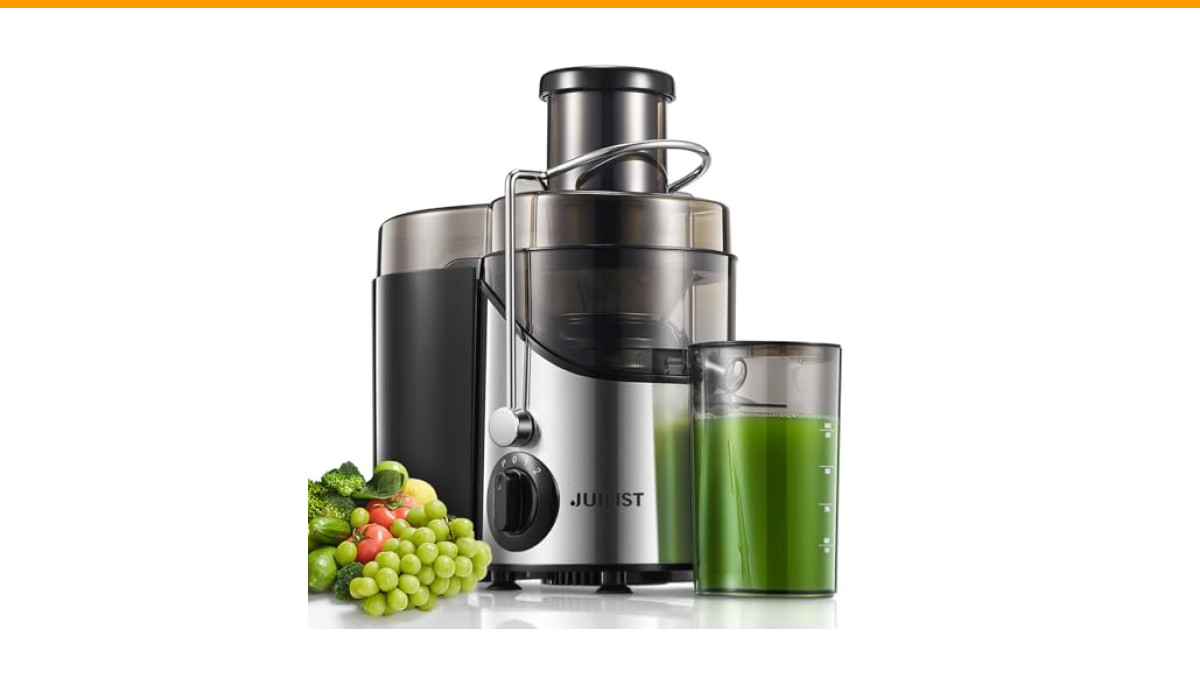
Juilist
Juicer Machines, Juilist 3" Wide Mouth, Max 800W, 3-Speed 400W Easy-Clean | Max 800W 3-speed juice extractor for fruits and vegetables, compact countertop body, easy-clean parts and safety lock
- New and Improved - Our Newest Centrifugal Juicer brings Customizable juicing filter provides more juicing possibilities. Optimized…
- Are you tired of long juicing times -The juicer machine's high-speed max power can reach 800Wmotor juices fruit and vegetable fast…
- Are you looking for a juicer with a juice yield that takes up little counter space - The compact design takes up little room on yo…
If you find yourself reaching for a glass of carrot juice more than twice a week, a dedicated appliance starts to make sense. The Juilist 800W centrifugal juicer handles a 3-inch wide feed chute, so you can drop in whole carrots without chopping them into sticks first. It pulls more juice out of the pulp than most machines in its class, and the parts go straight into the dishwasher. It’s a solid upgrade when you’re tired of squeezing cheesecloth.
The Blender Method: Fastest and Most Practical
Your blender is the best substitute for a juicer because it does the hardest part for you: breaking down the cell walls of the carrot. The trick is to add water. Without it, the blades just spin and push dry carrot chunks around the jar.
Here’s the process I use every time:
- Peel and chop 4 medium carrots into 1-inch pieces. You don’t need to be precise, but smaller pieces blend faster.
- Put the carrots in the blender jar. Add 1/2 cup of cold water. This is the minimum amount needed to get the blades moving.
- Blend on high for 45 to 60 seconds. You want the mixture to look like a thick, smooth puree with no visible chunks.
- Pour the puree into a nut milk bag, a clean kitchen towel, or a fine-mesh strainer lined with cheesecloth.
- Squeeze the bag firmly over a bowl. Twist the top closed and wring it out. You’ll get about 8 to 10 ounces of juice from 4 carrots, depending on how fresh they are.
The juice will separate quickly. That’s normal. The orange liquid sits on top and the pulp settles at the bottom. Give it a stir before drinking.
One thing to note: a standard blender leaves more pulp in the juice than a juicer does. If you like a smooth, pulp-free glass, strain it twice. If you don’t mind a little texture, once is fine.
The Grater Method: No Blender, No Problem
What if your blender is broken or you just don’t own one? A box grater works, but it takes more elbow grease. The payoff is that you control exactly how much pulp ends up in your glass.
Start by peeling the carrots. Grate them on the fine side of the box grater, not the coarse side. Fine grating releases more juice because it creates more surface area. You’ll need about 3 cups of grated carrot to get a single glass of juice.
Once grated, put the shreds in the center of a clean kitchen towel. Gather the corners, twist them together, and squeeze hard over a bowl. You’ll see the juice run out almost immediately. Keep twisting and squeezing for about two minutes until the pulp feels dry.
This method gives you a lower yield than blending. You’ll get maybe 6 ounces from 3 cups of grated carrot. It’s also more tiring on your hands. But it works in a pinch and requires zero electricity.
For a faster version of this, use a food processor with the grating disc attachment. It does the grating work in about 15 seconds, and then you just squeeze the shreds in a towel. This is my preferred backup method because it cuts the prep time in half.
How to Strain Without a Juicer Bag
You don’t need a fancy nut milk bag to strain carrot juice. Most people have something in their kitchen that works just as well.
Here are your options, ranked by effectiveness:
- Nut milk bag: Best option. The fine mesh catches almost all pulp, and the drawstring makes squeezing easy.
- Clean cotton kitchen towel: Works great. Just make sure it’s not a fuzzy terry cloth towel, or you’ll get lint in your juice.
- Fine-mesh strainer: Good for a quick job, but you’ll need to press the pulp with the back of a spoon to extract the liquid.
- Cheesecloth: Fine weave works well, but it’s thin. Use two layers folded together so it doesn’t tear when you squeeze.
Whatever you use, don’t throw away the pulp. Carrot pulp is not waste. You can stir it into pancake batter, add it to meatballs, or mix it into a smoothie for extra fiber. It keeps in the fridge for two days.
Blender vs. Grater vs. Food Processor: Which Should You Use?
All three methods produce drinkable carrot juice, but they differ in yield, time, and cleanup. Here’s a direct comparison so you can pick based on what you have and how much time you have.
| Method | Prep Time | Yield (4 carrots) | Cleanup Effort | Best For |
|---|---|---|---|---|
| Blender + strain | 5 minutes | 8–10 oz | Medium (blender jar + bag) | Everyday juicing at home |
| Box grater + towel | 10 minutes | 6 oz | Low (grater + towel) | No electricity, single glass |
| Food processor + towel | 6 minutes | 7–8 oz | Medium (processor + towel) | Batch prep, less arm fatigue |
The blender method wins on yield because it pulverizes the carrot fibers more completely. The grater method wins on cleanup since you only dirty one bowl and a towel. The food processor is the middle ground.
One honest caveat: none of these methods get you 100% of the juice a centrifugal juicer would extract. You’ll leave a little liquid in the pulp no matter how hard you squeeze. That’s the trade-off for not owning a machine.
Making It Taste Better
Plain carrot juice is sweet but can taste a bit flat. A few small additions fix that without adding sugar.
Add a squeeze of lemon or lime juice. The acid brightens the flavor and helps cut the earthy note that raw carrots have. Start with half a lemon per glass and adjust from there.
A 1/2-inch piece of fresh ginger, blended right in with the carrots, adds a warm kick. If you’re grating carrots by hand, grate the ginger too and squeeze it together with the carrots.
For a thinner consistency, stir in a tablespoon of orange juice or a splash of cold water. For a creamier version, blend the finished juice with a frozen banana. That turns it into more of a smoothie, but it’s a good way to use up carrots that are starting to go soft.
You can also check out this carrot juice guide for more flavor combinations and ratios if you decide to get a machine later.
Frequently Asked Questions
Do I need to peel carrots before juicing?
No, but you should scrub them well. Carrot skins are thin and contain nutrients, but they also hold dirt and can make the juice taste slightly bitter. If the carrots are organic and clean, leave the skin on. If they’re conventionally grown or have a thick, waxy coating, peel them.
Can I make carrot juice in a food processor?
Yes, but not the way you’d use a blender. A food processor with a grating disc shreds the carrots, and then you squeeze the shreds in a towel to extract the juice. The standard S-blade doesn’t work well because it just chops the carrots into uneven pieces without releasing much liquid.
Why does my carrot juice separate so fast?
That’s completely normal. Fresh carrot juice has no stabilizers, so the heavier pulp sinks and the lighter liquid rises. It happens within five minutes of juicing. Just stir it before you drink. If you want it to stay mixed longer, blend in a teaspoon of lemon juice, which helps slow the separation slightly.
How long does homemade carrot juice last?
Drink it within 24 hours for the best taste and nutritional value. Stored in a sealed glass jar in the fridge, it stays safe for up to 48 hours, but the flavor degrades noticeably after the first day. Freezing is an option—pour it into an ice cube tray and thaw cubes as needed—but the texture becomes more watery.
Is it cheaper to make carrot juice at home?
Yes, if you buy carrots in bulk. A 2-pound bag of carrots costs about the same as a single 12-ounce bottle of cold-pressed carrot juice at a café. You’ll get roughly 20 ounces of juice from that bag, so you’re saving about 50% per glass. The cost gap widens even more if you buy organic carrots in season.
What to Remember Next Time
You don’t need a countertop full of appliances to enjoy fresh carrot juice. The blender and a clean towel will get you 90% of the way there. Keep these points in mind:
- Always add a little water when blending carrots, or the blades will just spin in place.
- Fine grating beats coarse grating for juice yield, whether you use a box grater or a food processor disc.
- Strain through a nut milk bag or cotton towel for the smoothest result; a fine-mesh strainer alone leaves too much pulp.
- Save the pulp for baking or cooking. It’s free fiber and adds moisture to muffins and meatloaf.
- Add lemon and ginger to balance the sweetness and make the flavor more complex.
- Drink the juice within a day for the freshest taste and the most nutrients.
- If you’re juicing daily, a machine like the Juilist centrifugal juicer saves you the straining step and boosts yield by about 25%.
For more no-machine recipes, take a look at this beetroot juice method or this apple juice alternative. Both follow the same basic principle of blending or grating first, then squeezing.
