How to Make Cranberry Juice from Fresh Cranberries: Easy Guide
You walk into the kitchen holding a bag of fresh cranberries you bought for Thanksgiving relish. Now the holiday is over and three-quarters of that bag sits in the fridge. You can freeze them, sure. Or you can turn them into something you’ll actually drink: real cranberry juice. Not the sugary cocktail from the supermarket, but juice made from whole berries where you control the sweetness and the tartness.
This article walks you through exactly that. You’ll learn two main methods — simmering on the stove and raw blending — plus how to sweeten without making it cloying, how to strain out the pulp, and how to store the juice so it stays fresh. I’ll also point you toward a solid store-bought option when you don’t have fresh berries on hand. By the end, making cranberry juice from fresh cranberries will feel like second nature.

Amazon Grocery
Amazon Fresh, Cranberry Blend Juice from Concentrate,…
The information below is per-pack only
See on AmazonBefore we dive into the methods, here’s a helpful shortcut. If you’re in a hurry or fresh cranberries aren’t in season, Amazon Fresh, Cranberry Blend Juice from Concentrate, 64 Fl Oz Bottle (Pack of 2) delivers a balanced tart-sweet taste without any work. It’s a blend, not pure cranberry, so it’s less puckering. Keep a bottle in the fridge for mornings when you just want to pour and go. Check the current price on Amazon if that sounds useful.
Why Bother Making Your Own?
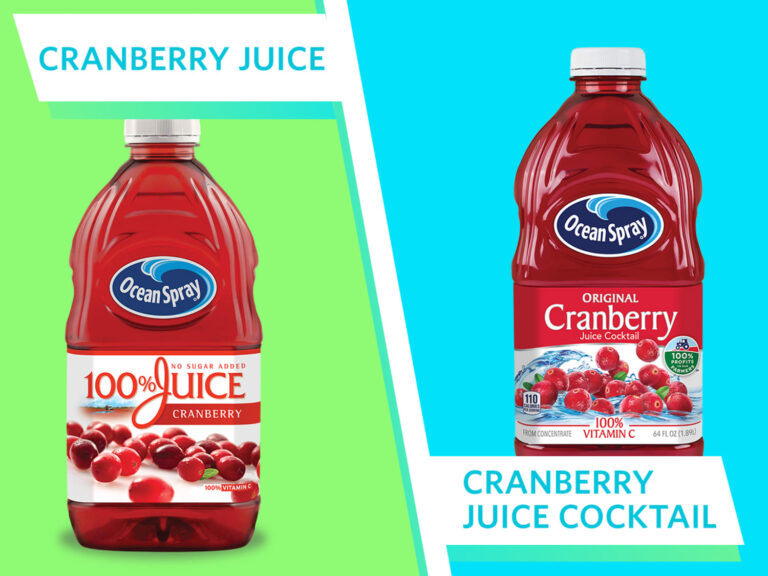
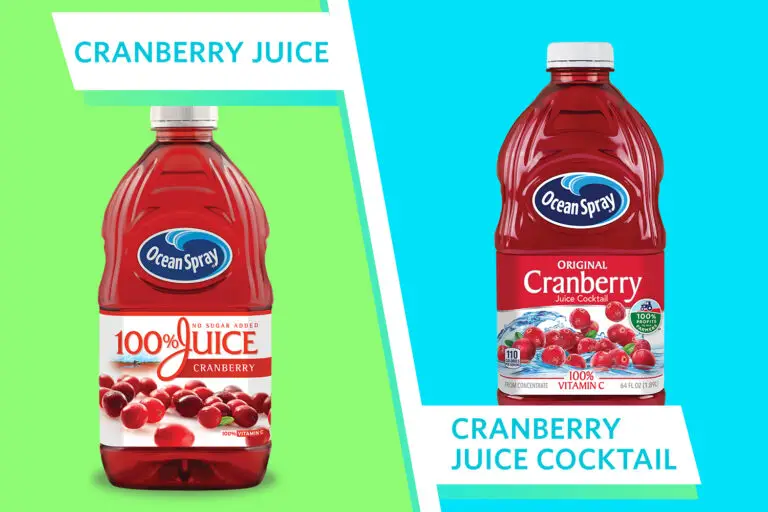
Pure cranberry juice from the store is usually a mix of concentrate, water, and added sugar or other fruit juices. Nothing wrong with that, but when you make it from fresh berries you get the full flavor — sharp, a little bitter, deeply fruity. You also skip the preservatives and high-fructose syrups some brands use.
Fresh cranberries are naturally low in sugar. A typical cup of whole berries has about 4 grams of sugar. Compare that to apple juice or grape juice, which pack 20+ grams per cup. So homemade cranberry juice can be much less sweet. That’s a good thing if you’re watching your intake. But it also means you’ll almost certainly want to add some sweetener unless you love pucker.
Another reason: fresh cranberries are cheap in the fall. I’ve seen bags for $2 or $3 at peak season. A single bag makes about 4 cups of juice. That’s a lot of drink for very little money.
The Two Main Methods: Simmer vs. Raw Blend
You have two paths. Each has trade-offs in time, equipment, and final flavor. Pick the one that fits your schedule and tools.
Method 1: Simmered Cranberry Juice (Classic)
This is the method most people think of when they hear ‘homemade juice.’ It’s simple, forgiving, and requires nothing special.
What you need:
– 2 cups fresh cranberries (rinsed)
– 4 cups water
– Sweetener of choice (sugar, honey, maple syrup, or a sweet juice like apple)
– Fine-mesh strainer or cheesecloth
– Large pot
Steps:
1. Combine cranberries and water in the pot. Bring to a boil over medium-high heat.
2. Reduce heat to low and simmer for 10–15 minutes. The berries will burst and the liquid will turn deep red.
3. Remove from heat. Mash the berries with a potato masher or the back of a spoon to release more juice.
4. Strain the mixture through a fine-mesh strainer lined with cheesecloth. Press gently on the solids to extract every drop. Don’t press too hard or you’ll push bitter sediment through.
5. Stir in sweetener while the juice is still warm. Start with 2–3 tablespoons of sugar for the whole batch. Taste and adjust.
6. Cool completely, then refrigerate.
The simmered juice has a cooked flavor — slightly deeper, less raw. Some people love that. Others prefer a fresher taste. That’s where the raw blend method comes in.
Method 2: Raw Blended Cranberry Juice (No Heat)
This method keeps the bright, sharp berry flavor intact. You’ll need a blender and a bit more patience for straining.
What you need:
– 2 cups fresh cranberries (rinsed)
– 2 cups cold water (less water means stronger juice)
– Sweetener
– Blender
– Nut milk bag, cheesecloth, or fine-mesh strainer
Steps:
1. Add cranberries and water to the blender. Blend on high for 30–60 seconds until completely pulverized.
2. Pour the mixture into a nut milk bag or strainer set over a bowl. Squeeze or press to extract the juice. Expect thick, fibrous pulp left behind.
3. Sweeten to taste. Because there’s no heat, the sugar won’t dissolve as quickly. Use a liquid sweetener like honey or agave, or stir sugar into a small amount of warm water first to make simple syrup.
4. Refrigerate immediately.
Raw juice has a sharper, more astringent taste. Some people find it too aggressive. Dilute it with a little extra water or apple juice to tame it.
If you own a masticating juicer, you can skip the blender step entirely. Feed whole cranberries through the juicer chute, then strain the resulting juice to remove any grit. Masticating juicers work well because they crush the berries slowly without generating heat.
Sweetening Without Ruining the Tart Profile
Cranberries are famously tart. The pH of fresh cranberry juice is around 2.5 — about as acidic as lemon juice. So you need sweetener, but you don’t want to turn it into sugary syrup. The goal is balance.
Here are my go-to options:
- White sugar: Clean sweetness, dissolves easily, no aftertaste. Use ¼ cup per 4 cups of juice as a starting point.
- Honey: Adds floral notes. Raw honey also adds a bit of its own tartness. Use slightly less than sugar — start with 3 tablespoons.
- Maple syrup: Gives a woody, caramel undertone. Works surprisingly well with the berry’s bitterness. Use ¼ cup.
- Apple juice: This is my favorite trick. Replace half the water with unsweetened apple juice. The natural sugars in the apple balance the cranberry without adding refined sugar.
- Stevia or monk fruit: Zero-calorie options work, but they can leave a metallic aftertaste. Start with just a few drops and taste.
A practical tip: sweeten the juice while it’s warm (for the simmered method) or use a liquid sweetener for raw juice. Granulated sugar won’t dissolve well in cold liquid.
Straining and Storing
Straining separates the juice from the solids. The solids include skins, seeds, and pectin. If you leave them, the juice will be cloudy and thicken like jam over time.
For the clearest juice, use a fine-mesh strainer lined with a double layer of cheesecloth. Let gravity do the work — don’t squeeze unless you want cloudiness. If you want a pulpier, more rustic drink, use a regular sieve and press through with a spatula.
Once strained, store the juice in a glass bottle or jar. Plastic containers can absorb odors. Refrigerated, homemade cranberry juice lasts 5–7 days. You can also freeze it for up to 3 months. Pour into ice cube trays, then transfer the cubes to a freezer bag. Thaw cubes as needed for drinks or smoothies.
If you use a hamilton beach juicer, the straining step is simplified because the machine separates juice from pulp as it processes. You still want to strain the finished juice through a fine sieve once more to catch any fine grit.
Comparison of Methods
| Method | Flavor | Time Required | Equipment | Sweetness Control | Shelf Life (refrigerated) |
|---|---|---|---|---|---|
| Simmered | Cooked, deeper, less acidic | 30 minutes | Pot, strainer, cheesecloth | Easy (sugar dissolves in warm juice) | 5–7 days |
| Raw Blended | Bright, sharp, more astringent | 15 minutes | Blender, nut milk bag | Moderate (need liquid sweetener) | 5–7 days |
| Store-bought (Amazon Fresh blend) | Balanced, less intense | 0 minutes | Bottle opener | Fixed per bottle | See label (refrigerate after opening) |
The table makes it clear: simmered is the best all-around method if you have 15 extra minutes. Raw is faster but requires more elbow grease during straining. The store-bought bottle is the no-fuss alternative when you don’t have berries or time.
Frequently Asked Questions
Do I need to remove the seeds from cranberries before juicing?
No. The seeds are tiny and soft. They blend or cook down without issue. Straining will catch any that survive the process. You won’t notice them in the finished juice.
Can I use frozen cranberries instead of fresh?
Absolutely. Frozen cranberries work exactly the same as fresh. You don’t need to thaw them first. Add them directly to the pot or blender. They might release a bit more water upon thawing, so reduce the water by ¼ cup if using frozen.
Why is my homemade cranberry juice so thick?
That’s the pectin — a natural gelling agent in cranberries. If you boiled the berries for too long or mashed them aggressively, more pectin leached out. To thin it, stir in a little water or apple juice until it reaches a drinkable consistency. For next time, reduce the simmer to 10 minutes and don’t over-mash.
How do I make cranberry juice less tart without adding sugar?
Blend in a sweeter fruit juice. Apple juice, pear juice, or white grape juice work beautifully. Start with a 50-50 mixture of cranberry juice and the sweet juice. Another trick: add a peeled, chopped apple to the pot while simmering. The apple’s natural sweetness will infuse without extra sugar.
Can I can homemade cranberry juice for long-term storage?
Yes, but you need a pressure canner because cranberry juice is low-acid after dilution. Follow a tested canning recipe from a trusted source like the National Center for Home Food Preservation. If you only need a few months, freezing is easier and safer.
Putting This Guide to Use
- Start with the simmered method if you’re new to making juice — it’s forgiving and produces consistent results.
- Use a 2:1 water-to-cranberry ratio for a drinkable strength. Adjust up or down depending on how strong you like it.
- Sweeten gradually. You can always add more, but you can’t take it out. Start with half the amount you think you need.
- Strain through cheesecloth for clarity. A nut milk bag works better than a standard strainer for raw juice.
- Refrigerate homemade juice within two hours of making it. Use within a week or freeze for later.
- Keep a bottle of Amazon Fresh Cranberry Blend on hand for mornings when you don’t have fresh berries. Check the price on Amazon when you’re ready.
- Experiment with flavor additions: a cinnamon stick or vanilla bean during simmering adds warmth. A thumb of ginger gives a spicy kick.