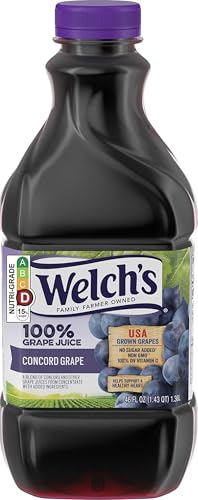
Is Welch’s Grape Juice Good For You? An Honest Look
You grab a bottle of grape juice at the store. It says ‘100% juice’ and ‘no added sugar.’ You think, this has to be better than soda, right? But then you flip it over and see 38 grams of sugar per serving. That’s almost as much as a candy bar. So which is it – a health drink or a sugar bomb in disguise?
That’s exactly what this article sorts out. I’ll walk you through the real nutrition inside Welch’s Concord Grape Juice, what the science says about its antioxidants, and where the sugar problem sits. You’ll get a clear answer on whether it belongs in your fridge, plus a few simple rules for drinking it without undoing your diet.
Welch's
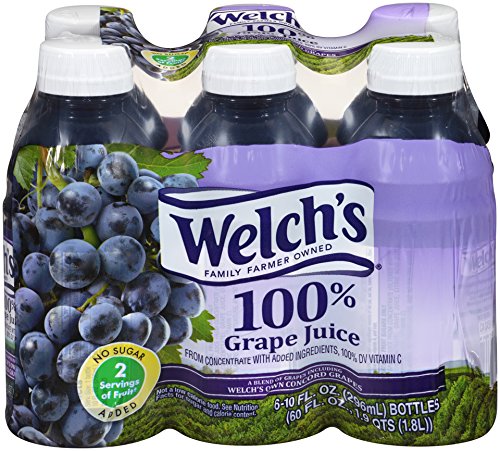
Welch's 100% Grape Juice, Concord Grape, 10…
Contains six (6) 10 Fl Oz bottles of Welch's 100% Grape Juice
See on AmazonIf you want a grab-and-go option, the Welch’s 100% Grape Juice, Concord Grape, 10 Fl Oz On-the-Go Bottle (Pack of 6) is a solid pick. Each bottle delivers two servings of fruit and your full daily vitamin C – no colors, no preservatives, no added sugar. It’s a convenient way to get the benefits without mixing or pouring.
What’s Actually Inside That Purple Bottle
Welch’s 100% Grape Juice is made from Concord grapes. That matters because Concord grapes are not the same as table grapes you eat out of hand. They’re smaller, darker, and packed with a different set of compounds called polyphenols – the same family of molecules that gives red wine its reputation. Concord grapes have a distinct, bold taste that most people either love or find too sweet.
Per 10 fluid ounces (one bottle), you get about 150 calories and 38 grams of sugar. All of that sugar is natural – from the grapes themselves. No high-fructose corn syrup, no cane sugar, no artificial sweeteners. You also get 100% of the daily value for vitamin C. That’s a hefty dose, equal to a large orange.
What you won’t find: added colors (the deep purple comes from anthocyanins), artificial flavors, or preservatives. The juice is pasteurized, which extends shelf life but does reduce some heat-sensitive nutrients. Still, the main antioxidants – proanthocyanidins and resveratrol – hold up well.
The Good Side: Antioxidants That Actually Do Something
Polyphenol-rich foods are linked to lower blood pressure, better artery function, and reduced inflammation. Concord grape juice is one of the richest drinkable sources of these compounds. Several small studies show that drinking grape juice daily can improve flow-mediated dilation – a measure of how well your blood vessels relax. That’s a direct marker for heart health.
One 2026 study had adults with mild hypertension drink about a cup of Concord grape juice daily for eight weeks. Their systolic blood pressure dropped by an average of 7 mmHg. Not massive, but comparable to some blood pressure medications. Another study in older adults found improvements in memory and reaction time after 12 weeks of daily grape juice, likely due to increased blood flow to the brain.
It’s not perfect though. Most of these studies are small, short-term, and funded by the grape industry. The effects are real but modest. You won’t reverse heart disease with a bottle of juice. Still, if you’re swapping a can of soda for Welch’s, you’re trading empty calories for genuine plant compounds that your body can use.
The Not-So-Good Side: 38 Grams of Sugar Is Still 38 Grams
Here’s the hard truth: sugar from fruit juice hits your system differently than sugar from whole fruit. When you eat a whole grape, you get fiber in the skin and pulp. That fiber slows down how fast the sugar enters your blood. Juice removes most of that fiber. So you get a quick spike in blood glucose, even though the sugar is ‘natural.’
38 grams of sugar is roughly 9.5 teaspoons. The American Heart Association recommends no more than 25 grams of added sugar per day for women and 36 for men. But that’s added sugar – Welch’s contains zero added sugar, so technically it doesn’t count toward that limit. Yet your body still has to process all 38 grams. For someone with prediabetes or insulin resistance, that’s enough to push blood sugar into an unhealthy zone.
For context, a 12-ounce can of Coca-Cola has 39 grams of sugar. So Welch’s 10-ounce bottle is nearly identical in sugar content to a smaller soda. That’s not a scare tactic – it’s a straight comparison. The difference is that Coke gives you zero beneficial compounds, while Welch’s delivers vitamin C and polyphenols. But the sugar load is similar.
If you’re looking for best juice drink for diabetics, grape juice is not the top choice. A better option would be a low-sugar vegetable juice or a small portion of unsweetened tart cherry juice.
How Does It Stack Up Against Other Juices?
To give you a clearer picture, here’s a comparison of Welch’s grape juice with three other common fruit juices. All values are for an 8-ounce serving unless noted.
| Juice Type | Serving Size | Total Sugar (g) | Vitamin C (%DV) | Added Sugar? | Key Antioxidants |
|---|---|---|---|---|---|
| Welch’s Concord Grape | 10 fl oz | 38 | 100% | No | Anthocyanins, proanthocyanidins, resveratrol |
| Orange Juice (100%) | 8 fl oz | 21 | 124% | No | Hesperidin, vitamin C |
| Apple Juice (100%) | 8 fl oz | 24 | 2% | No | Quercetin, chlorogenic acid (low) |
| Cranberry Juice Cocktail | 8 fl oz | 30 | 25% | Yes (usually) | Proanthocyanidins (for UTI) |
Notice that Welch’s has the highest sugar per ounce. Cranberry cocktail has added sugar. Orange juice gives you more vitamin C per ounce. Apple juice is mostly just sugar water with a few leftovers. If your priority is maximum polyphenols, grape wins. If you want less sugar with decent vitamin C, orange is a smarter daily choice.
How to Drink Welch’s Grape Juice the Right Way
Most people pour a full glass and chug it. That’s the worst way to drink it for your blood sugar. Instead, treat it the way you’d treat a glass of wine – sip it slowly, with food, or dilute it.
Three practical rules:
- Stick to half a serving. A 10-ounce bottle is meant to be a full serving. Pour out 5 ounces, save the rest for tomorrow. That cuts the sugar to 19 grams, which is much more manageable.
- Pair it with protein or fat. Have a handful of almonds or a piece of cheese alongside. The protein and fat blunt the blood sugar spike. I do this myself – a small glass of grape juice with a hard-boiled egg is a surprisingly good afternoon snack.
- Use it strategically. Grape juice before a workout can give you quick energy. Studies also show that polyphenols absorb better when consumed with a meal. So don’t drink it on an empty stomach first thing in the morning. For more on timing, check best time to drink grape juice guidelines.
One more thing: if you’re juicing whole Concord grapes at home, you’ll get a lot more fiber and less concentrated sugar. That’s a whole different category. But for a bottled product, Welch’s is about as clean as it gets.
Real Questions People Ask About Welch’s Grape Juice
Is Welch’s grape juice actually good for your heart?
The research is promising but not definitive. Concord grape juice has been shown to improve blood vessel flexibility and lower systolic blood pressure in people with mild hypertension. The polyphenols, especially proanthocyanidins, are likely responsible. But these effects are modest and require consistent daily intake. It’s not a substitute for medication or a heart-healthy diet. Think of it as a small plus, not a cure.
Does Welch’s grape juice contain added sugar?
No. The product listed as ‘100% Grape Juice’ contains only juice from Concord grapes. The sugar you see on the label is entirely from the grapes themselves. That said, Welch’s does sell ‘Grape Juice Cocktails’ that have added sugar, so check the label carefully. Stick to the clear ‘100%’ line.
Is the sugar in grape juice bad for you?
It depends on your overall diet and health status. If you’re active, lean, and have no blood sugar issues, 38 grams of natural fruit sugar once a day is fine. But if you’re sedentary, overweight, or diabetic, that amount of liquid sugar can spike your glucose and triglycerides. The lack of fiber is the main problem. Whole grapes have about 23 grams of sugar per cup plus 1.4 grams of fiber. Juice removes the fiber and concentrates the sugar.
Can diabetics drink Welch’s grape juice?
Not a full serving. The American Diabetes Association recommends that people with diabetes limit fruit juice to 4 ounces (half cup) per day. Even then, it should be paired with a protein or fat source to slow absorption. A 10-ounce bottle is way too much for most diabetics. Diluting it with water or seltzer to make a spritzer can help. But plain water or unsweetened tea is a safer bet for daily hydration.
How does it compare to eating whole grapes?
Whole grapes win hands down. One cup of Concord grapes has fewer calories, less sugar, fiber, and more water volume, so you feel fuller. The fiber also feeds your gut bacteria. Juice gives you a concentrated hit of polyphenols and vitamin C, but you lose the fiber and eat fewer grapes overall. If you have the choice, eat the grapes. If you’re after a quick antioxidant boost or a drink that feels like a treat without artificial ingredients, the juice is a decent second place.
What to Do Next: A Quick Cheat Sheet
- Limit yourself to 5 ounces (half a bottle) per day – that keeps sugar under 20 grams.
- Always drink it with a meal or a protein snack to blunt the blood sugar spike.
- Use it as a pre-workout energy drink instead of a daily habit – the quick carbs help performance.
- Check the label: buy only the ‘100% Grape Juice’ line, not the ‘Cocktail’ versions with added sugar.
- If you’re diabetic or prediabetic, stick to 4 ounces max and test your blood sugar 1 hour later to see how you respond.
- Swap a soda for Welch’s and you upgrade from zero nutrients to real polyphenols and vitamin C – that’s a net win.
- For kids, dilute it 50/50 with water or sparkling water. The sugar per ounce is still high, and kids don’t need that much sugar in one sitting.