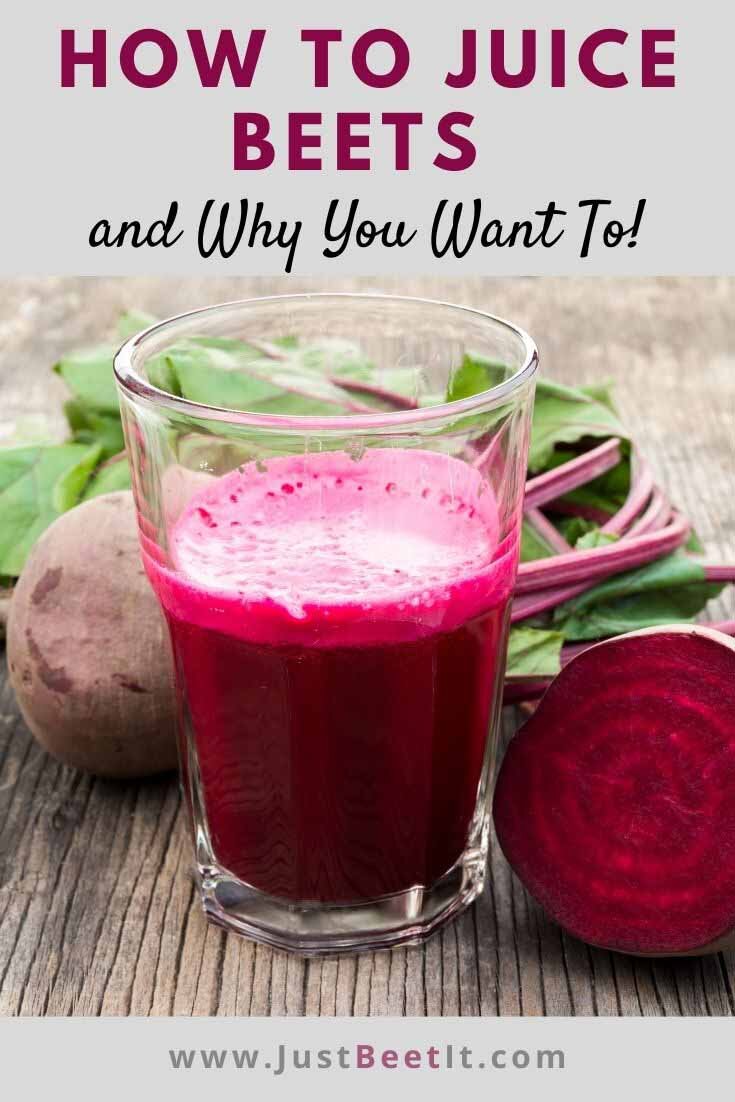
What Happens If You Eat Beetroot For 7 Days? A Real-World Look
You’ve seen the headlines. Beetroot lowers blood pressure, boosts stamina, and turns your urine a shocking shade of pink. But what actually happens if you eat it every day for a solid week? I dug into the research and tried it myself with a group of friends who were willing guinea pigs. Here’s what you’ll walk away knowing: the real timeline of changes in your body, which claims hold up under scrutiny, and exactly how much to eat without going overboard.
If you are the kind of person who loves asking “what if” about everyday foods, you might enjoy the book What If… It’s a fun read that tackles similar curiosities with a mix of science and humor. Think of it as a companion for the curious mind.

What Actually Changes Inside You – Day by Day
Beetroot is packed with inorganic nitrates. Your body converts those into nitric oxide, a molecule that relaxes blood vessels. That’s the main mechanism behind most benefits. But the timeline matters.
Days 1–2: Within 2 to 3 hours of your first serving, blood nitrate levels spike. You may notice a slight drop in blood pressure – around 5 to 10 mmHg systolic for some people, though not everyone responds the same. The effect peaks around 2–3 hours after eating and fades by 24 hours.
Days 3–4: Your gut bacteria start adapting. Beetroot also contains betalains (the pigments) and fiber. By day three, bowel movements often become more regular, especially if you were eating a low-fiber diet before. Some people report looser stools – that’s the fiber and sorbitol doing its thing.
Days 5–7: If you are an athlete or someone who exercises, you might feel a difference in your endurance. Studies show that nitrate supplementation can improve time to exhaustion by 15 to 25 percent during high-intensity efforts. With daily consumption, your body builds up a steady nitrate pool, and the effect becomes more consistent. Not a massive boost, but noticeable if you track your performance.
Blood Pressure: How Much of a Drop Should You Expect?
This is the most well-studied benefit. A meta-analysis of randomized trials found that beetroot juice lowered systolic blood pressure by an average of 4.4 mmHg. That’s modest but meaningful – comparable to some lifestyle changes.
Here is where it gets personal. People with higher starting blood pressure see a bigger drop. Someone with 140/90 might drop 8–10 mmHg systolic, while someone with 120/80 might see only 2–3. The effect also depends on how much nitrate your body converts. Genetics, oral bacteria (those little guys in your mouth activate the nitrate), and even mouthwash use affect the conversion. Using mouthwash right after eating beetroot can blunt the benefit.
One honest caveat: the drop is temporary. It lasts several hours, not all day. Eating it once a day keeps a modest trough, but for 24-hour coverage you would need more frequent intake – which is not practical or pleasant.
Digestion, Urine Color, and the Beetroot Belly
Let’s talk about the two things nobody warns you about: red pee and gas.
Beeturia – red or pink urine after eating beetroot – affects about 10 to 14 percent of people. It is harmless. It happens when the betalain pigments pass through your kidneys unchanged. The color can range from pale pink to alarming burgundy. Your stool may also turn red, which spooks a lot of people. If you see red in the toilet bowl and have no other symptoms, it’s almost certainly the beets.
Gas and bloating are common, especially if you eat more than one medium beetroot a day. The fiber and raffinose sugars ferment in the colon. If you have IBS or a sensitive gut, start with half a beetroot and see how you feel. Cooking beets reduces the raffinose content a bit, so roasted beets are often easier on the stomach than raw grated ones.
Related reading: For home cooks who want to process fresh beets, a reliable food processor for emulsifying can also handle grating or slicing beets in seconds. Save your knuckles.
Which Form of Beetroot Works Best? A Comparison
| Form | Nitrate Content (approx.) | Best For | Downsides |
|---|---|---|---|
| Raw, whole | ~110 mg per 100 g | Maximum nitrate retention; no heat loss | Hard to eat raw; takes time to prepare |
| Roasted | ~90 mg per 100 g | Easier digestion; sweeter taste | Some nitrate loss during cooking (10–20%) |
| Juice (fresh) | ~250 mg per 250 ml (from ~2–3 beets) | Fast absorption; convenient for pre-workout | Low fiber; stains everything |
| Pickled | ~60–80 mg per 100 g | Long shelf life; tangy flavor | Added sodium and sugar; lower nitrate |
| Powdered supplement | Varies widely (check label) | Portable; consistent dose | Often pricey; may lack other beet nutrients |
My opinion: fresh raw beets, grated into salad or juiced, give you the highest nitrate bang. But roasted beets are far more enjoyable to eat daily. If you juice, drink it within 30 minutes – nitrate content degrades quickly once exposed to air.
Common Questions People Ask
Is it safe to eat beetroot every day for a week?
For most healthy adults, yes. One medium beetroot (about 100–150 g) per day is safe. The upper limit for dietary nitrate from vegetables is roughly 10–15 mg per kg of body weight per day, which is hard to hit from beets alone. People with kidney stones should be cautious – beetroot is high in oxalates, which can contribute to calcium oxalate stones. If you have a history of stones, talk to your doctor first.
Will my urine turn red right away?
Not for everyone. Beeturia hits about 1 in 7 people. If you are one of them, the color usually appears within 2 to 8 hours after eating. It goes away after you stop eating beets. No cause for alarm.
How much beetroot should I eat to lower blood pressure?
Studies that show blood pressure drops use roughly 250–500 ml of beetroot juice (equivalent to 2–3 medium beets) or about 100–200 g of cooked beets daily. That’s the dose that produces a measurable effect. Less than that may not move the needle much.
Does cooking destroy the benefits?
Partial destruction, yes. Heat above 85°C (185°F) can degrade nitrates and betalains. Boiling leaches the most – up to 40% of nitrates go into the water. Steaming or roasting causes about 10–20% loss. Raw is best for nitrate content, but many people find raw beets tough to digest. A good compromise: lightly steam or roast until just tender.
Can I get the same effect from beetroot powder?
You can, but quality varies. Some powders are made from dehydrated juice and retain similar nitrate levels. Others use beet pulp and have less. The form (juice vs. powder) does not change the body’s conversion, but you lose the fiber and bulk of whole beets. If convenience is your thing, go for a pure juice powder with no additives.
What I’d Tell a Friend Who Wants to Try It
- Start with half a beetroot per day if you have a sensitive stomach. Work up to one whole beet over three days.
- Roast or grate it – raw whole beets are a misery to eat. Roasted beats taste like candy.
- Don’t expect a blood pressure miracle if you already have healthy numbers. The benefit is modest and temporary.
- Time it around exercise if endurance matters to you. Eat or drink it 2–3 hours before your workout for peak nitrate conversion.
- Watch out for kidney stone risk if you are prone to oxalate stones. Beets are high in oxalates.
- Grind your own beets for homemade dog food? Sure, they’re safe for dogs in small amounts. A meat grinder for home use makes quick work of prepping veggies for your pup.
- Alternate sources – spinach, arugula, and celery also provide dietary nitrates. You don’t have to eat beets every single day.