
What Is a Centrifugal Juicer? How It Works (and When You Should Buy One)
You’ve seen the videos: someone shoves a whole apple into a machine, and a second later, bright juice pours into a glass. That’s a centrifugal juicer. It’s the most common type of juicer on the market, and for good reason — it’s fast, cheap, and dead simple to use. But speed comes with trade-offs, and not everyone walks away happy with the results.
This article explains exactly what a centrifugal juicer does, how it differs from other juicer types, and whether it’s the right choice for your kitchen. I’ll walk through the mechanics, the real-world performance numbers, and the situations where a centrifugal juicer shines — or falls flat. By the end, you’ll know if it’s worth your money.
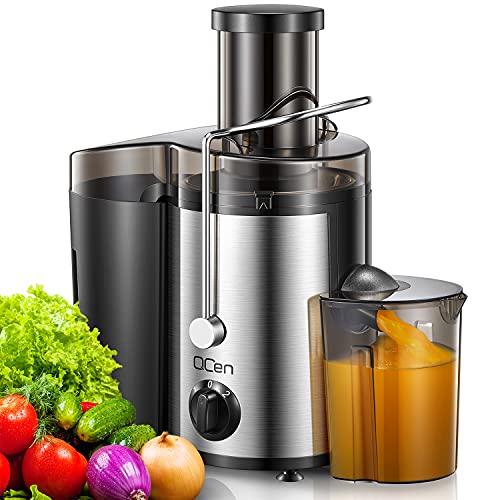
QCen
QCen Juicer Machine 500W Centrifugal Juicer with Extra Wide Feed Chute
- Upgraded 500W Motor - Centrifugal juicer machine with upgraded 500W high speed motor, more efficient and powerful, last much longe…
- Dual Speed Juicer Machine - Juicer Machine with 2 speed control(12000-18000 RPM), "1" low speed for soft fruits and veg, such as w…
- Centrifugal Juicer with Wide Mouth - Centrifugal juicers have a wide mouth to feed your fruits and veggies into, Save your time on…
A model like the Qcen Juicer Machine is a good example of what a modern centrifugal juicer offers: a 500W motor, a 3-inch wide feed chute, and two speed settings. It’s not the most expensive unit out there, but it covers the basics well — I’ll refer back to it as we go.
How a Centrifugal Juicer Actually Works
Inside every centrifugal juicer sits a flat, circular blade at the bottom of a spinning basket. The blade shreds fruits and vegetables into a pulp. Then the basket spins at high speed — typically 12,000 to 18,000 RPM — throwing the pulp against a mesh screen. Centrifugal force pushes the juice through the screen and into an outer chamber, while the pulp collects in a separate container.
Think of it like a salad spinner combined with a grater. The spinning action is what separates the liquid from the solid. This is different from a masticating juicer, which crushes and presses the produce slowly. Centrifugal juicers are fast — you can juice an apple in about 3 seconds. But that speed creates heat and introduces air, which can degrade some nutrients and oxidize the juice faster.
Most centrifugal juicers have two speed settings. Low speed (around 12,000 RPM) works for soft fruits like watermelon, strawberries, and oranges. High speed (around 18,000 RPM) handles dense items like carrots, beets, and apples. Using the wrong speed can give you watery juice or a clogged machine.
What a Centrifugal Juicer Does Well (and Where It Falls Short)
The Good
Speed is the biggest advantage. You can prep a full batch of juice in under five minutes. The wide feed chute on many models — like the 3-inch opening on the Qcen — means you don’t have to chop apples or carrots into tiny sticks. A whole apple fits, and that saves serious time.
Cleaning is also easier than most people expect. Most parts are dishwasher-safe, and the detachable design of many centrifugal juicers lets you rinse the filter basket under running water in about 30 seconds. The Qcen’s locking system arm adds safety — the machine won’t run without the cover secured.
Price is another win. You can find a decent centrifugal juicer for under $60. That’s a fraction of what a quality masticating juicer costs.
The Bad
Juice yield is lower than with a masticating juicer. Centrifugal models leave more moisture in the pulp. Depending on what you’re juicing, you might get 15-25% less juice compared to a slow juicer. For leafy greens like kale or spinach, a centrifugal juicer is almost useless — the greens just get whipped around without releasing much liquid.
Oxidation happens fast. The spinning action introduces air bubbles, and the juice can separate and darken within 30 minutes. If you want to store juice for a day or two, a centrifugal juicer isn’t your friend.
Noise is real. At 18,000 RPM, these machines are loud. Not deafening, but loud enough that you won’t want to use it early in the morning while others sleep.
Centrifugal vs. Masticating: Which One Should You Pick?
This is the most common question I hear. The short answer: if you juice mostly hard fruits and vegetables, want speed, and don’t mind drinking juice immediately, get a centrifugal juicer. If you juice leafy greens frequently, want maximum yield, or plan to store juice, get a masticating juicer.
Here’s a side-by-side comparison to help you decide.
| Factor | Centrifugal | Masticating |
|---|---|---|
| Juice speed | 3–5 seconds per apple | 10–20 seconds per apple |
| Juice yield from hard produce | 70–85% | 85–95% |
| Leafy green performance | Poor | Excellent |
| Juice shelf life | 24–48 hours | 48–72 hours |
| Noise level | Loud (80–90 dB) | Quiet (40–60 dB) |
| Price range | $50–$150 | $100–$400+ |
| Ease of cleaning | Easy (few parts) | Moderate (more parts) |
If you’re curious about the specific differences between these two technologies, check out our centrifugal vs. cold press comparison for a deeper look.
Tips for Getting the Most Out of a Centrifugal Juicer
Even with its limitations, a centrifugal juicer can deliver great results if you work with it, not against it. Here’s what I’ve learned from testing several models.
- Cut produce into chunks that fit the chute, but don’t go too small. Tiny pieces can slip past the blade without being shredded. Aim for 1-to-2-inch pieces for most fruits.
- Alternate hard and soft ingredients. If you’re juicing a mix of carrots and oranges, push a carrot piece first, then an orange segment. This helps push the pulp through and prevents clogs.
- Don’t overload the pulp container. Most centrifugal juicers have a small pulp bin. Stop and empty it halfway through if you’re making a large batch. A full pulp bin reduces spinning efficiency and lowers yield.
- Use the speed setting correctly. Soft items on low, hard items on high. Check the manual — some machines also have a ‘turbo’ button for tough items.
- Drink the juice within 15–20 minutes. That’s when it tastes best and has the most nutrients. If you must store it, pour into an airtight glass jar and fill it to the brim to minimize air contact.
For more recommendations on specific centrifugal models, see our best centrifugal juicer guide.
Frequently Asked Questions About Centrifugal Juicers
Can a centrifugal juicer handle leafy greens like kale or spinach?
Sort of, but not well. Centrifugal juicers rely on centrifugal force to fling juice through a mesh screen. Leafy greens are light and dry, so they tend to get stuck around the blade and produce very little juice. If you juice greens often, a masticating juicer is a much better investment. You can still juice a handful of spinach mixed with cucumber or apple for better results, but expect lower yield.
Is a centrifugal juicer easy to clean?
Most models are. The Qcen juicer, for example, has a detachable filter basket and a pulp container that rinse clean under running water. A small brush helps with the mesh screen if pulp gets stuck. Expect 2–3 minutes of cleaning per use — faster if you rinse immediately after juicing. The machine’s locking arm makes disassembly safe and quick.
Does a centrifugal juicer destroy nutrients?
It does reduce some heat-sensitive vitamins, but not as much as you might think. The heat generated from high-speed spinning is minimal — maybe a few degrees above room temperature. The bigger issue is oxidation from introduced air. Vitamin C and certain antioxidants degrade faster in contact with oxygen. If you drink the juice right away, nutrient loss is negligible. Storing it for hours is where you lose value.
How loud is a centrifugal juicer?
Loud enough to bother others. Most centrifugal juicers run between 80 and 90 decibels at high speed — similar to a blender or a lawnmower. The Qcen’s 500W motor is about average in this regard. If noise is a concern, look for models with rubber feet or a heavier base that absorbs vibration. A masticating juicer is significantly quieter.
What fruits and vegetables work best in a centrifugal juicer?
Hard, high-water-content produce is ideal. Apples, carrots, celery, cucumbers, beets, pears, and melons all juice beautifully. Soft fruits like strawberries and oranges work on low speed, but they produce more foam. Avoid items with very low water content, like bananas, avocados, or dates — these will just gum up the machine. The Qcen manual explicitly warns against juicing things with low water content.
So, Should You Buy a Centrifugal Juicer?
Here’s the bottom line — no fluff.
- Buy one if you want fast, affordable juicing for everyday fruits and vegetables.
- Buy one if you’re new to juicing and don’t want to spend $200+ on your first machine.
- Buy one if you drink juice immediately and don’t need to store it.
- Skip it if you juice kale, wheatgrass, or spinach multiple times a week.
- Skip it if you need maximum yield from expensive produce.
- Skip it if you’re sensitive to noise and plan to juice early mornings.
- If you’re on the fence, start with a centrifugal juicer like the Qcen — it’s cheap enough that you can upgrade later if your habits change.
For a closer look at one of the most popular centrifugal models on the market, read our Breville Juice Fountain Cold review — it’s a solid baseline for comparison.