
How to Make Celery Juice in a Blender: Easy and Refreshing Recipe
You bought a beautiful bunch of celery with visions of that vibrant green juice everyone talks about. Then you open the cabinet and realize you don’t own a juicer. Maybe you have a blender, but you’ve heard conflicting advice — some say it doesn’t work, others say it’s fine.
Don’t worry. You can make celery juice in a blender just as effectively. It takes a couple extra steps, but the result is fresh, flavorful, and every bit as good as what comes out of a dedicated juicer. This guide lays out the exact method — from washing and cutting to straining — so you get a smooth, pulp-free glass every time.
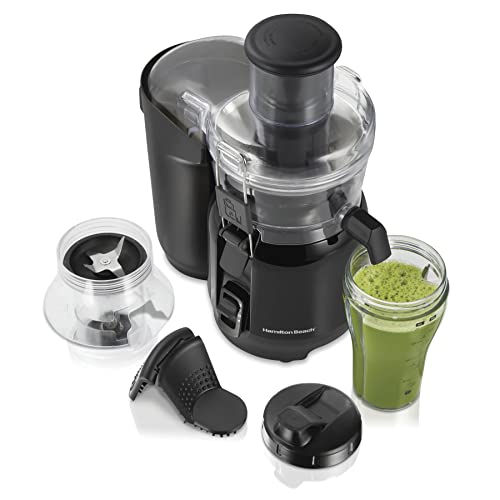
Hamilton Beach
Hamilton Beach Juice & Blend 2-in-1 Juicer…
2-IN-1 JUICER AND BLENDER. Juice and blend a variety of drinks with one space-saving juicer machine. Start by making juice, then blend with other ingredients to make smoothies, protein shakes, cocktails or slushies.
See on AmazonIf you find yourself making juice regularly, an appliance that handles both tasks saves time. The juicer and blender combo from Hamilton Beach lets you juice directly into the 20 oz. personal blender jar, then blend in other ingredients without transferring. That means less cleanup and more flexibility.
Why Make Celery Juice in a Blender?
A blender won’t separate juice from pulp the way a centrifugal or masticating juicer does. That’s fine. You get more fiber if you drink it unstrained, and if you strain it, the juice is nearly identical to juicer output. The trade-off: you need to add a little water to help the blades move and then strain the pulp.
Another reason is cost. A decent blender costs less than a good juicer. And you already own one, so the barrier to entry is zero. Blenders also handle leafy greens, frozen fruit, and tough vegetables better than many entry-level juicers.
The downside? More cleanup (a blender jar plus a strainer) and slightly lower yield per pound of celery. But the convenience of using what you already have often outweighs that.
The Right Way to Prep Celery for Blending
Proper prep makes the difference between a smooth blend and a motor-straining mess. Here’s what works.
Wash thoroughly. Celery hides dirt in its ridges. Run each stalk under cold water and scrub with a vegetable brush. Dry with a clean towel.
Cut into pieces. Slice stalks into 1-inch segments. Smaller chunks blend faster and put less stress on your blender. Leave the leaves on — they add flavor and nutrients.
Add liquid. Blenders need liquid to create a vortex. For two packed cups of celery pieces, start with ½ cup of cold water. If your blender struggles, add another ¼ cup. More water makes straining easier but dilutes flavor. Find the ratio that works for your machine.
Ice is optional. A couple ice cubes keep the juice cold and help the blender whip air into the mixture for a lighter texture. Not necessary, but nice on a hot morning.
Step-by-Step Blending and Straining
Here’s the actual process. It takes about 5 minutes from start to glass.
- Blend on high. Add prepared celery and water to the blender jar. Start on low, then ramp to high for 30–60 seconds. The mixture should look slushy and mostly broken down. If you hear the motor straining, pause, stir with a long spoon, and blend again.
- Choose your strainer. A nut milk bag gives the clearest juice with the most yield. A fine-mesh sieve works well too, but you’ll need a spoon to press the pulp. A clean cotton napkin or cheesecloth (double layer) also does the job.
- Strain over a bowl. Pour the blended mixture into your strainer. Let gravity do the work for a minute, then press or squeeze to extract every drop. Discard the dry pulp or save it for another use (see below).
- Optionally, re-blend the pulp. If you want maximum yield, return the leftover pulp to the blender with ¼ cup fresh water, blend 10 seconds, and strain again. You’ll get another ounce or two.
That’s all. Pour into a glass and drink immediately. Fresh celery juice oxidizes fast, so it’s best consumed within 15 minutes.
How to Get the Most Juice Out of Your Celery
Even with perfect technique, a blender will leave more juice in the pulp than a juicer. These tricks close the gap.
Use a high-speed blender. Machines with motors over 1000 watts break down fibrous celery more completely. If you’re using a lower-power blender, blend longer and shake the jar halfway through. The best blender for celery handles this effortlessly, but any decent blender will work with a little patience.
Cut celery with the grain. Slice stalks lengthwise into thinner strips before cross-cutting into 1-inch pieces. This exposes more surface area to the blades and produces a finer blend.
Save the pulp for stock or baking. Don’t throw it away. Celery pulp adds flavor to soups, stews, and vegetable stocks. Freeze it in a bag and toss it into the pot when you’re making broth. You can also dehydrate it and grind into celery powder for seasoning.
| Aspect | Blender (with straining) | Dedicated Juicer |
|---|---|---|
| Yield per pound | ~6–7 oz (85–90% of juicer) | ~7–8 oz |
| Texture | Slightly pulpy unless strained well | Smooth, clear juice |
| Cleanup time | 5 minutes (blender + strainer) | 8–10 minutes (multiple parts) |
| Cost | Usually already own one | $50–$300 extra |
| Fiber content | Can drink unstrained for full fiber | Very low fiber |
Do I need to peel celery before juicing?
No. The skin is thin and edible. Just wash the stalks well. Peeling removes some fiber and flavor, so it’s not worth the effort.
Can I use frozen celery?
Yes, but thaw it first. Frozen celery releases water as it thaws, which helps blending, but the cell walls break down and the juice will be slightly less crisp. Works fine for smoothies or when you’re in a pinch.
How long does homemade celery juice last?
Drink it within 24 hours, stored in a sealed glass jar in the fridge. After that, the color turns brown and the taste becomes bitter. Freezing is not recommended — the texture changes and nutrients degrade.
Can I add other vegetables or fruits?
Sure. Cucumber, apple, lemon, or ginger all pair well. Just keep in mind that adding sugar-heavy fruits changes the calorie and nutrient profile. If you’re drinking celery juice for its reputed health benefits, stick to straight celery or add only low-sugar ingredients like cucumber or lemon.
Why is my celery juice foamy?
Foam comes from aeration during blending. It’s harmless. Let the juice sit for a minute or stir it with a spoon — the foam will settle. You can also skim it off if you prefer a clearer drink.
What You Can Do Right Now
- Wash and cut celery into 1-inch pieces before you need them — they store in a sealed bag for up to 3 days.
- Start with a 2:1 ratio of celery to water, then adjust based on your blender’s power and your taste.
- Strain using a nut milk bag for the highest yield; a fine sieve works well with a little muscle.
- Drink fresh juice within 15 minutes for the best flavor and nutrient retention.
- Save the pulp for soup stock or freeze it for later use — don’t waste it.
- If you plan to make juice more than once a week, consider a dedicated appliance like the Hamilton Beach Juice & Blend 2-in-1 that combines both functions for less hassle.
- Experiment with adding a pinch of salt or a squeeze of lemon to cut celery’s natural bitterness.
