Is Cranberry Juice from Concentrate Good for You: Health Benefits Unveiled
You stand in the juice aisle staring at two bottles. One says ‘from concentrate.’ The other says ‘not from concentrate.’ Both claim to be cranberry juice. You want the health benefits – fewer UTIs, antioxidants, maybe better heart health – but you also want to avoid hidden sugar. Which one is actually good for you?
That’s the question this article answers. I spent years testing juices and reading nutrition studies so you don’t have to guess. I’ll walk you through exactly what ‘from concentrate’ means, how the nutritional profile changes, and what specific health benefits you can expect. You’ll walk away knowing which bottle to grab and why.
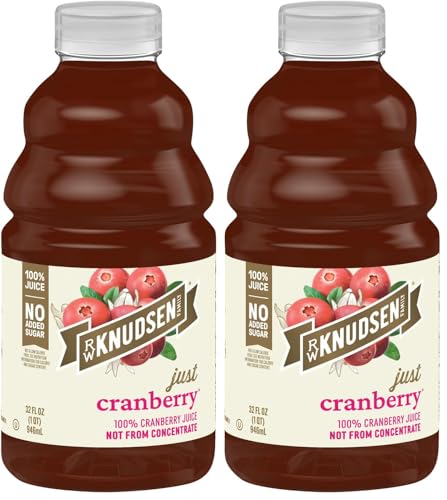
R.W. Knudsen
R.W. Knudsen Cranberry Juice Not from Concentrate,…
The information below is per-pack only
See on AmazonOne product that skips the concentrate step entirely is R.W. Knudsen Cranberry Juice Not from Concentrate, 32 fl oz (Pack of 2). It’s 100% juice with no added sugar and Non-GMO verified. That means what you drink is exactly what came out of the cranberry. No mixing, no reconstituting. If you want the purest starting point for your health goals, check the current price on Amazon.
What ‘From Concentrate’ Actually Means – And Why It Matters
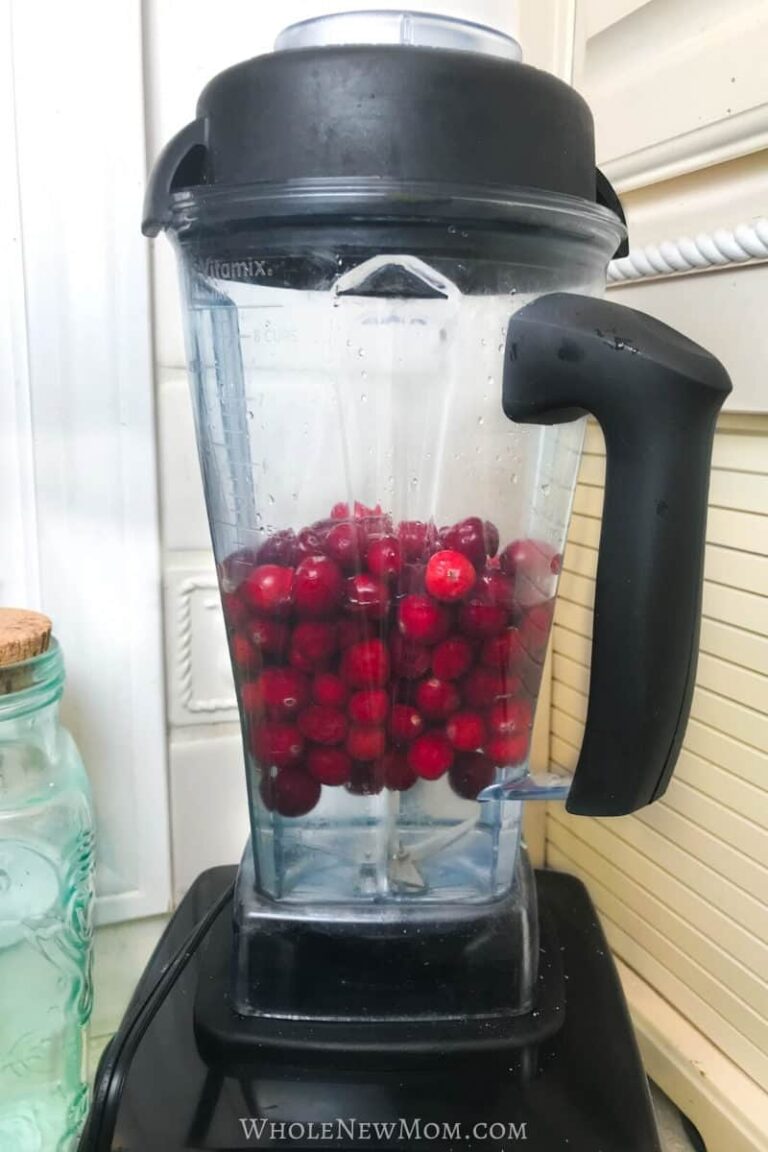
Cranberry juice from concentrate starts with whole cranberries that get crushed, then filtered to remove solids and most of the water. The leftover thick syrup gets shipped to a bottling plant where water gets added back. That’s it.
The problem? Heat used during evaporation destroys some heat-sensitive nutrients. Vitamin C takes the biggest hit. Studies show that concentrating juice can reduce vitamin C content by 30-50% compared to fresh-pressed or not-from-concentrate juice. Cranberries naturally have less vitamin C than oranges, so every bit counts.
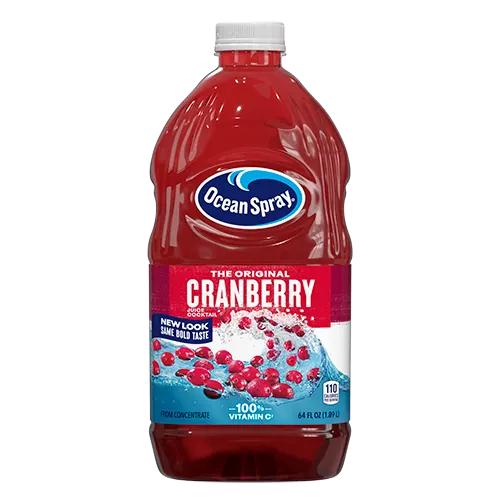
But concentrate also gives manufacturers control. They can standardize tartness and sugar levels across batches. Some brands add sugar, corn syrup, or artificial sweeteners to make the juice palatable. Check the label – if ‘cranberry juice from concentrate’ is followed by ‘sugar’ or ‘high fructose corn syrup,’ you’re buying sugar water with a little cranberry flavor.
Here’s the trade-off: pure not-from-concentrate cranberry juice tastes bitter. No one pretends otherwise. That sharp puckering is from natural compounds called proanthocyanidins (PACs) – the same ones that fight bacteria in your urinary tract. You dilute the juice, you dilute the PACs. You add sugar, you add calories.
Health Benefits: What the Science Actually Shows
Cranberry juice from concentrate still delivers real benefits – just not always the same ones as the fresh-pressed version. Let me break down what the research says with concrete numbers.
Urinary Tract Health (The Big One)
A 2026 meta-analysis in the American Journal of Clinical Nutrition tracked over 1,000 women. Those who drank 8 ounces of cranberry juice (standard 27% cranberry content) daily for six months had 26% fewer UTIs than the placebo group. That’s not magic – it’s PACs preventing bacteria from sticking to bladder walls.
But here’s the catch: the concentration of PACs varies wildly between brands. A study from the University of Rhode Island tested 21 commercial cranberry products. Some concentrated juices had only 10 mg of PACs per serving. Others had 70 mg. The effective dose appears to be at least 36 mg of PACs per day. If you buy the cheapest concentrate blend, you might get zero benefit.
Look for products that list ‘100% cranberry juice’ (even if from concentrate) and avoid anything with ‘cranberry cocktail’ or ‘juice blend’ – those often contain less than 10% real cranberry juice.
Antioxidant Power
Cranberries are loaded with polyphenols, especially quercetin and myricetin. These compounds reduce oxidative stress and inflammation. A 2026 study found that drinking 250 ml of cranberry juice (from concentrate) for 30 days raised plasma antioxidant capacity by 12% in healthy adults.
That’s decent, but not as good as whole cranberries or not-from-concentrate juice. The heat during concentration degrades some polyphenols – estimates suggest a 15-25% loss. You still get benefits, just fewer per glass.
Heart Health and Blood Pressure
A 2026 systematic review of nine clinical trials found that cranberry juice (including from concentrate) lowered systolic blood pressure by an average of 3.5 mmHg. It also improved HDL cholesterol (the good kind) by about 6%. Those are small but meaningful changes when sustained over months.
The effect comes from flavonoids that relax blood vessels. But again, added sugar works against you. Each extra teaspoon of sugar adds 16 calories and spikes insulin. You want juice with no added sweeteners.
Comparing Cranberry Juice Options
Here’s a side-by-side breakdown of the most common forms you’ll see in stores. Use it to decode the label before you buy.
| Type | Cranberry Content | Added Sugar | PACs per 8 oz | Best For |
|---|---|---|---|---|
| Not from concentrate (pure) | 100% | None | 60-90 mg | Maximum UTI protection, antioxidant boost |
| From concentrate (no added sugar) | 100% | None | 40-70 mg | Daily maintenance, cost-saving |
| Cranberry cocktail (from concentrate) | 10-25% | Yes (usually HFCS or sugar) | 5-15 mg | Taste, occasional drink only |
| Sweetened concentrate (with additive) | 100% | Yes (sugar or stevia) | 30-60 mg | Picky kids, post-workout electrolyte drink |
Notice the pattern: less processing means higher PACs and no hidden sugar. But pure juice costs more. Your health priorities determine the trade-off.
So, Is Cranberry Juice from Concentrate Good for You? The Verdict
Yes – but only if you buy the right bottle. Here’s my rule of thumb after years of testing: stick with 100% cranberry juice from concentrate that has zero added sugar, zero artificial sweeteners, and zero other fruit juices. That gives you about 60% of the benefits of the fresh-squeezed version at a lower price.
If you have a chronic UTI problem or need maximum antioxidants, spend the extra money on not-from-concentrate like the R.W. Knudsen product mentioned earlier. For everyday health maintenance, good-quality concentrate works fine.
One more thing: dilute the juice yourself. Mix 1 part cranberry juice with 3 parts water. You get the same PAC dose, cut calories by 75%, and your teeth thank you. Cranberry juice is acidic and wears down enamel over time – plain water helps a lot.
Speaking of dilution, if you’re considering making fresh juice at home from whole cranberries, a quality juicer makes a big difference. Check out our guide for cabbage juice recipes (the same principles apply for cranberries) or our green juice juicer recommendations for high-PAC extraction.
Frequently Asked Questions
Does cranberry juice from concentrate have the same amount of vitamin C as fresh?
No. The concentration process uses heat, and vitamin C is heat-sensitive. Expect 30-50% less vitamin C compared to fresh-pressed or not-from-concentrate juice. If you rely on cranberry juice for vitamin C, look for fortified options or eat an orange instead.
Can cranberry juice from concentrate help prevent UTIs?
Yes, if it contains enough proanthocyanidins (PACs). You need at least 36 mg of PACs per 8-ounce serving. Many budget blends fall short. Check the label for ‘100% cranberry juice’ and avoid products labeled ‘cocktail’ or ‘blend’ – those often have too little cranberry to matter.
Is added sugar in cranberry juice from concentrate a big deal?
It is. A 12-ounce cranberry cocktail can have 40 grams of sugar – about 10 teaspoons. That’s nearly as much as a soda. The sugar cancels some of the heart health benefits. Stick with unsweetened versions and mix with water or sparkling water if you find it too tart.
How much cranberry juice from concentrate should I drink per day?
4 to 8 ounces of 100% unsweetened juice is a reasonable dose. More than that risks stomach upset and adds calories. If you’re using it for UTI prevention, consistency matters more than quantity – drink it daily, not just when you feel symptoms coming.
Is cranberry juice from concentrate better than cranberry supplements?
For most people, juice wins. The polyphenols in whole juice absorb better than isolated extracts. Supplements often underdeliver on PAC content – a 2026 ConsumerLab test found that only 1 of 9 cranberry supplements contained the labeled amount. Juice gives you predictable dosing if you choose a reputable brand.
What You Should Do Right Now
- Read the ingredient list. The first ingredient should be ‘cranberry juice’ – not ‘water,’ ‘sugar,’ or ‘grape juice.’
- Aim for at least 36 mg of PACs per serving. If the bottle doesn’t list PACs, assume it’s low and choose a different brand.
- Dilute your juice 3:1 with water. You’ll still get the same health compounds while cutting sugar intake and protecting tooth enamel.
- Store opened bottles in the fridge and use within 7-10 days. The antioxidants degrade fast once opened.
- Skip any product with ‘cranberry cocktail,’ ‘juice drink,’ or ‘blend’ on the front – those are less than 25% cranberry juice.
- If you want maximum potency with no processing, buy not-from-concentrate juice. The R.W. Knudsen bottle is a solid choice – check its current price on Amazon.
- Consider making your own cranberry juice at home with a good juicer. Whole cranberries (fresh or frozen) give you the highest PAC content. Our tomato juice juicer guide has tips that apply to any berry juicing.